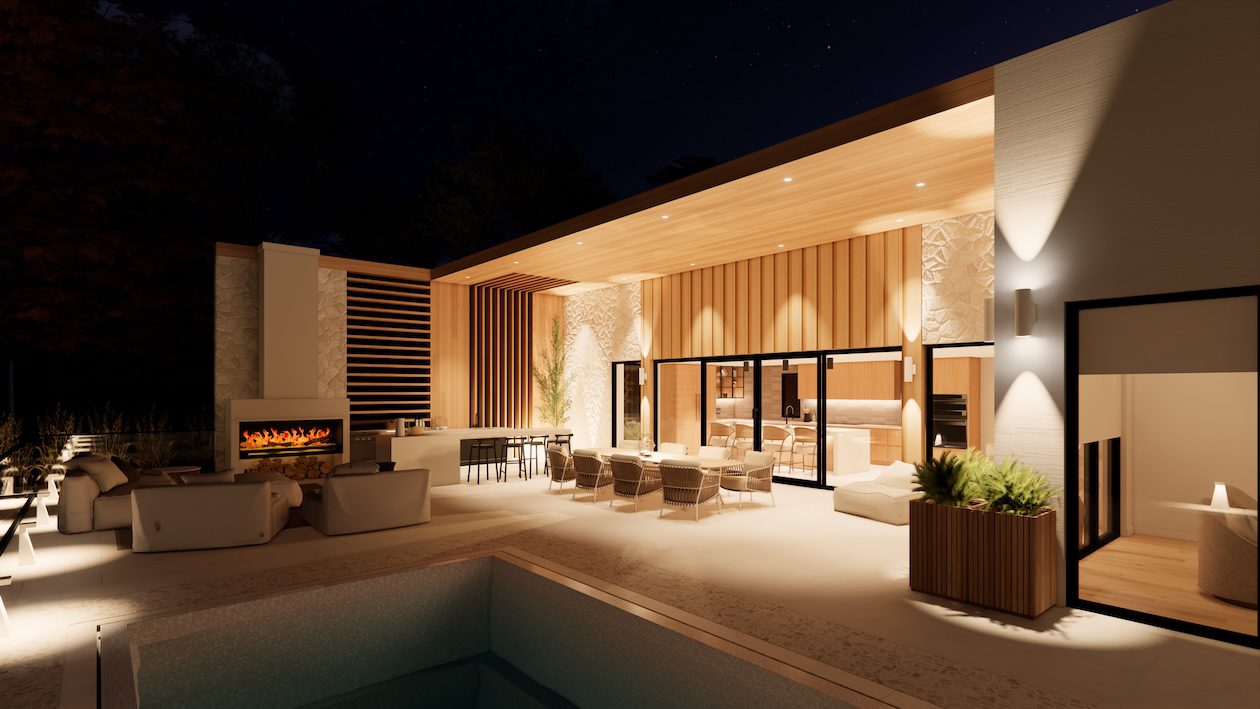
Outdoor spaces in Southern California are no longer treated as afterthoughts. For many homeowners, the backyard has become a true extension of the home, designed with the same intention, comfort, and visual cohesion as interior living spaces, reflecting many of the stylish outdoor living trends shaping coastal homes today.
Rather than a simple patio set or a few lounge chairs, today’s outdoor spaces function as complete rooms. They support how people actually live: entertaining friends, relaxing with family, and enjoying the coastal climate year-round. The difference lies in design. An outdoor room is planned, layered, and furnished with purpose.
This guide walks through how to design outdoor rooms that feel just as inviting and livable as the spaces inside your home.
What Defines an Outdoor Room
An outdoor room is not defined by square footage or luxury finishes alone. It is defined by how clearly the space is organized and how comfortably it functions.
Like interior rooms, outdoor spaces benefit from having a clear purpose. A lounge area invites conversation. A dining zone supports shared meals. A quiet corner encourages reading or unwinding. When each area has a role, the space feels intentional rather than improvised.
The key distinction is this: outdoor furniture fills space, but outdoor design shapes how the space is used. When zones are thoughtfully arranged and anchored by the right elements, the result feels cohesive and complete.
Start With Strong Anchor Elements
Every successful outdoor room begins with a foundation that defines its layout.
Fire pits often serve as the natural focal point. They provide warmth, visual interest, and a reason for people to gather, especially during cooler coastal evenings. Positioned correctly, a fire pit anchors the seating arrangement and gives the space a clear center.
Sectionals and conversation seating establish flow and scale. L-shaped or modular configurations help frame the room while keeping the layout flexible. These arrangements encourage face-to-face interaction and make the space feel welcoming rather than formal.
Outdoor rugs play a subtle but important role. They visually ground furniture groupings and add softness underfoot, reinforcing the idea that the space functions like a living room rather than a patio.
In some settings, architectural elements such as pergolas, partial walls, or ceiling treatments add definition. These features help create a sense of enclosure without sacrificing openness, making the space feel protected and purposeful.
 Designing Comfort Through Cushions and Performance Fabrics
 Designing Comfort Through Cushions and Performance Fabrics
Comfort is what ultimately determines whether an outdoor room is used regularly or admired from a distance.
In coastal environments, materials matter. Performance fabrics are essential for withstanding sun exposure, salt air, and everyday wear while maintaining their appearance. When chosen correctly, these fabrics allow outdoor cushions to feel just as plush and inviting as their indoor counterparts.
Layering is just as important outdoors as it is inside. Cushions with generous depth, paired with thoughtfully selected pillows, create visual interest and enhance comfort. Coordinated colors and patterns help bridge the transition between interior and exterior spaces, making the outdoor room feel like a natural continuation of the home.
Seasonal updates can refresh the space without requiring a full redesign. Swapping accent pillows, adding covers, or introducing new textures allows the room to evolve throughout the year.
Furnishing the Space Like an Interior, Not a Patio
The most successful outdoor rooms borrow heavily from interior design principles.
Side tables, coffee tables, and ottomans provide surfaces for drinks, books, or serving pieces, encouraging people to linger. Multi-functional furniture adds flexibility, supporting both everyday use and entertaining.
Lighting is another defining element. Rather than relying solely on overhead fixtures, layered lighting creates warmth and ambiance. Outdoor-rated lamps, sconces, and subtle accent lighting help the space feel usable well into the evening.
Decorative elements complete the picture. Planters, pottery, and accessories should echo the style of the home’s interior, reinforcing continuity. Thoughtful storage solutions help protect textiles and accessories, keeping the space organized and ready to use.
Creating Seamless Flow From Indoors to Outdoors
A strong indoor-outdoor connection is built on visual and material consistency.
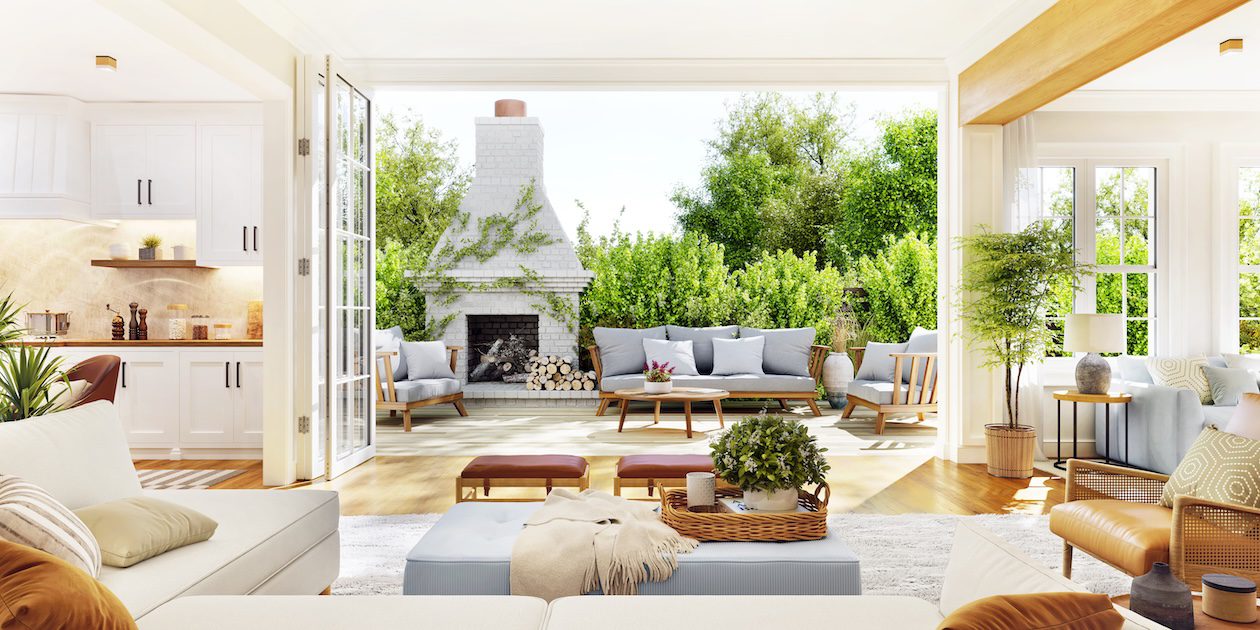
Using similar color palettes, finishes, and textures helps the spaces relate to one another. When furniture layouts align with interior sightlines, the transition feels effortless rather than abrupt.
Sliding doors or large openings play a significant role, but design details carry the experience further. Drapery, soft partitions, or repeated materials can subtly extend the interior aesthetic outward, reinforcing the feeling of one continuous living environment.
Why Customization Makes the Difference
Customization is what elevates an outdoor room from standard to exceptional.
Off-the-shelf furniture often forces homeowners to compromise on fit, comfort, or durability. Custom-designed cushions and sectionals allow layouts to be tailored to the space, ensuring proper proportions and optimal flow.
Working with a design team brings clarity to the process. Fabric selection, layout planning, and durability considerations are addressed together, especially important in coastal environments where humidity and salt air can impact performance, as we’ve outlined in our guide to humidity-smart, mold-resistant outdoor fabrics. The outcome is an outdoor room designed for how the homeowner actually lives, not a one-size-fits-all solution.
Bringing It All Together
Designing an outdoor room that truly feels like an interior requires more than attractive furniture. It takes expert space planning, materials that perform in coastal conditions, and custom solutions that balance comfort, durability, and design integrity.
That’s where WRF comes in. From custom outdoor cushions and tailored sectionals to performance fabric guidance and full space planning, WRF helps Southern California homeowners design outdoor rooms that are built to live in, not just look at. Every detail is considered, from layout and scale to fabric performance in sun, humidity, and salt air.
If you’re ready to transform your outdoor space into a refined, fully functional extension of your home, WRF’s design team is here to help. Visit the showroom, explore performance fabric options, or schedule a personalized consultation to start designing an outdoor room that works beautifully, season after season.
Frequently Asked Questions About Outdoor Living Design
What Is the Difference Between an Outdoor Living Space and a Backyard Setup?
An outdoor living space is intentionally designed to function like an interior room, with defined zones, coordinated seating, and layered decor. A typical backyard setup often consists of standalone furniture without a cohesive layout or long-term comfort strategy. True outdoor living design focuses on usability, flow, and durability.
How Do Fire Pits Enhance Outdoor Living Spaces?
Fire pits act as both a visual focal point and a functional gathering element. In outdoor living design, a fire pit helps anchor seating layouts, encourages conversation, and extends the usability of the space into cooler evenings. Whether modern or rustic in style, a well-placed backyard fire pit adds warmth, ambiance, and structure.
What Type of Seating Works Best for Outdoor Living Rooms?
Sectionals and modular seating are ideal for outdoor living rooms because they define the space and create a natural flow. Unlike individual chairs, grouped seating encourages interaction and mirrors the comfort of indoor living. Custom outdoor seating also allows layouts to be tailored to the size and shape of the backyard.
How Should Outdoor Seating Be Arranged Around a Fire Pit?
Outdoor seating should be positioned to maintain comfortable circulation while keeping the fire pit central and accessible. Sectionals, sofas, or lounge chairs are typically arranged in a U-shape or L-shape to promote conversation. The goal is to balance safety, comfort, and clear sightlines.
What Role Does Landscaping Play in Outdoor Living Design?
Landscaping helps frame outdoor living areas and softens transitions between hardscape and seating zones. Strategic use of plants, garden elements, and natural materials creates privacy and enhances the feeling of retreat. Landscaping also supports the overall style of the space, whether modern, coastal, or relaxed and rustic.
Can Outdoor Living Spaces Reflect Rustic Charm and Natural Materials?
Yes. Outdoor living spaces can incorporate rustic charm through wood finishes, natural textures, and warm tones while still maintaining a refined look. Wood accents, layered decor, and organic materials help create an inviting outdoor retreat that feels grounded and timeless rather than overly styled.
How Do Decor and Style Affect Outdoor Living Spaces?
Decor and style choices bring personality and cohesion to outdoor living areas. Elements such as lighting, pillows, planters, and accessories should complement the home’s interior style to create a seamless indoor-outdoor connection. Thoughtful decor elevates the space from functional to finished.
What Makes an Outdoor Space Feel Like a True Home Extension?
An outdoor space feels like a true extension of the home when it mirrors interior comfort, layout, and design quality. Consistent materials, coordinated seating, and purposeful zoning help outdoor rooms feel intentional rather than temporary. When designed correctly, outdoor living spaces function as a natural continuation of the home.
How Can Outdoor Living Areas Become a Personal Retreat?
Outdoor living areas become personal retreats when they prioritize comfort, privacy, and usability over trend-driven design. Thoughtful seating, layered lighting, and durable materials allow homeowners to relax without constant upkeep. A well-designed outdoor retreat supports everyday living as well as entertaining.

 Pursu Agency