- The best furniture material depends on how the piece will be used, maintained, and exposed to everyday wear.
- Wood, upholstery, stone, metal, and woven materials each offer different advantages for durability, comfort, and design.
- Coastal homes require extra consideration for sunlight, moisture, salt air, and indoor-outdoor living.
Choosing furniture involves more than finding a beautiful sofa, dining table, or accent chair. The materials used to create each piece influence how it looks, feels, functions, and holds up over time.
Solid wood, natural stone, upholstery fabrics, metal, and woven materials each offer distinct advantages. However, the most expensive or seemingly durable option isn’t necessarily the best choice for every home.
A marble coffee table might be beautiful in a formal living room but less practical in a busy family space. A solid walnut dining table can bring warmth and character to an interior, while a well-constructed veneered piece may offer greater dimensional stability in certain applications.
For homeowners in San Diego and throughout Southern California, material selection also involves considerations such as strong sunlight, indoor-outdoor living, and coastal conditions.
Understanding how designers evaluate furniture materials can help you make more confident decisions, whether you’re furnishing a single room or investing in custom furniture designed specifically for your home.
There Is No Single Best Material for Furniture
The best material for furniture depends on what you’re purchasing, where it will be placed, and how you expect to use it.
Rather than selecting one material based on its reputation, interior designers consider several factors together.
Start With How the Furniture Will Be Used
A dining table used for daily family meals has different requirements than a decorative console in an entryway.
High-use furniture generally benefits from materials and finishes that tolerate regular contact, cleaning, and occasional spills. Decorative pieces offer more flexibility because they experience less physical wear.
For example, a solid wood dining table with a suitable protective finish may be a practical investment for a busy household. A marble-topped side table, meanwhile, can introduce a beautiful natural material without facing the same level of daily use.
Consider Longevity, Maintenance, Comfort, and Appearance
Durability is important, but it shouldn’t be the only consideration.
Designers also evaluate how much maintenance a material requires, whether it feels comfortable, how it complements the surrounding room, and how its appearance may change with age.
Some materials develop an attractive patina through use. Others require more consistent care to preserve their original appearance.
The goal is to select materials that support both the design and the realities of everyday living.
Solid Wood Is a Versatile Choice for Furniture
Solid wood remains one of the most versatile furniture materials because of its natural beauty, structural potential, and ability to complement different interior styles.
However, wood species vary considerably in hardness, grain, color, and performance. The American Hardwood Information Center’s species guide offers a useful comparison of hardwood characteristics, including strength, appearance, and common furniture applications.
White Oak Works Well in Light, Relaxed Interiors
White oak is a popular choice for California casual furniture because of its distinctive grain and ability to complement warm, neutral interiors.
Its relatively high hardness makes it suitable for dining tables, cabinetry, desks, and other furniture that experiences frequent use.
White oak can be finished in a range of tones, from light natural finishes to deeper stains. This flexibility allows it to work in both contemporary coastal interiors and more traditional spaces.
Its natural warmth also pairs beautifully with linen upholstery, textured rugs, and stone accents.
Walnut and Darker Woods Create Contrast and Depth
Walnut offers a richer, darker appearance that can introduce depth into an otherwise light interior.
Its grain patterns and warm brown tones make it particularly attractive for dining tables, desks, cabinets, and accent furniture.
Although walnut is generally softer than white oak, quality walnut furniture can still provide years of service with appropriate construction and care.
Darker wood also creates visual contrast against pale walls, natural fabrics, and light stone surfaces.
In coastal interiors, this contrast can help prevent a room from feeling overly washed out or monochromatic.
Construction and Finish Matter as Much as Wood Species
Even the best wood for furniture can perform poorly if the piece is inadequately constructed.
Joinery, wood preparation, board selection, and finish quality all influence durability.
For example, solid wood naturally expands and contracts as humidity changes. Proper furniture construction accommodates that movement rather than attempting to prevent it entirely.
Protective finishes also affect resistance to stains, moisture, and everyday wear.
When evaluating wood furniture, look beyond the species and consider the quality of the entire piece.
When Veneers and Engineered Materials Make Sense
Solid wood is often associated with premium furniture, but it isn’t automatically superior to every engineered alternative.
High-quality veneers and engineered wood products can offer meaningful advantages depending on the application.
Solid Wood Isn’t Automatically the Better Choice
Wood veneer consists of a thin layer of real wood applied to a substrate, such as plywood or medium-density fiberboard (MDF).
When properly manufactured, furniture made with wood veneer over a stable engineered substrate can provide the appearance of natural wood while reducing the expansion and contraction associated with large, solid wood surfaces.
The engineered substrate, rather than the veneer itself, is primarily responsible for that dimensional stability.
This can make veneer particularly useful for cabinet doors, tabletops, and contemporary furniture designs that require consistent surfaces.
Engineered substrates can also allow manufacturers to use valuable wood species more efficiently.
However, veneers vary in thickness and quality, and some are more difficult to repair or refinish than solid wood.
Quality Construction Matters More Than Terminology
The words “solid wood” and “engineered wood” don’t tell the entire story.
A poorly constructed solid wood piece may develop problems sooner than a carefully manufactured piece using quality veneer and plywood.
Designers consider substrate quality, joinery, edge treatment, finish durability, and the intended use of the furniture.
The better question isn’t whether a piece contains engineered materials. It’s whether those materials are appropriate for the design and have been used correctly.
Upholstered Furniture Requires a Different Material Decision
Sofas, sectionals, dining chairs, and upholstered accent pieces introduce another important consideration: fabric.
Unlike wood or stone, upholstery directly influences how furniture feels against the body and how comfortably it supports everyday activities.
Fabric Affects Comfort, Appearance, and Longevity
Upholstery materials influence texture, breathability, color, and the overall character of a piece.
A soft linen-blend sofa creates a different experience than a tightly woven performance-fabric sectional, even when both share the same frame and silhouette.
However, fabric alone doesn’t determine furniture quality. Frame construction, suspension systems, cushion materials, and workmanship also contribute to comfort and longevity.
Lifestyle and Environment Should Guide the Selection
A sofa used daily by children and pets may benefit from different upholstery than an occasional chair in a quiet sitting room.
Sunlight exposure, cleaning expectations, and the frequency of use should all influence the decision.
For a deeper look at durability, texture, performance, and other textile considerations, see our guide to choosing the right fabric for custom furniture.
Natural Fabrics and Performance Textiles Serve Different Purposes
Natural and performance upholstery materials each offer benefits, but neither category is universally better.
Natural Fibers Offer Texture and Character
Cotton, linen, and wool can bring distinctive texture and tactile appeal to upholstered furniture.
These materials are often selected for their natural appearance and ability to complement relaxed, layered interiors.
Their performance varies depending on fiber composition, weave, finishing treatments, and construction.
Performance Fabrics Can Simplify Everyday Living
Performance upholstery fabrics are designed or treated to offer particular functional benefits, such as improved stain resistance, cleanability, or colorfastness.
They can be especially useful in frequently occupied living rooms and family spaces.
However, performance claims vary by product. A fabric marketed as stain-resistant isn’t necessarily resistant to fading, abrasion, or every cleaning product.
Neither Category Is Automatically Better
The most appropriate fabric depends on the furniture’s intended use, desired appearance, and maintenance expectations.
A natural-fiber blend may be ideal for a decorative chair, while a carefully selected performance textile may be better suited to a frequently used sectional.
The important distinction is how well the fabric performs in its intended environment, not simply whether it’s natural or synthetic.
Stone Can Add Weight and Permanence
Natural stone introduces a sense of substance and architectural character that can be difficult to replicate with lighter materials.
Its distinctive veining, texture, and color variations also make each piece visually unique.
Natural Stone Works Particularly Well for Tables and Accent Pieces
Marble, limestone, and travertine are commonly used for coffee tables, side tables, consoles, and dining surfaces.
Marble offers dramatic veining and a refined appearance, while limestone and travertine often provide softer, earthier textures that complement California casual interiors.
Stone can be particularly effective when paired with wood or upholstery, balancing warmer materials with a cooler, more substantial surface.
Maintenance Requirements Vary by Material
Not all natural stone performs the same way.
Marble, limestone, and travertine are calcium-based stones that can be etched by acidic substances. They may also be susceptible to staining, depending on their porosity and finish.
Sealing can help reduce the absorption of some liquids, but it doesn’t make stone completely stain-proof or prevent acid etching.
For households seeking minimal maintenance, stone selection should account for the likelihood of spills, scratches, and everyday contact.
Weight is another consideration, particularly for large tables that may need to be moved or placed on sensitive flooring.
Metal Can Provide Structure and Contrast
Metal is frequently used in furniture frames, legs, bases, handles, and decorative details.
It can provide structural support while introducing a contrasting texture alongside wood, stone, and upholstery.
Metal Works Particularly Well Alongside Warmer Materials
A slim metal base can make a substantial stone tabletop feel visually lighter.
Similarly, metal accents can introduce definition to furniture dominated by natural wood or soft upholstery.
In California casual interiors, metal often works best as a supporting element rather than the dominant material.
Its clean lines can create contrast without disrupting the relaxed atmosphere.
The Finish Can Dramatically Change the Look
The appearance of metal furniture depends heavily on its finish.
Matte black can provide subtle definition, while aged brass, bronze, and other warm-toned finishes introduce softness and character.
Highly polished finishes can create a more formal or contemporary effect.
Designers often select metal finishes based on the room’s existing lighting, hardware, furniture, and architectural details.
This helps create visual continuity without requiring every metal element to match exactly.
Woven Materials Add Texture Without Adding Visual Weight
Cane, rattan, and other woven materials offer a way to introduce texture while maintaining an open, relaxed appearance.
They are especially effective in interiors that emphasize natural materials and layered finishes.
Cane and Rattan Can Soften Wood, Stone, and Metal
Cane is commonly used for chair backs, cabinet panels, and decorative furniture details.
Rattan can be bent, woven, or incorporated into furniture frames, creating pieces with an organic appearance.
These materials can soften the visual impact of heavier wood or stone furniture.
For example, a cane-backed dining chair can introduce texture alongside a solid wood table without making the arrangement feel overly substantial.
Woven Materials Work Best When Used Selectively
A room doesn’t need an abundance of rattan furniture to feel coastal or relaxed.
One woven accent chair, a cane-front cabinet, or a thoughtfully selected side table may provide enough texture.
Using these materials selectively helps preserve a sophisticated appearance rather than creating an overly themed interior.
For outdoor or moisture-prone settings, material suitability is particularly important. Natural cane and rattan generally require protection from prolonged moisture exposure, while purpose-made synthetic alternatives may be better suited to exterior conditions.
Which Furniture Materials Are Most Durable?
For homeowners primarily concerned with longevity, certain materials are generally better suited to frequent use than others.
However, durability involves more than resistance to scratches or dents.
Consider the Piece Rather Than Durability in Isolation
Solid hardwoods such as white oak are strong candidates for frequently used tables and other wood furniture.
Quality metal frames can provide excellent structural durability, particularly when their construction and finish are appropriate for the environment.
Natural stone can last for decades, but some varieties are vulnerable to etching and staining.
Upholstered furniture depends on a combination of frame construction, suspension, cushioning, and fabric performance.
Woven materials may offer excellent longevity in appropriate applications but can be more vulnerable to impact, tension, or moisture.
No single material performs best across every category.
High-Use Furniture Has Different Requirements Than Accent Furniture
A dining table should tolerate frequent cleaning, contact with dishes, and daily activities.
A coffee table may need to withstand spills, feet, books, and other objects placed on its surface.
A decorative console, by comparison, may experience relatively little wear.
For high-use pieces, prioritize structural quality, practical finishes, repairability, and manageable maintenance.
For accent furniture, designers can place greater emphasis on distinctive textures, unusual materials, or decorative details.
An important part of durability is also how easily a piece can be maintained or restored. Furniture that can be refinished, repaired, or reupholstered may remain useful much longer than pieces that are difficult to service.

The Best Furniture Material Depends on Your Lifestyle
The most successful furniture selections reflect the people who live in the home.
Materials that work beautifully in one household may be frustrating in another.
Homes With Children or Pets
Families often benefit from sturdy frames, stable furniture construction, cleanable surfaces, and finishes that can tolerate everyday activity.
Solid wood with a suitable protective finish may be practical for dining tables, while durable upholstery can simplify maintenance in family living spaces.
Furniture with delicate woven elements, sharp corners, or easily etched stone surfaces may require more consideration.
Homes Designed for Frequent Entertaining
Homes that regularly host guests benefit from furniture that balances comfort, durability, and easy maintenance.
Dining tables should accommodate regular use, while upholstered seating should remain comfortable throughout extended gatherings.
Stone, wood, and metal can work together to create attractive entertaining spaces, provided their finishes are suited to the expected wear.
Low-Maintenance Households
For homeowners who prefer minimal upkeep, material selection should emphasize cleanability and resistance to common forms of wear.
Appropriately finished wood, suitable performance upholstery, and durable metal finishes can be practical options.
Materials that require specialized cleaning, frequent sealing, or careful protection may be less desirable.
Rooms Exposed to Strong Sunlight
Rooms with large windows and abundant natural light require additional consideration.
Sun exposure can gradually alter the color of wood, fade certain fabrics, and affect some finishes.
Choosing materials with appropriate lightfastness and using window treatments to manage direct sunlight can help preserve furniture appearance.
Coastal Homes Add Another Layer to Material Selection
Southern California’s climate and indoor-outdoor lifestyle create specific considerations for furniture selection.
Although coastal conditions vary by location, designers should account for sunlight, moisture, salt exposure, and how furniture moves between interior and exterior environments.
UV Exposure Can Affect Fabrics and Finishes
San Diego homes often feature expansive windows, sliding glass doors, and bright living spaces.
While natural light is a desirable design feature, prolonged exposure can cause fading or discoloration in some upholstery fabrics and wood finishes.
UV-resistant materials and appropriate window treatments can help reduce these effects, although no material is completely immune to prolonged sunlight.
Indoor-Outdoor Living Increases Everyday Wear
Furniture in homes with frequent patio and garden access may experience more dirt, moisture, and everyday traffic.
This makes cleanability and practical construction especially important for furniture near exterior doors or entertaining areas.
Outdoor furniture should use materials specifically suited to exterior exposure rather than assuming that indoor furniture will perform adequately outside.
Moisture and Salt Air Should Be Considered
Coastal air can accelerate corrosion of certain metals, particularly in exposed exterior settings.
Humidity changes can also affect wood movement, while prolonged moisture exposure can damage some woven materials and engineered substrates.
For homes close to the ocean, corrosion-resistant hardware, suitable protective finishes, and appropriate material construction become especially important.
These considerations help ensure that coastal furniture is selected for the environment, not simply for its appearance.
Why Designers Mix Furniture Materials
A well-designed room rarely relies on one material throughout.
Instead, designers combine materials with different textures, colors, and visual weights to create depth and balance.
Contrast Creates Visual Depth
Pairing light wood with darker metal or natural stone introduces contrast without requiring bold colors.
For example, a white oak dining table can look beautiful alongside upholstered chairs and a sculptural stone accent.
Walnut furniture can provide a grounding element in a room dominated by pale walls and light textiles.
These combinations create visual interest while preserving a cohesive palette.
Texture Can Be More Important Than Color
Two materials in similar colors can create a compelling contrast when their textures differ.
Smooth stone, visible wood grain, soft upholstery, and woven cane each interact with light differently.
This is particularly useful in neutral interiors, where texture helps prevent the design from feeling flat.
A room doesn’t need dramatic color variation to feel layered and inviting.
Repetition Creates Cohesion Without Making Everything Match
Designers often repeat materials or finishes in different parts of a room to establish visual connections.
For example, walnut used in a dining table might appear again in a nearby cabinet or decorative accent. However, repeating the exact same wood finish isn’t necessary. Understanding how designers mix wood tones without making a room feel busy can help create a more layered, collected appearance.
A warm bronze finish on a table base may complement similarly toned lighting or hardware.
These subtle connections help furniture feel intentionally selected rather than assembled without a larger plan.
The result is a collected interior that feels cohesive without becoming overly coordinated.
Choosing Materials for Custom Furniture
Custom furniture offers an opportunity to consider materials, dimensions, and construction together rather than selecting from predetermined combinations.
This can be especially valuable when furnishing architecturally distinctive spaces or creating a cohesive interior design plan.
Start With Function and Proportion
Before selecting a material, designers consider what the furniture needs to accomplish.
A custom dining table must accommodate the intended number of people while maintaining comfortable circulation around the room.
A sofa should fit the room’s proportions while supporting the household’s seating preferences.
These functional requirements help determine appropriate materials, structural details, and finishes.
Select Materials in the Context of the Entire Room
A beautiful material doesn’t necessarily belong in every space.
Designers consider existing flooring, cabinetry, architectural finishes, lighting, and surrounding furniture before making selections.
For example, a white oak table may complement an existing walnut cabinet when the undertones and overall balance are thoughtfully considered.
Likewise, a stone-topped accent piece can introduce contrast without competing with other prominent surfaces.
This broader perspective is especially important when developing a cohesive California casual interior.
Think About How the Piece Should Age
Custom furniture is often intended to remain in a home for many years.
That makes it important to consider not only how the piece looks when new but also how it will respond to regular use.
Will the wood finish allow for future refinishing? Can the upholstery be replaced? Are the construction methods suitable for long-term maintenance?
These questions can help homeowners invest in pieces that remain functional and attractive as their needs evolve.
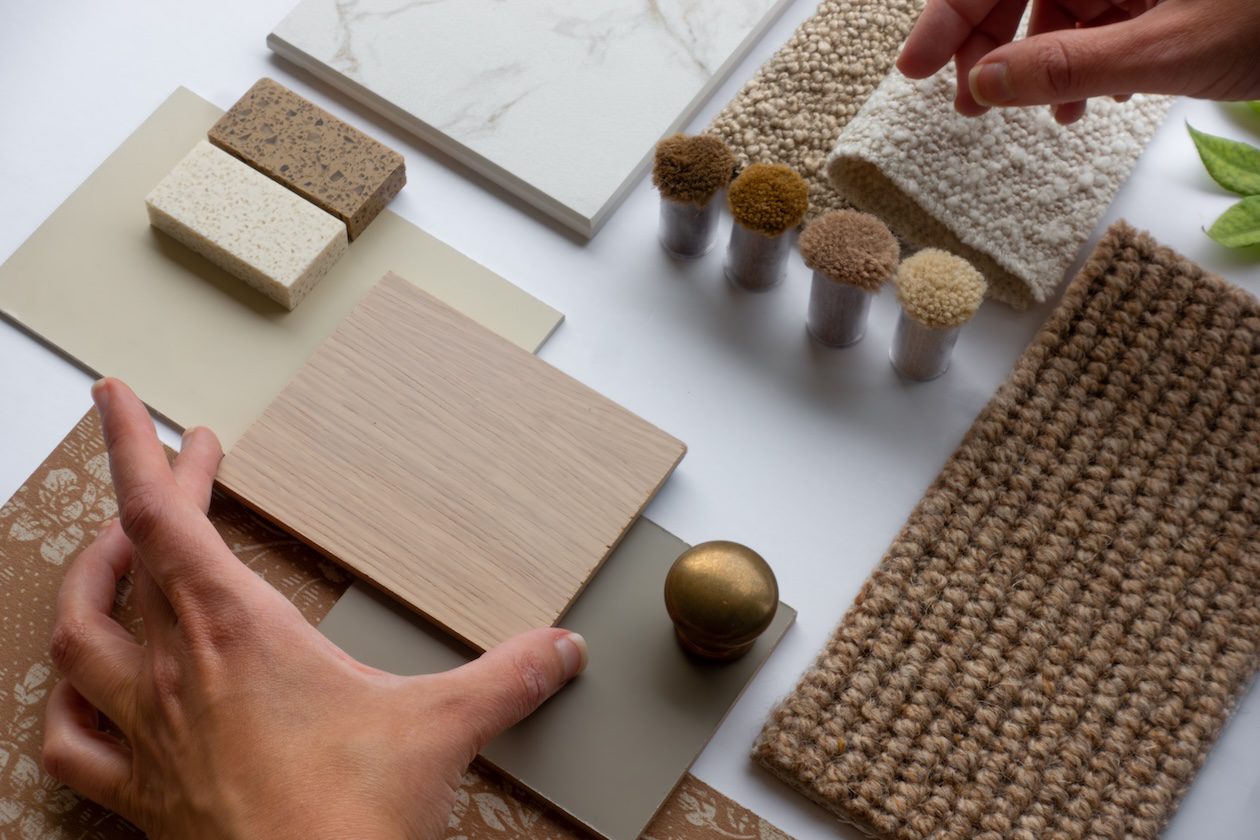
A Quick Guide to Choosing Furniture Materials
The following comparison offers a starting point for evaluating common furniture materials.
| Material | Best For | Advantages | Considerations |
|---|---|---|---|
| Solid wood | Dining tables, desks, cabinets, furniture frames | Natural beauty, structural strength, potential for refinishing | Can scratch, dent, or move with humidity |
| Wood veneer and engineered wood | Cabinets, large flat surfaces, contemporary furniture | Dimensional stability, design flexibility, efficient wood use | Quality varies; some surfaces are difficult to repair |
| Upholstery | Sofas, sectionals, dining chairs, accent seating | Comfort, softness, broad design flexibility | Wear, staining, fading, and cleaning needs vary |
| Natural stone | Coffee tables, side tables, consoles | Distinctive appearance, substantial feel, long potential lifespan | Heavy; some stones stain or etch easily |
| Metal | Furniture bases, frames, legs, accents | Structural support, slim profiles, visual contrast | Some finishes scratch or corrode |
| Woven materials | Chair backs, accent chairs, cabinet details | Natural texture, visual lightness, relaxed character | Can be vulnerable to moisture and physical damage |
The best choice often involves combining several of these materials rather than relying on one throughout the home.
Create Furniture That Feels Thoughtfully Designed With WRF
The best furniture materials aren’t simply the strongest, most expensive, or most fashionable. They’re the materials that make sense for the furniture’s purpose, the people using it, and the surrounding environment.
A carefully selected combination of wood, upholstery, stone, metal, and woven elements can create a home that feels layered, comfortable, and enduring.
At WRF Design Center, homeowners in Solana Beach, San Diego, and throughout Southern California can explore furniture, custom upholstery, fabrics, cushions, pillows, and interior design solutions that bring these elements together.
Whether you’re selecting a statement piece, updating existing furniture, or developing a cohesive design for your home, WRF can help you consider materials, finishes, proportions, and textures as part of a larger vision.
Explore WRF Design Center’s furniture and design offerings to create interiors that balance everyday function with the relaxed sophistication of Southern California living.
Frequently Asked Questions About Furniture Materials
What Is the Best Material for Furniture That Lasts?
Solid hardwoods such as white oak and walnut are excellent choices for long-lasting furniture when properly constructed and maintained. However, the best material depends on the furniture’s purpose. Performance upholstery, quality veneers, metal, and stone can also provide excellent durability when selected for appropriate applications.
What Furniture Materials Are Best for Homes With Kids and Pets?
Performance fabrics, durable wood finishes, and easy-to-clean surfaces are practical choices for busy households. Tightly woven upholstery can help reduce snagging, while medium-toned wood finishes may make everyday scratches less noticeable. Rounded furniture edges and sturdy construction are also worth considering.
What Furniture Materials Work Best in Coastal Homes?
Coastal homes often benefit from materials that balance durability with a relaxed, natural appearance. White oak, quality performance fabrics, rattan, and carefully selected stone can complement California casual interiors. In homes with significant sunlight or exposure to salty air, UV resistance, moisture sensitivity, and maintenance requirements should also influence material selection.

 Pursu Agency