Key Points
- Mixing wood tones creates more depth and character than trying to match every finish.
- Designers use undertones, contrast, and repetition to make different woods feel intentional.
- Rugs, upholstery, stone, and metal help balance multiple wood finishes and keep rooms cohesive.
Walk into a thoughtfully designed home and you probably will not find one wood finish repeated on every surface. The floors may be white oak, the dining table walnut, and a vintage cabinet several shades darker. Yet instead of competing, the different finishes make the interior feel layered and collected.
That balance is especially important in Southern California interiors, where natural materials help create the warm, relaxed character associated with coastal and California casual design.
Successfully mixing wood tones is not about finding exact matches. Designers consider undertones, contrast, repetition, visual weight, and the surrounding materials to make different finishes feel like intentional parts of the same home.
Why Matching Every Wood Tone Is Usually a Mistake
Perfectly matched woods can make a room feel flat
Using the same wood color for the flooring, cabinetry, tables, chairs, and other furnishings may seem like the safest approach. In practice, too much similarity can remove the contrast that gives a room depth.
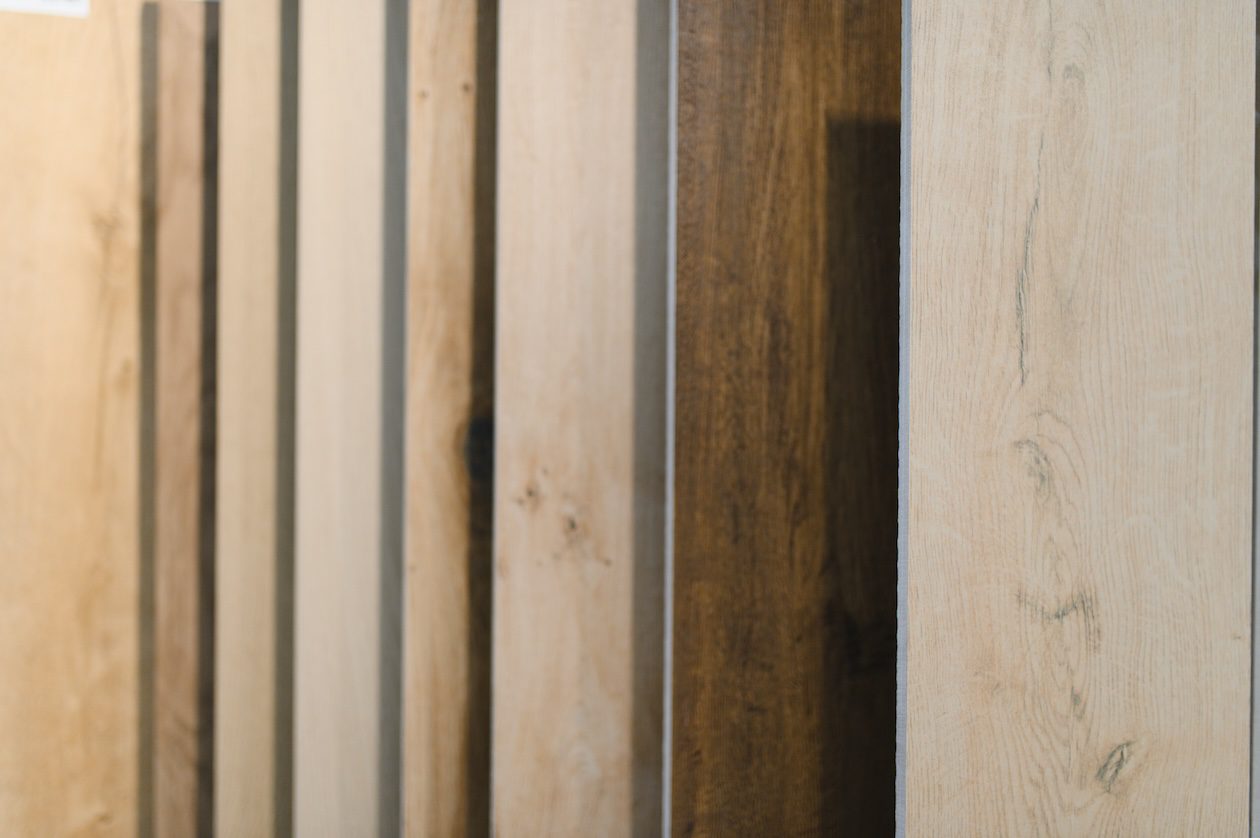
Variation allows individual pieces to stand out while contributing to the larger design. A pale oak floor paired with a richer walnut table, for example, creates more dimension than trying to match the table precisely to the flooring.
The goal is coordination, not duplication
Designers are generally looking for relationships between materials rather than identical finishes. They consider whether the undertones complement one another, whether there is enough contrast to distinguish adjacent pieces, and whether each finish appears elsewhere in the room.
The result can feel cohesive without looking overly coordinated.
Start With the Wood Tones Already in the Home
Flooring and cabinetry usually set the foundation
Before introducing new furniture, look at the wood that is already part of the architecture.
Flooring, cabinetry, built-ins, beams, doors, and other permanent elements occupy a significant amount of visual space. Because they are more difficult and expensive to change than a coffee table or dining chairs, they should help establish the direction of the material palette.
In a home with expansive white oak flooring, for example, designers may intentionally choose furniture that contrasts with the floor rather than trying to duplicate it.
Identify the dominant wood before adding another
A room does not need every wood tone to have equal visual importance. One can serve as the dominant finish while the others support it.
The dominant wood is often determined by the largest existing surface, such as flooring or kitchen cabinetry. Secondary woods can then appear in furniture, shelving, frames, or smaller architectural details.
This hierarchy helps prevent several finishes from competing for attention.
Pay Attention to Undertones
Woods can read warm, cool, or neutral
Color matters, but the undertone beneath that color is often more important.
Some woods and stains have warm golden, red, or orange undertones. Others can appear cooler, grayer, or more neutral. Lighting, surrounding paint colors, and finishes can also influence how those undertones appear in a room.
Rather than comparing woods based only on how light or dark they are, designers consider how their underlying colors interact.
Similar undertones can connect very different woods
White oak and walnut do not need to look alike to work together. In fact, their differences can be part of the appeal.
A light oak with natural warmth can sit comfortably beside a deeper walnut when the overall palette creates a visual connection between them. The contrast in value adds depth, while compatible undertones help the combination feel considered.
Use Contrast Instead of Trying to Find a Perfect Match
Woods that are almost identical can look accidental
One of the trickiest combinations is not necessarily a very light wood beside a very dark one. It can be two finishes that are almost the same.
When a new dining table is just slightly different from the flooring beneath it, the difference may look like an unsuccessful attempt at matching.
Creating more obvious contrast removes that ambiguity. A distinctly lighter, darker, or differently grained wood reads as a deliberate design choice. Architectural Digest similarly recommends leaning into contrast when combining different wood tones rather than trying to make every finish match.
Dark wood can ground a light coastal interior
California casual interiors often feature pale walls, natural textiles, abundant sunlight, and lighter woods. Darker wood can provide an effective counterpoint.
Walnut furniture, a dark wood console, or deeper wood accents can visually anchor an otherwise airy room. Used selectively, these finishes add depth and sophistication without sacrificing the relaxed feeling associated with coastal interior design.
The key is balance. A few darker elements can provide contrast. Too many large, heavy pieces concentrated in one area can overwhelm the lighter palette.
Repeat Wood Tones to Make Them Feel Intentional
One isolated finish can look out of place
If a dark wood appears only once in a room filled with pale oak, the piece may feel disconnected. Repeating that tone elsewhere creates a visual relationship.
A walnut dining table, for example, might connect with darker furniture legs in the living area or a wood frame across the room.
Repetition should be subtle
Repeating a finish does not mean purchasing a matching furniture collection.
Small details can be enough. Picture frames, side tables, shelving, chair frames, cabinetry details, or lighting elements can echo a wood tone without making the repetition obvious.
This is particularly useful in open-concept interiors, where the eye takes in several areas at once.
Let Rugs and Textiles Create Separation
Wood-on-wood can become visually overwhelming
Area rugs are especially useful when wood furniture sits directly over wood flooring. They create a visual break between the two surfaces, allowing each finish to read independently. For homeowners refining a layered material palette, WRF’s luxury rugs and home accents can help add softness, separation, and texture without making the room feel overly decorated.
This can make it easier to combine woods with different grains, colors, and levels of contrast.
Upholstery and textiles soften the material palette
Fabric provides another layer of separation. Upholstered dining chairs, sofas, pillows, drapery, and woven textures give the eye somewhere to rest between harder surfaces.
These elements also introduce the softness that is central to relaxed Southern California interiors.
Balance Wood With Stone, Metal, and Other Materials
A successful mixed-wood room usually is not composed primarily of wood.
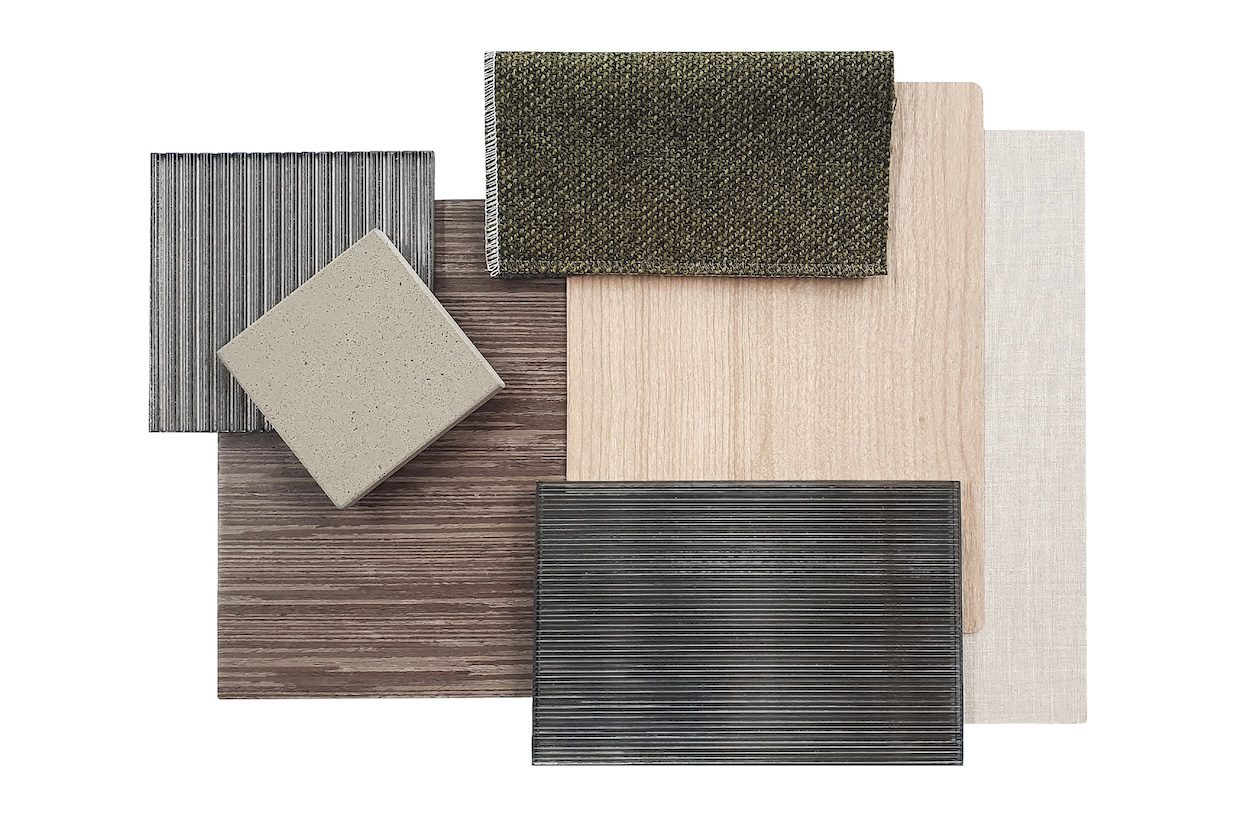
Stone tables, plaster finishes, metal lighting, glass, natural fibers, and upholstered furniture break up the material palette. Instead of asking several wood finishes to create all of the room’s visual interest, designers use contrasting materials to establish layers.
That approach works particularly well in California casual design. Natural stone, wood, woven fibers, linen-like textures, and other tactile materials can create warmth and interest while maintaining a calm, uncluttered atmosphere.
Mixing Wood Tones in an Open-Concept Home
Connected rooms need continuity, but they do not need to be identical.
In an open floor plan, kitchen cabinetry may be visible from the dining table, living room, and even an outdoor entertaining area. Designers therefore consider the entire sightline rather than treating each space as an isolated room.
Carrying a few finishes throughout the larger area can establish a consistent material language. A darker dining table might relate to a living room console, while lighter oak appears in flooring and occasional furniture.
The goal is enough repetition to connect the spaces while still allowing each area to have its own identity.
Common Wood-Mixing Mistakes
Mixed woods tend to feel chaotic when there is no clear relationship among them. Common problems include introducing several competing undertones, choosing multiple woods that are frustratingly close but not quite the same, using a new finish only once, or selecting furniture without considering existing flooring and cabinetry.
Visual weight matters too. Concentrating several large, dark wood pieces in one part of an otherwise light room can make that area feel disproportionately heavy.
Rather than judging each piece individually, consider how its color, scale, grain, and placement affect the complete room.
How Designers Build a Mixed-Wood Material Palette
Designers typically begin with the architecture, evaluating flooring, cabinetry, doors, beams, and built-ins before selecting movable furnishings.
From there, furniture can introduce deliberate contrast. Large pieces deserve particular attention because their scale gives their finish more visual weight than a small side table or frame.
Finally, the entire room is considered together. Woods are evaluated alongside rugs, upholstery, stone, lighting, window treatments, paint colors, and other finishes. This broader perspective is what turns a collection of individual materials into a cohesive interior.
Bring Your Southern California Interior Together With WRF
Creating a home that feels layered and collected takes more than choosing beautiful finishes individually. WRF helps homeowners in Solana Beach, San Diego, and throughout Southern California bring the entire interior together through thoughtful interior design, furniture selection, custom upholstery, cushions, pillows, fabrics, and customized design elements.
Whether you are furnishing a new space, updating an existing room, or trying to make flooring, cabinetry, furniture, and finishes work together, WRF can help create a cohesive material palette tailored to your home. The result is a warm, polished interior that captures the relaxed sophistication of Southern California living without feeling overly matched.
FAQs About Mixing Wood Tones
What is the best rule for mixing wood tones?
Instead of following one strict rule, start with a dominant wood tone and choose supporting finishes based on undertone and contrast. Repeating secondary wood tones throughout the room can help the mixing feel intentional rather than accidental.
Can you mix different wood tones with upholstered pieces?
Yes. Upholstered pieces can actually make mixing wood tones easier by creating visual separation between wood furniture, flooring, and cabinetry. Sofas, upholstered chairs, rugs, and other textiles also soften the overall material palette.
How many wood tones can you mix in one room?
There is no required number of wood tones for a well-designed room. What matters more is whether the tones relate through undertone, repetition, contrast, and overall style. In open-concept spaces, carrying a few recurring wood finishes between connected areas can create continuity without making every room identical.

 Pursu Agency