Southern California coastal design is undergoing a quiet evolution.
Where homes once leaned heavily on obvious beach references like navy stripes, driftwood decor, and seashell accents, today’s interiors feel more restrained, more architectural, and more intentional.
This shift reflects something deeper than aesthetics. It mirrors how people actually live along the coast. Spaces are no longer designed to look coastal. They are designed to function within a coastal lifestyle.
Minimalism and surf culture have converged to create a new design language. One that prioritizes comfort, durability, and a strong connection to the outdoors without excess.
What Coastal Minimalism Actually Looks Like
Coastal minimalism is not about removing everything. It is about editing with purpose.
Rooms feel open, but not empty. Furnishings are fewer, but more substantial. Every piece has a role, whether functional or textural.
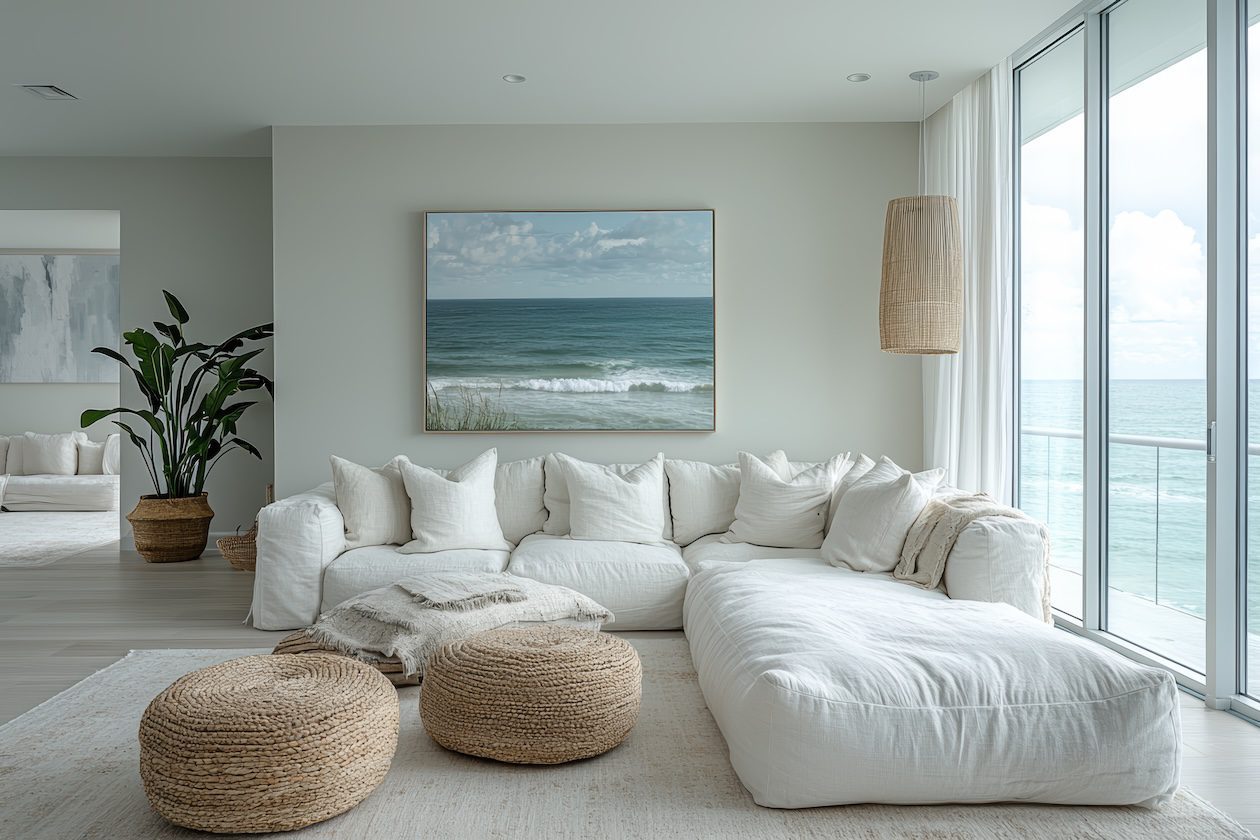
Natural materials carry the design instead of decorative accents. Wood, linen, stone, and woven elements introduce warmth while keeping the palette grounded.
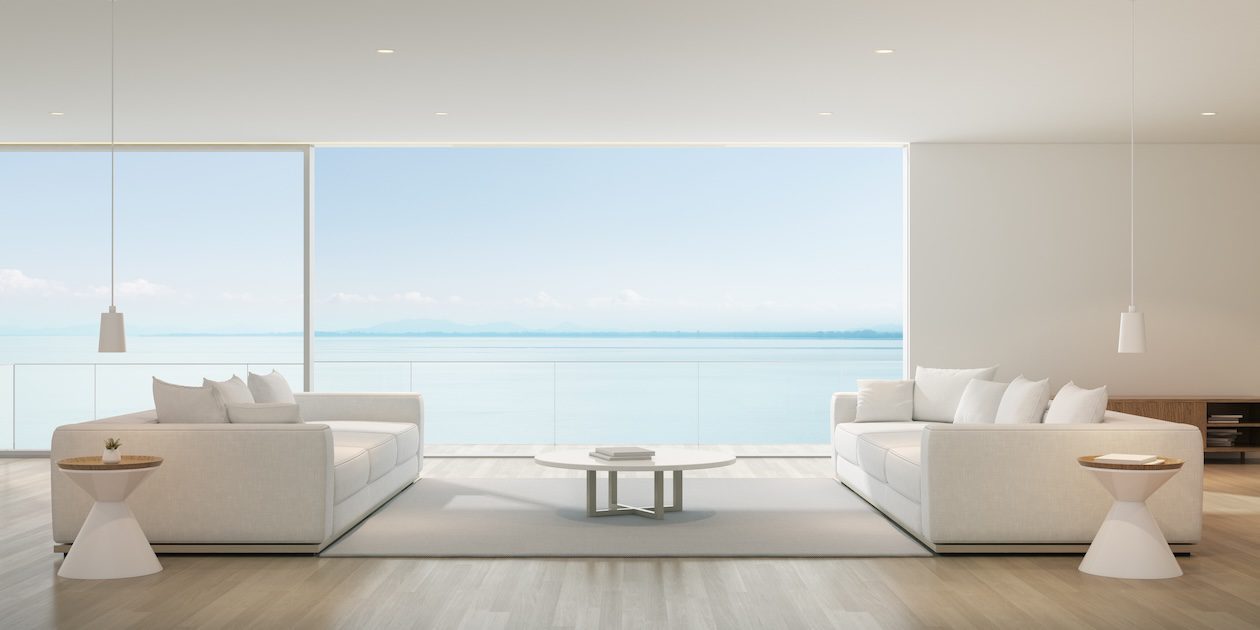
Light becomes a defining feature rather than something to work around. Large openings, soft neutrals, and reflective surfaces allow natural light to shape the space throughout the day.
This approach creates homes that feel calm without feeling staged.
The Influence of Surf Culture on Interior Design
This is where Southern California separates itself from other coastal regions.
Surf culture brings a level of practicality and ease that traditional coastal design often lacks.
Homes are designed to be lived in, not preserved. Furniture is comfortable enough for daily use. Layouts accommodate movement between inside and outside without friction.
There is an inherent acceptance of wear. Materials are chosen with the understanding that they can age, soften, and develop character over time. That evolution is not a flaw. It is part of the design.
The overall effect is relaxed but never careless. It feels effortless, but it is highly considered.
Why This Style Works So Well in San Diego Homes
San Diego’s environment naturally supports this design shift.
Abundant natural light allows interiors to rely less on artificial contrast and more on subtle tonal variation. Large glass openings and sliding doors blur the line between indoors and outdoors.
Homes are used differently here. Living rooms extend onto patios. Dining areas transition into outdoor kitchens. Seating must perform across multiple environments.
This demands materials that can handle exposure to sun, salt air, and frequent use while still maintaining a refined appearance.
The result is a design style that is not just visually appropriate for the region, but highly functional for how homes are used.
Texture Is Replacing Color as the Focal Point
One of the most noticeable changes in modern coastal homes is the shift away from bold color palettes.
Instead of contrast through color, depth is created through layering. Subtle variations in tone are paired with differences in texture to create visual interest.
Linen upholstery, boucle accents, natural wood grains, and matte finishes all contribute to a space that feels rich without feeling busy.
This approach allows rooms to remain flexible over time. Instead of committing to a strong color story, homeowners can evolve the space through materials and layering.
Furniture and Layout: Fewer Pieces, Better Proportions
Furniture selection plays a critical role in making this style work.
Rather than filling a room with multiple smaller pieces, the focus shifts to fewer, larger elements that anchor the space.
Deep sectionals, oversized lounge chairs, and built-in seating create a sense of ease and permanence. If you’re planning layouts around larger seating, understanding scale is key. A detailed breakdown in this Ultimate Pillow Size Chart for Queen Beds, Sectionals & Window Seats helps ensure everything feels balanced and intentional. Layouts are designed around how people gather, not how a room is staged for appearance.
Circulation matters just as much as aesthetics. Clear pathways between indoor and outdoor areas reinforce the connection to the surrounding environment.
The result is a space that feels both open and grounded.
Fabrics That Support Coastal Living
Material selection is where many coastal designs succeed or fail.
In Southern California homes, fabrics must balance softness with performance. Coastal environments bring sun exposure, salt air, and moisture, all of which can accelerate material wear over time, particularly in coastal climates. Daily use adds additional stress to upholstery and textiles.
Performance fabrics have evolved to meet this need. For a deeper look at how these materials perform in real environments, this guide on Patio-Proof Upholstery Fabrics That Laugh at Sun, Sand & Salt breaks down what actually holds up indoors and out. Many modern options are designed to mimic the look and feel of natural fibers while offering resistance to fading, staining, and wear.
This is especially important in sun-facing rooms, outdoor-adjacent seating areas, and high-traffic gathering spaces.
Choosing the right textiles ensures that the design holds up over time without losing its intended aesthetic.
 Common Mistakes That Disrupt the Look
 Common Mistakes That Disrupt the Look
Even well-intentioned designs can miss the mark if certain elements are overdone.
Over-minimalizing a space can strip it of warmth, leaving it feeling cold rather than calm. In many coastal homes, the fix is not adding more decor, but understanding which design layers bring warmth back into the room.
Leaning too heavily into traditional coastal decor can make a space feel dated or overly themed.
Ignoring comfort in favor of aesthetics undermines the livability that defines this style.
Selecting materials that cannot withstand the coastal environment often leads to premature wear and inconsistency in the design.
Avoiding these pitfalls is key to achieving a balanced result.
How to Bring Coastal Minimalism Into Your Home
Adopting this style does not require a full renovation.
Start by simplifying the layout. Remove pieces that do not serve a clear purpose.
Focus on upgrading foundational elements such as upholstery, rugs, and key furniture pieces rather than layering in decor.
Prioritize materials that add texture and durability instead of introducing more color.
Most importantly, design around how the space is actually used. The goal is not to create a showroom. It is to create a home that functions effortlessly day to day.
Where WRF Design Center Fits In
Achieving this level of cohesion often comes down to material selection and customization.
WRF Design Center helps homeowners refine their spaces through tailored upholstery, curated fabric selections, and solutions designed specifically for indoor-outdoor living.
From custom cushions that fit architectural layouts to performance textiles that withstand coastal conditions, the focus is on creating spaces that feel intentional and built to last.
The result is a home that reflects both the environment and the way it is lived in.
Why Coastal Minimalism Is Defining the Future of Southern California Homes
Southern California coastal design is no longer about decoration.
It is about restraint, materiality, and livability.
By combining minimalist principles with the influence of surf culture, today’s homes achieve a balance that feels both elevated and approachable.
The spaces that stand out are not the ones with the most elements. They are the ones where every element has been chosen with purpose.
That level of intention doesn’t happen by accident. It comes from selecting the right materials, tailoring pieces to the space, and designing for how the home is actually used day to day.
WRF Design Center helps bring that vision to life through custom upholstery, performance fabrics built for coastal environments, and curated material selections that create a seamless indoor-outdoor experience.
Whether you are refining a single space or rethinking your entire home, the right materials and craftsmanship make all the difference in achieving a coastal look that feels effortless and lasts.
Frequently Asked Questions
What is coastal minimalism in Southern California homes?
Coastal minimalism in Southern California blends clean, uncluttered interiors with natural materials and a strong connection to the beach lifestyle. It focuses on fewer, higher-quality pieces and spaces designed for everyday living rather than decoration.
How does surf culture influence modern coastal interior design?
Surf culture brings a relaxed, functional approach to design. Homes are built for real use, with durable materials, comfortable layouts, and seamless indoor-outdoor flow that reflect how surfers and beach communities actually live.
What materials work best for coastal homes near the beach?
Materials that perform well near the beach include performance fabrics, natural wood, linen, and textured upholstery. These choices help resist sun exposure, moisture, and wear while maintaining a refined, coastal look.
How can I design a coastal home that feels modern, not themed?
Focus on texture over color, simplify your layout, and avoid overly literal beach decor. Instead of decorating around a theme, use layered neutrals, natural materials, and functional furniture to create a space that feels effortless and timeless.

 Pursu Agency