Pillows are one of the simplest ways to transform a space, but they are also one of the most commonly misused design elements.
The issue is rarely the fabric or color. It is almost always the size.
Too-small pillows can make a bed or sofa feel incomplete and underdesigned. Oversized pillows, on the other hand, can overwhelm furniture and reduce usable comfort. The right proportions create balance, structure, and a polished, intentional look.
This guide breaks down exactly how to choose the right pillow sizes for three of the most common areas in the home: queen beds, sectional sofas, and window seats. It also explains how designers think about layering, inserts, and fabric selection so you can confidently recreate the look in your own space.
For coastal San Diego homes, where indoor-outdoor living is part of daily life, pillows also need to perform. That means selecting the right sizes alongside the right materials to ensure durability, comfort, and long-term visual appeal.
Why Pillow Size Matters in Interior Design
Pillow sizing is not just a decorative decision. It directly impacts how a space feels and functions.
Proportion and Visual Balance
Furniture has scale, and pillows must match it. A large sectional paired with small 18-inch pillows will feel visually disconnected. Similarly, oversized pillows on a smaller sofa can look bulky and impractical. Proper sizing ensures that pillows feel integrated into the furniture rather than sitting awkwardly on top of it.
Layering and Depth
Layering is what gives a space a finished, designer look. When pillow sizes vary intentionally, they create depth and dimension. Larger pillows act as the foundation, while smaller or lumbar pillows add contrast and detail. Without size variation, arrangements tend to look flat and one-dimensional.
Comfort and Function
Pillows are not just visual. They serve a purpose. On sectionals and window seats, they provide back support and make deep seating more comfortable. On beds, they create a soft, inviting environment that supports both lounging and sleep.
Flexibility Across Spaces
Different pillow sizes serve different roles. Some are purely decorative. Others are designed for support. Understanding the purpose of each size allows you to mix and match effectively without sacrificing comfort.
Standard Pillow Sizes (Quick Reference)
Before diving into specific layouts, it helps to understand the most commonly used pillow sizes.
- 16″ x 16″ – small accent pillows, best used sparingly
- 18″ x 18″ – standard accent size for smaller sofas or chairs
- 20″ x 20″ – the most versatile and widely used decorative pillow
- 22″ x 22″ – ideal for deeper sofas and sectionals
- 24″ x 24″ – oversized statement pillows for large-scale furniture
- Lumbar pillows – typically 12″ x 20″, 14″ x 24″, or 14″ x 36″
While these are standard sizes, many built-ins and custom seating areas require tailored dimensions to achieve the right fit.
Pillow Size Guide for Queen Beds
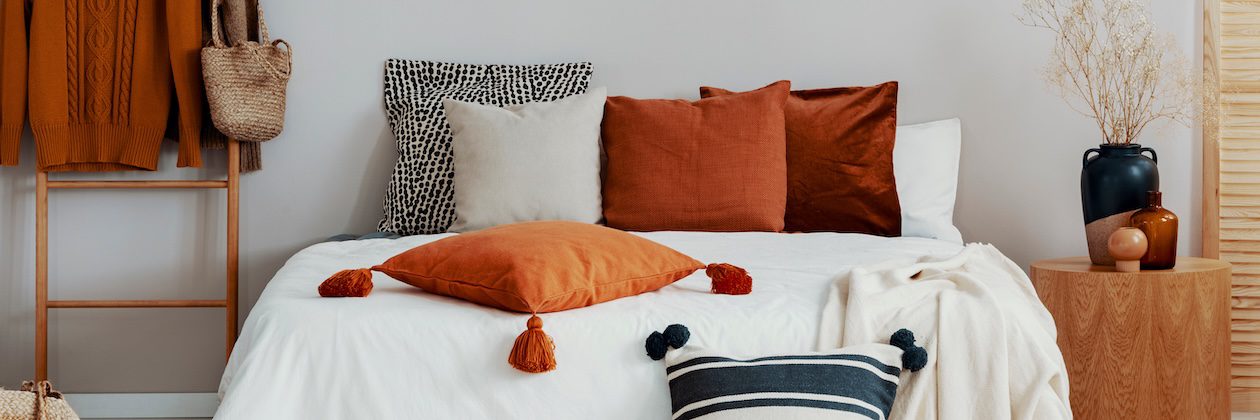
A queen bed offers the perfect opportunity to create a layered, hotel-inspired look. The key is combining functional sleeping pillows with decorative layers that add height and structure.
Classic Layered Setup
A well-balanced queen bed typically includes:
- Standard sleeping pillows for everyday use
- Euro shams (26″ x 26″) to create height at the back
- Decorative square pillows for visual interest
- A lumbar pillow to anchor the arrangement
Recommended Arrangement
For most queen beds, this combination works consistently well:
- 2 standard sleeping pillows
- 2 Euro pillows (26″ x 26″)
- 2 decorative pillows (20″ x 20″ or 22″ x 22″)
- 1 lumbar pillow (approximately 14″ x 36″)
This setup creates a structured, layered look without feeling overcrowded.
Why This Works
Euro pillows establish the vertical backdrop. Without them, the arrangement tends to feel flat.
The decorative pillows introduce texture, color, and personality. Choosing slightly larger sizes, such as 22-inch squares, helps them stand out against the Euros.
The lumbar pillow ties everything together and adds a horizontal element that balances the vertical layers behind it.
Common Mistakes to Avoid
Using only sleeping pillows often leaves the bed looking unfinished. Choosing decorative pillows that are too small causes them to disappear visually. Overloading the bed with too many pillows can make it impractical for daily use. A well-edited arrangement always looks more refined than an overcrowded one.
 Pillow Size Guide for Sectional Sofas
 Pillow Size Guide for Sectional Sofas
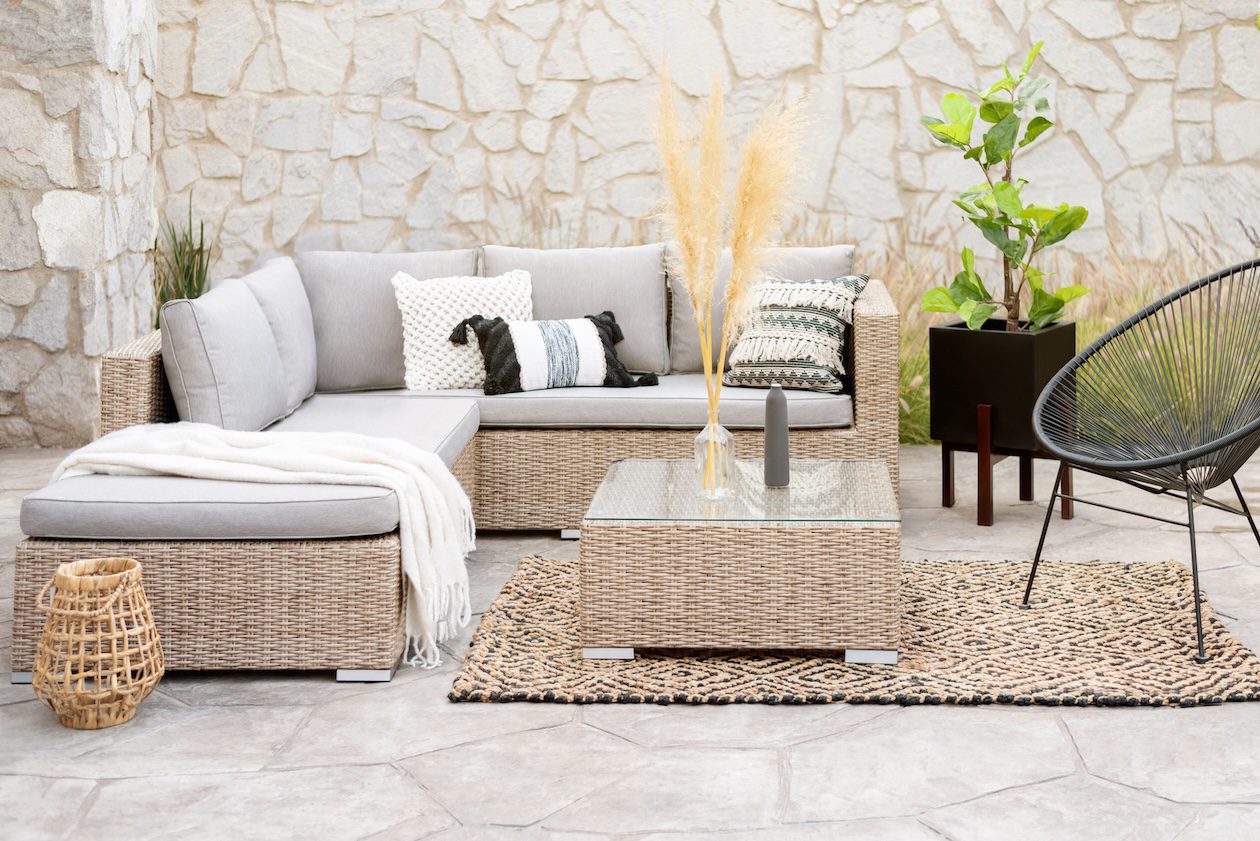
Sectionals present a different challenge because of their depth and scale, especially in outdoor living spaces where furniture is often larger and more relaxed. Standard pillow sizes that work on smaller sofas often feel undersized on a sectional. Larger pillows are essential for both comfort and proportion.
Best Pillow Sizes for Sectionals
- 22″ x 22″ – primary pillows for everyday use
- 24″ x 24″ – oversized pillows for corners and deep seating
- 12″ x 20″ or 14″ x 24″ – lumbar pillows for contrast and support
Layout Strategy
Start with larger pillows in the corners of the sectional. These anchor the arrangement and provide support where people naturally lean.
Layer in 22-inch pillows along the sides to maintain consistency. Add one or two lumbar pillows to introduce variation in shape and create a more relaxed, lived-in feel.
Why Larger Pillows Matter
Sectionals are designed for lounging. Smaller pillows do not provide enough back support and often get lost visually.
Larger pillows fill the space properly and make the seating more comfortable, especially for longer periods.
Fabric Considerations for Sectionals
Because sectionals are high-use areas, durability matters just as much as appearance.
Performance fabrics are often the best choice, especially in coastal environments where sun, sand, and salt exposure can quickly wear down standard materials. They resist stains, handle frequent use, and hold up well in homes with children or pets.
For coastal environments, they also offer resistance to fading from sunlight, which is especially important in bright, open living spaces.
Pillow Size Guide for Window Seats
Window seats are one of the most versatile areas in a home.
They can function as reading nooks, casual seating areas, or decorative focal points. Pillow sizing plays a critical role in making them both comfortable and visually balanced.
Recommended Pillow Sizes
- 20″ x 20″ – standard back support pillows
- 22″ x 22″ – ideal for deeper or oversized window seats
- 14″ x 24″ lumbar pillows – perfect for lounging and added comfort
Layout Ideas
A simple and effective approach is to use two to three square pillows evenly spaced across the seat.
Add a lumbar pillow in front to create depth and provide additional support.
For wider window seats, consider using a mix of 20-inch and 22-inch pillows to avoid a uniform, overly rigid look.
Balancing Style and Function
Window seats need to feel inviting. If the pillows are too small, they will not provide adequate support. If they are too large, they can take up too much seating space. The goal is to strike a balance where the pillows enhance comfort without limiting usability.
Sun Exposure and Fabric Selection
Window seats often receive direct sunlight, which can cause fading over time.
Performance fabrics are particularly valuable in these areas. Many modern options are designed to mimic natural textures like linen or cotton while offering increased durability and UV resistance.
This allows you to maintain a soft, coastal aesthetic without sacrificing longevity.
Choosing the Right Pillow Inserts
The insert inside the pillow is just as important as the cover.
It determines how full, structured, and supportive the pillow feels.
The Designer Rule for Inserts
Always size inserts 1 to 2 inches larger than the pillow cover.
For example:
- 20″ x 20″ cover → 22″ x 22″ insert
- 22″ x 22″ cover → 24″ x 24″ insert
This creates a fuller, more structured appearance that prevents the pillow from looking flat.
Types of Inserts
Down or feather inserts provide a soft, relaxed look and are ideal for decorative pillows.
Down alternative inserts offer a similar feel with less maintenance and are often preferred for allergy-friendly homes.
Foam or structured inserts are less common for decorative pillows but can be useful in areas where firm support is needed.
Why Insert Quality Matters
Even the best fabric will not look good if the insert is underfilled or poorly constructed. A high-quality insert maintains shape over time and enhances the overall appearance of the pillow arrangement.
Fabric Considerations for Coastal Homes
In coastal environments like San Diego, fabric selection is just as important as sizing.
Pillows are often exposed to sunlight, humidity, and frequent use, especially in homes that blend indoor and outdoor living.
Key Fabric Challenges
Sun exposure can cause fading, particularly with natural fibers.
High traffic areas require materials that can withstand repeated use.
Moisture and humidity can impact durability over time.
Benefits of Performance Fabrics
Performance fabrics are designed to address these challenges.
They offer:
- UV resistance to reduce fading
- Stain resistance for easier maintenance
- Increased durability for high-use areas
Modern performance textiles have evolved significantly and now replicate the look and feel of traditional materials like linen, velvet, and woven textures.
Where to Use Performance Fabrics
They are especially effective for:
- Window seats exposed to direct sunlight
- Sectional sofas in busy living areas
- Indoor-outdoor spaces where durability is essential
Using the right fabric ensures that pillows maintain their appearance and function over time.
When Custom Pillows Make Sense
Standard sizes work well in many situations, but they are not always the best solution. Custom pillows are often necessary when working with unique furniture or built-in features.
Common Scenarios for Custom Sizing
- Window seats with non-standard dimensions
- Built-in benches or banquettes
- Oversized or uniquely shaped sectionals
- Spaces requiring specific fabric performance
Benefits of Custom Pillows
Custom sizing allows for a precise fit, which improves both comfort and visual balance. It also provides more flexibility in fabric selection, allowing homeowners to choose materials that align with their lifestyle and design preferences.
The Design Advantage
Custom pillows elevate a space from looking styled to feeling intentional. They ensure that every element works together cohesively rather than relying on approximations.
Get the Right Pillow Sizes, Materials, and Fit for Your Space
 Get the Right Pillow Sizes, Materials, and Fit for Your Space
Pillows may be a small detail, but the right sizes and materials make a noticeable difference in both comfort and design.
When proportions, inserts, and fabrics work together, beds feel layered, sectionals feel complete, and window seats become more usable and inviting. In coastal San Diego homes, choosing durable, performance-driven materials is just as important as getting the sizing right.
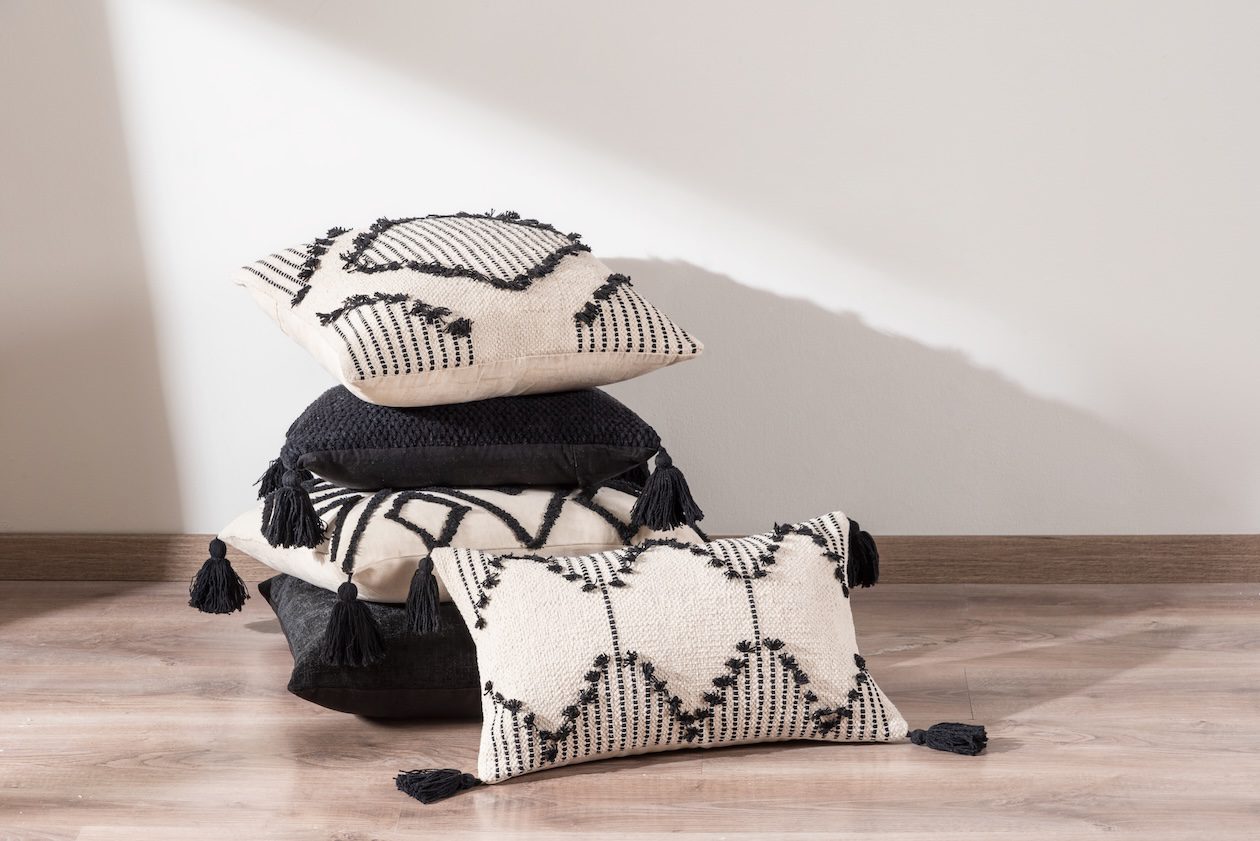
At WRF Design Center, homeowners can create custom pillows designed to fit their exact space. From selecting the right sizes to choosing performance fabrics and high-quality inserts, every detail is tailored for long-term comfort and style.
Visit the showroom or schedule a consultation to get a solution that fits your space the way it should.
Frequently Asked Questions About Pillow Sizes
What are the most common pillow sizes?
The most common pillow sizes used in home design include 18″ x 18″, 20″ x 20″, and 22″ x 22″ square pillows, along with lumbar options like 12″ x 20″ or 14″ x 24″. These common pillow sizes work well across sofas, beds, and window seats, with 20-inch pillows being the most versatile for everyday use.
How do I choose the right pillow size for my space?
Choosing the right pillow size depends on the scale of your furniture and how the pillows will be used. Larger furniture like sectionals or king beds typically require 22″ or 24″ pillows, while smaller sofas or chairs work better with 18″ or 20″ sizes. The ideal pillow should feel proportional to the furniture while still providing comfort and support.
What are the different types of pillows used in interior design?
There are several types of pillows used in interior design, including square accent pillows, lumbar pillows, Euro pillows, and body pillows. Each serves a different purpose, from decorative layering to back support. While travel pillows are designed for portability and neck support, decorative pillows focus more on enhancing the look and feel of a space.

 Pursu Agency