Fabric is often treated as a finishing detail.
In reality, it is one of the most important decisions in the entire room.
In coastal Southern California homes, fabric has to do more than look good. It needs to handle sun exposure, daily use, and the constant transition between indoor and outdoor living.
The wrong choice leads to fading, wear, and a space that feels flat or unfinished.
The right choice creates comfort, durability, and a cohesive design that holds up over time.
These three fabric decisions are what determine the difference.
Decision #1: Durability (Especially in Coastal Conditions)
Coastal environments place added stress on fabrics.
Even inside the home, UV exposure through large windows and sliding doors can cause fading over time. In coastal environments, salt air and moisture can further accelerate fabric wear.
What to look for
- Performance fabrics designed for high-use environments
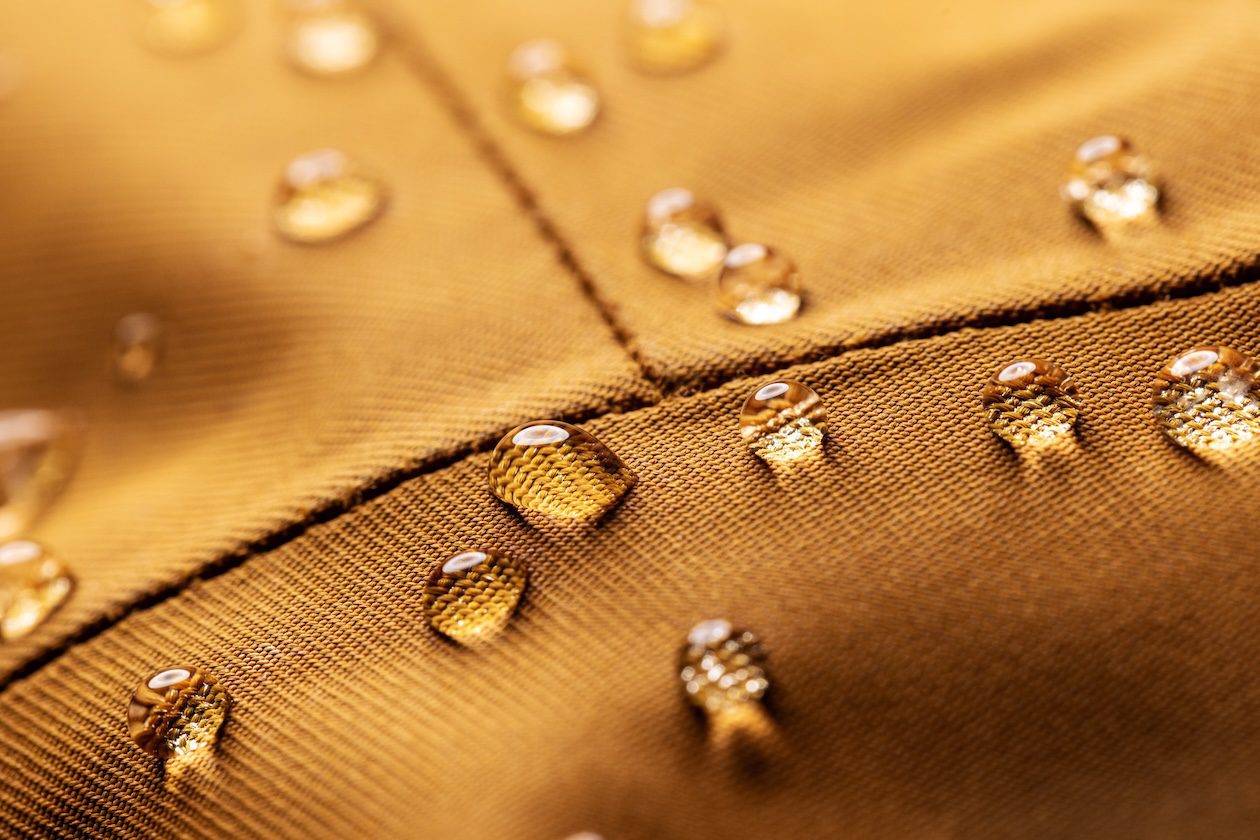
- Solution-dyed materials that resist fading
- Textiles with increased resistance to moisture and wear
Why it matters
Choosing the wrong fabric often leads to:
- Visible fading in sun-exposed areas
- Breakdown of fibers over time
- The need for frequent replacement
Durability is not just about longevity. It is about maintaining the look and feel of the space.
Decision #2: Texture (The Key to Elevated Design)
In most Southern California homes, the color palette is intentionally neutral.
That means texture becomes the primary way to create depth and visual interest.
What this looks like
- Mixing linen, boucle, and woven blends
- Pairing smooth upholstery with more tactile accents
- Layering subtle variations within the same color family
Why it matters
Without texture, even high-end furniture can feel flat.
When done well, texture adds dimension without introducing visual clutter, allowing the space to feel both refined and comfortable.
Decision #3: Scale (The Most Overlooked Factor)
This is where many otherwise well-designed rooms fall apart.
Fabric choices need to match the scale of the furniture and the space.
Common mistakes
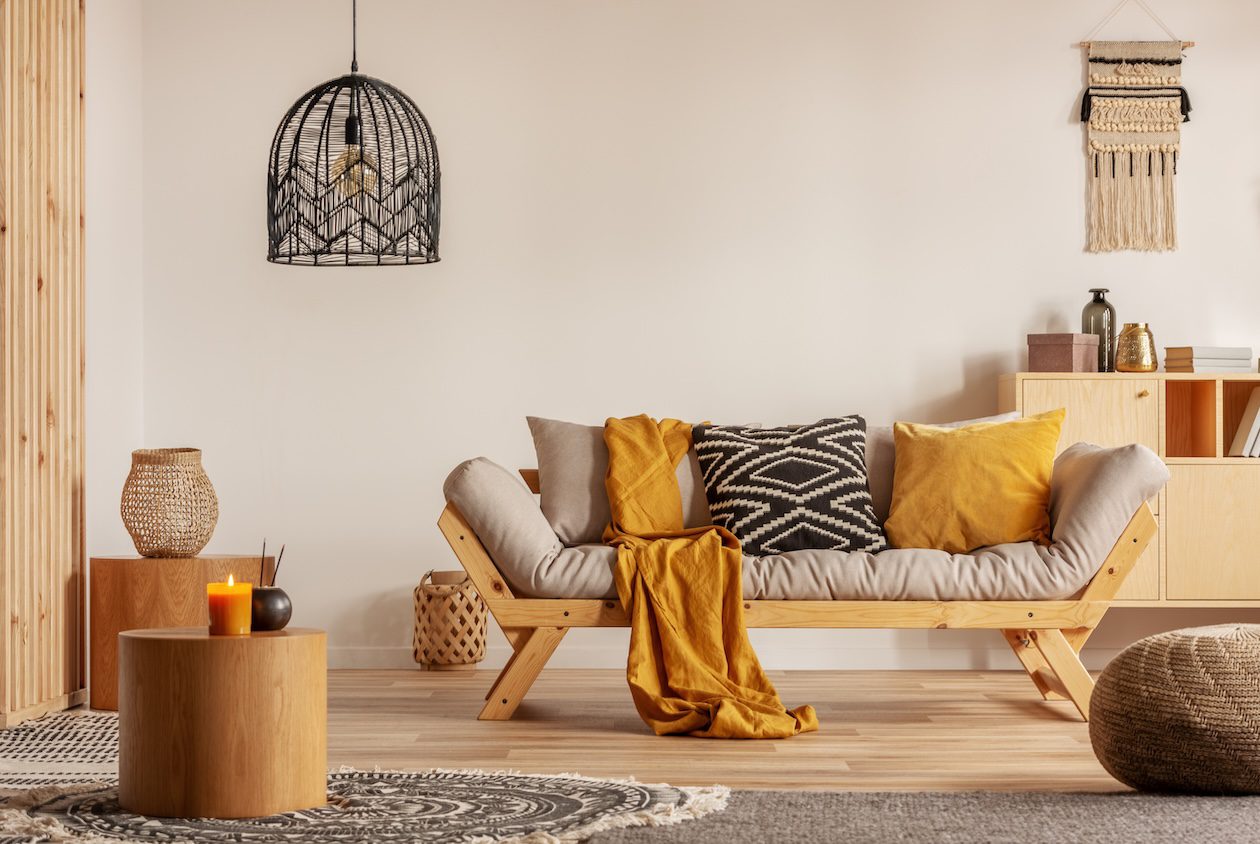
- Pillows that are too small for the sofa.
- Fabrics with patterns or textures that feel too fine or understated
- Not enough visual weight to balance larger furniture pieces
Getting proportions right makes a significant difference in how finished a space feels.
What works
- Larger pillows, typically in the 22 to 24 inch range
- Textures that read clearly from a distance
- Materials that feel proportionate to the size of the room
Why it matters
Even the right fabric can look wrong if the scale is off.
Proportion is what makes everything feel intentional.
How These Three Decisions Work Together
Durability, texture, and scale are not separate choices.
They work together to define how the room looks and performs.
A few common scenarios:
- A high-quality sofa with the wrong fabric can still feel flat
- A beautiful fabric used at the wrong scale can feel awkward
- Durable materials without texture can feel overly functional
When all three are aligned, the space feels complete.
How Fabric Shapes Coastal Style (Without Looking Themed)
Coastal style in Southern California has moved away from obvious themes and decorative elements.
Instead of relying on blue accents or beach-inspired decor, modern coastal interiors are defined by materials.
Fabric plays a central role in that shift.
Linen, woven textiles, and performance upholstery create a relaxed, coastal feel without relying on color or pattern. This approach allows a space to feel connected to the beach environment without looking overly styled.
When done well, the result is a coastal look that feels natural, not forced.
Why Coastal Homes Require a Different Approach
Southern California homes tend to highlight fabric decisions more than many other environments.
Abundant natural light makes fading and wear more noticeable.
Open layouts require consistency across multiple spaces.
Indoor-outdoor transitions demand materials that perform well in changing conditions. This is where material selection connects interior comfort with exterior durability.
Fabric needs to do more here. It must balance durability with design.
Lighting and Fabric: How They Work Together
Lighting has a direct impact on how fabric looks and performs in a space.
In coastal homes, natural light is abundant, which means textures, colors, and wear are more visible throughout the day.
Soft fabrics like linen and boucle can appear richer and more dimensional in natural light, while flatter materials may feel more one-dimensional.
Artificial lighting also plays a role. Floor lamps, table lamps, and layered lighting help soften shadows, highlight texture, and create a more balanced, finished look.
Without proper lighting, even well-chosen fabrics can fall flat.
The Advantage of Custom Upholstery
Off-the-shelf furniture limits your ability to control these factors.
Custom upholstery allows you to:
- Select fabrics based on performance and environment
- Choose textures that complement the overall design
- Scale materials appropriately for the furniture and space
This level of control leads to a more cohesive and long-lasting result.
How to Get Fabric Selection Right
You do not need to overcomplicate the process.
Start with a few key guidelines:
- Choose performance-grade fabrics for sun-exposed areas
- Layer two to three different textures within the same palette
- Scale pillows and textiles to match the size of the furniture
These decisions create immediate impact.
Designing a Coastal Living Room That Lasts
The best coastal living rooms are not built on furniture alone.
They are built on material decisions that support both function and design.
WRF Design Center helps homeowners navigate those decisions with curated fabric selections, custom upholstery, and performance materials designed specifically for coastal environments.
From selecting fade-resistant textiles to layering textures and scaling materials correctly, WRF ensures every detail contributes to a space that feels cohesive, comfortable, and built to last.
When fabric is chosen intentionally, the entire room works better and looks better over time.
Frequently Asked Questions
What is the best fabric for a coastal living room?
The best fabric for a coastal living room is one that balances durability and texture. Performance fabrics, solution-dyed materials, and fade-resistant textiles are ideal because they withstand sun exposure, moisture, and daily use while still looking refined.
How do I choose upholstery fabric for a sunny room?
For sunny rooms, prioritize fabrics with UV resistance and durability. Performance fabrics and solution-dyed materials help prevent fading and maintain their appearance over time, especially near large windows or sliding doors.
Why does fabric choice matter so much in interior design?
Fabric impacts both how a room looks and how it functions. The right fabric adds texture, comfort, and durability, while the wrong choice can lead to fading, wear, and a space that feels unfinished or unbalanced.

 Pursu Agency