Key Points
- A well-built sofa or chair is often worth reupholstering rather than replacing.
- Designers evaluate construction, comfort, and fit before recommending restoration or replacement.
- Custom upholstery lets you refresh furniture with fabrics and details tailored to your home.
When a favorite sofa begins to show signs of wear or a dining chair’s fabric starts to fade, many homeowners assume it’s time to start shopping for something new. At first glance, replacing the piece often seems like the simplest solution. New furniture is readily available, and countless retailers offer styles that promise to fit every design aesthetic.
Yet professional designers often approach the decision differently.
Rather than asking whether a piece is old, they ask whether it’s well made, fits the space, and contributes to the overall design vision. In many cases, furniture reupholstery allows homeowners to preserve high-quality craftsmanship while creating a custom piece that looks and feels entirely new.
For Southern California homeowners especially, reupholstery offers another advantage. California casual interiors emphasize timeless materials, natural textures, and carefully layered spaces instead of disposable furnishings that follow short-lived trends. Updating an existing piece often aligns more closely with that philosophy than replacing it.
The decision isn’t always straightforward, however. Some furniture deserves a second life, while other pieces are better replaced altogether. Understanding the difference helps homeowners invest wisely and create homes that remain beautiful for years to come.
Start With the Furniture Frame
One of the first things professional designers evaluate is something most homeowners never see: the frame.
The quality of a furniture frame largely determines whether reupholstery is worth considering. A sofa or chair built with kiln-dried hardwood, reinforced joinery, and durable suspension systems may have decades of life remaining, even if the fabric and cushions have deteriorated.
Many higher-quality older pieces were built using construction methods that are less common in today’s mass-produced furniture. Solid hardwood frames, corner blocks, dowels, and heavy-duty springs were designed to withstand years of everyday use. While not every older piece is exceptionally well made, quality construction is one of the strongest indicators that furniture may be worth restoring.
By comparison, lower-priced furniture often relies on engineered wood, staples, lightweight framing, or lower-density cushioning that can weaken over time. Once structural components begin to fail, reupholstery alone typically cannot address the underlying problems without structural repairs.
Professional designers frequently inspect several details before recommending furniture reupholstery, including:
- Frame stability
- Joint construction
- Spring condition
- Cushion support
- Signs of water damage or wood failure
- Overall structural integrity
If those components remain in good condition, replacing the fabric can completely transform the appearance while preserving the piece’s durability.
How Designers Decide Whether Furniture Is Worth Saving
The frame is only part of the equation.
Interior designers also evaluate how well a piece functions within the home itself. Furniture should complement the architecture, fit the room proportionally, and support the way the homeowner lives every day.
For example, a sofa may still be structurally sound, but if it’s too large for the room or no longer suits the home’s design direction, replacement may ultimately make more sense. On the other hand, a well-proportioned chair with excellent construction may become one of the room’s defining features after reupholstery.
Designers typically consider questions such as:
- Does the scale fit the room?
- Are the seat height and depth comfortable?
- Do the arm proportions work with the surrounding furniture?
- Does the silhouette complement the home’s architecture?
- Will updated fabric integrate naturally with the overall design?
These considerations help determine whether reupholstery supports the long-term design plan rather than simply extending the life of a piece that no longer works.
Sentimental value may also influence the decision. Family heirlooms, inherited furniture, or pieces associated with meaningful memories often deserve thoughtful restoration. While sentimental value alone shouldn’t outweigh structural concerns, preserving furniture with personal significance can create a home that feels both beautiful and deeply personal.
When Reupholstery Makes Sense
Many furniture pieces are excellent candidates for custom upholstery, particularly when their construction remains sound.
Reupholstery is often worth considering when:
- The frame is built from solid hardwood.
- The furniture fits the room well.
- The piece is comfortable but visually outdated.
- The homeowner wants a unique look that isn’t readily available in retail stores.
- The furniture has sentimental value.
- The goal is to coordinate with a larger interior design project.
Custom upholstery allows homeowners to retain the qualities they already appreciate while updating nearly every visible aspect of the furniture. For homeowners ready to explore the process, WRF Design Center’s furniture reupholstery services can help transform a well-built sofa, chair, or heirloom piece with designer-selected fabrics and custom details.
With the right fabric, trim, cushioning, and finishing details, an older chair or sofa can feel entirely new while maintaining the craftsmanship that made it worth keeping in the first place.
When Buying New Furniture Makes More Sense
Reupholstery isn’t always the right solution.
Furniture with significant structural damage, broken frames, severe water damage, or extensive deterioration may cost more to restore than it is reasonably worth. Likewise, pieces constructed with lower-quality materials may not justify the investment required for professional reupholstery.
Designers may also recommend replacement when:
- The furniture is the wrong size for the room.
- Seating comfort cannot be improved through new cushioning.
- Structural repairs would be extensive.
- The homeowner’s needs have changed significantly.
- A completely different furniture configuration would improve how the space functions.
The decision should focus on overall value rather than age alone. Some newer furniture isn’t worth rebuilding, while many decades-old pieces continue to provide exceptional foundations for custom upholstery.
Design Freedom Through Custom Upholstery
One of the biggest advantages of furniture reupholstery is design flexibility.
Retail furniture requires homeowners to choose from a limited collection of fabrics and finishes selected by the manufacturer. Even when customization is available, options may still be relatively narrow.
Custom upholstery opens significantly more possibilities.
Instead of selecting from a handful of fabrics, homeowners can choose materials that complement the entire home. Designers carefully consider color palettes, texture, durability, natural light, surrounding finishes, and long-term performance before making recommendations.
Beyond fabric, custom upholstery can include details such as:
- Contrast welt or self welt
- Decorative trim
- Tufting
- Bench or multi-cushion seating
- Cushion firmness
- Wood leg refinishing
- Updated skirt styles
- Decorative nailhead trim
These seemingly small decisions create furniture that feels intentional rather than mass produced.
For homeowners pursuing a California casual aesthetic, these custom details help establish the layered, relaxed sophistication that defines the style.
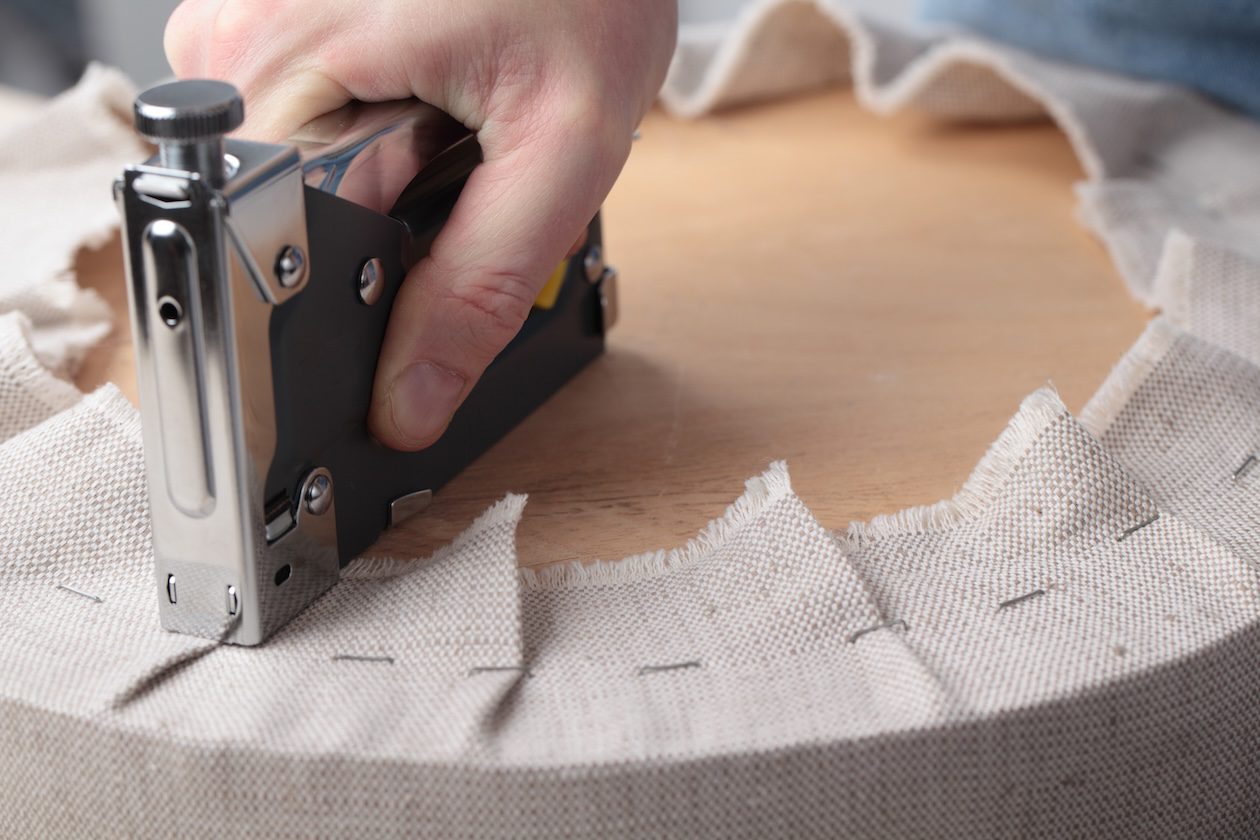
Reupholstery Is Also an Opportunity to Improve Comfort
Many people assume reupholstery only changes how furniture looks.
In reality, the process often improves how furniture feels as well.
Foam naturally softens and compresses over time. Seat support can diminish, cushions lose resilience, and suspension systems may no longer provide the comfort they once did.
During reupholstery, designers often recommend replacing worn cushioning, updating support materials, or adjusting cushion density to better match the homeowner’s preferences.
Someone who loves the proportions of an existing sofa but wishes it felt firmer, softer, or more supportive may be able to achieve those improvements without purchasing entirely new furniture.
The result is furniture that not only looks refreshed but also performs better for everyday living.
Looking Beyond Purchase Price
One of the most common misconceptions about furniture reupholstery is that the decision should come down solely to cost.
In reality, professional designers rarely frame the conversation as “reupholster versus save money.”
Instead, they evaluate overall value.
A well-built sofa that has already proven its durability may continue serving a family for many additional years after professional reupholstery. Likewise, custom furniture allows homeowners to create pieces that precisely fit their home’s design instead of compromising on available retail options.
The most valuable investment isn’t necessarily the least expensive one. It’s the solution that provides lasting comfort, timeless design, and long-term satisfaction.
Sustainability Is Another Important Consideration
Reusing quality furniture can also reduce unnecessary waste.
Large upholstered furniture requires significant materials and manufacturing resources. Extending the life of an existing piece can help reduce landfill waste while making use of furniture that may still have decades of structural life remaining.
For homeowners who value sustainable design, reupholstery offers an opportunity to preserve quality craftsmanship rather than replacing it unnecessarily. The Sustainable Furnishings Council also encourages homeowners and designers to make thoughtful furnishing decisions that reduce environmental impact while promoting healthier, longer-lasting interiors.
When combined with thoughtfully selected fabrics and timeless design choices, restored furniture often remains relevant far longer than trend-driven purchases.
Why Fabric Selection Matters
The fabric ultimately determines much of how finished furniture will look, feel, and perform.
Professional designers consider factors including:
- Daily use
- Pets
- Children
- Sunlight exposure
- Indoor-outdoor living
- Cleaning requirements
- Desired texture
- Overall design style
Southern California homes often receive abundant natural light, making fabric performance especially important. Materials that resist fading and withstand everyday use help preserve the furniture’s appearance while supporting the relaxed lifestyle that defines many coastal homes.
Texture also plays a significant role. Linen blends, performance fabrics, bouclé, woven textiles, and other materials each contribute a different visual character. Layering these textures thoughtfully creates depth while maintaining the bright, comfortable atmosphere associated with California casual interiors.

How WRF Helps Homeowners Make the Right Decision
At WRF Design Center, reupholstery is never treated as an isolated service. Every recommendation begins with understanding your home, your lifestyle, and your long-term design goals.
Rather than automatically recommending restoration or replacement, our experienced designers evaluate each piece individually. Construction quality, comfort, room proportions, architectural style, and functionality all play a role in determining whether reupholstery is the best investment.
When reupholstery is the right choice, we guide you through every step of the process. From selecting upholstery fabrics, trims, and cushion materials to coordinating colors, textures, and finishes, every decision is made with your entire home in mind. Whether you’re restoring a cherished heirloom, updating a favorite sofa, or creating custom furniture that perfectly complements your space, our goal is to deliver a finished piece that is both beautiful and built to last.
As a full-service interior design showroom serving Southern California, WRF Design Center offers expert design guidance, custom upholstery, furniture, window treatments, flooring, cabinetry, lighting, and curated home furnishings to help homeowners create cohesive, timeless interiors. If you’re considering furniture reupholstery or wondering whether replacing a piece is the better choice, our design team can help you make a confident decision. Visit WRF Design Center or contact us today to schedule a consultation and start creating a home that’s thoughtfully designed around the way you live.
Frequently Asked Questions About Furniture Reupholstery
How much does it cost to reupholster a sofa?
The cost to reupholster a sofa varies depending on its size, construction, fabric selection, and the amount of labor required. Rather than focusing solely on price, professional designers evaluate the quality of the frame, comfort, and long-term value to determine whether reupholstery is a worthwhile investment.
Is reupholstering a sofa worth it?
Reupholstering a sofa can be an excellent choice if the piece has a well-built frame, fits your space, and remains comfortable. A professionally reupholstered sofa can provide many more years of use while allowing you to choose custom fabrics and finishes that better suit your home’s design.
Is sofa reupholstery better than buying a new sofa?
Neither option is universally better. Sofa reupholstery is often recommended for high-quality furniture with solid construction, while buying new may make more sense if the frame is damaged, poorly built, or no longer meets your functional needs. An interior designer can help determine which option offers the greatest long-term value.
Can a chair be reupholstered?
Yes. A chair is often one of the best candidates for reupholstery, especially accent chairs, dining chairs, and heirloom pieces. Updating the fabric and cushioning can completely transform its appearance while preserving its original craftsmanship.
Should sentimental value influence the decision?
It can. Furniture with sentimental value, such as a family heirloom or inherited piece, is often worth evaluating for restoration. If the construction remains sound, reupholstery allows homeowners to preserve meaningful furniture while updating it to complement the rest of the home.
Does reupholstery always cost less than buying new furniture?
Not necessarily. The overall cost depends on the furniture, fabric, and scope of the work. Rather than assuming one option is less expensive, designers compare quality, longevity, comfort, and customization to recommend the solution that provides the best overall value for the homeowner.

 Pursu Agency