Key Points
- Texture, not color, is what makes California casual interiors feel warm and inviting.
- Natural materials, layered lighting, and soft textiles create depth without sacrificing a bright, airy aesthetic.
- Thoughtful contrast and custom furnishings help coastal homes feel comfortable, cohesive, and timeless.
Southern California’s coastal homes are known for bright interiors, open floor plans, and an effortless connection between indoor and outdoor living. Clean lines, neutral colors, abundant natural light, and thoughtfully layered materials have become the hallmarks of California casual design, creating homes that feel relaxed without sacrificing sophistication. These qualities also align with broader residential design trends highlighted in the National Association of Home Builders in its 2026 Best in American Living Awards.
Yet achieving that look is often more difficult than homeowners expect.
Many people assume that painting walls white, choosing light-colored furniture, and minimizing décor will automatically create a calm, welcoming home. Instead, the result can feel surprisingly cold, flat, or unfinished. Despite investing in beautiful materials and quality furnishings, the space lacks the warmth that makes people want to linger.
The difference isn’t about adding bold colors or filling rooms with more accessories. It’s about understanding how texture, contrast, lighting, and natural materials work together to create depth while preserving the bright, airy aesthetic coastal homes are known for.
Professional designers approach coastal interiors differently. Rather than focusing on individual products, they create an overall feeling: one that’s refined yet comfortable, minimal yet inviting. Every material, fabric, and finish contributes to that experience.
The most successful coastal homes don’t simply look beautiful. They feel comfortable, welcoming, and effortlessly livable every day.
Why Bright Coastal Interiors Sometimes Feel Sterile
More White Doesn’t Always Create A Better Coastal Home
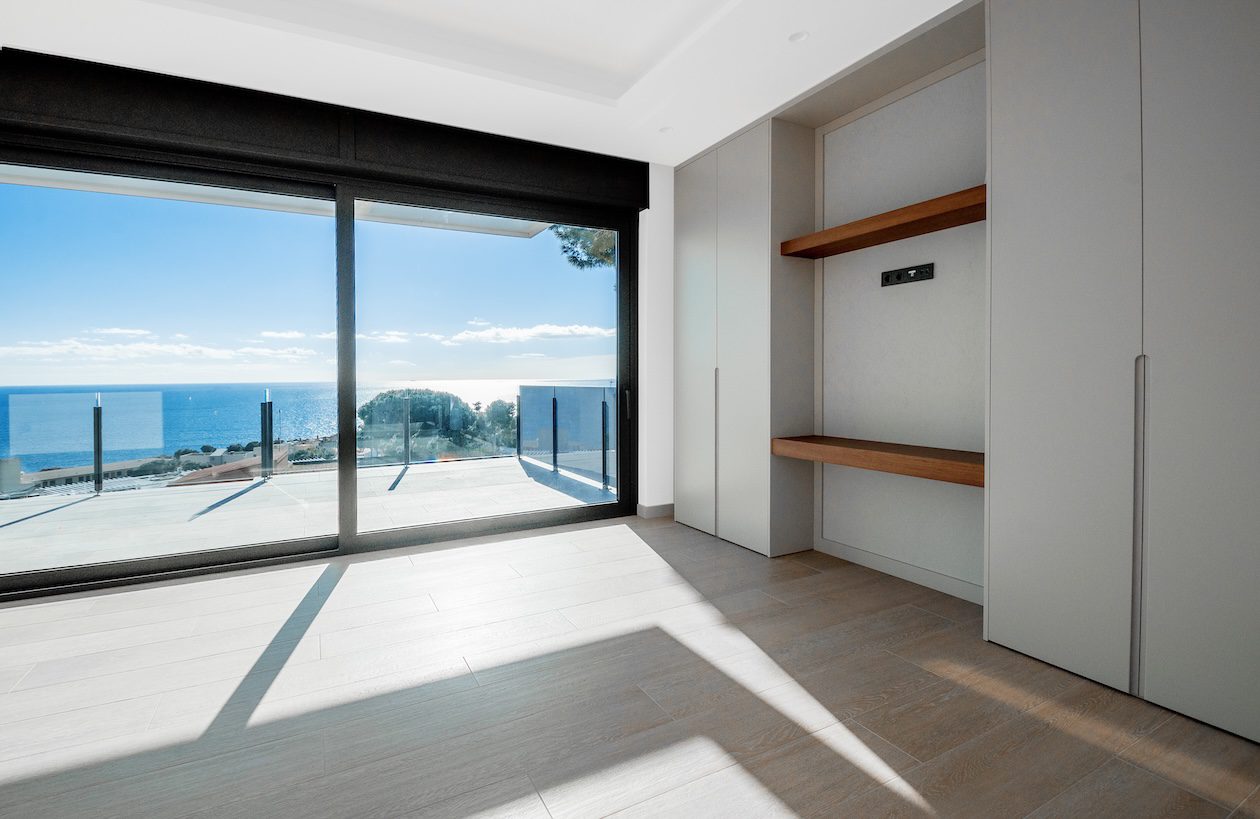
White has become one of the defining characteristics of coastal design. It reflects natural light, creates an open feeling, and provides a timeless backdrop for nearly every style of furniture.
However, when every surface shares the same tone, a room can quickly lose its sense of depth.
White walls paired with white cabinetry, pale flooring, light upholstery, and minimal accessories often blend together visually. Instead of highlighting the home’s architecture or showcasing carefully selected furnishings, everything begins to compete for the same level of attention. Even premium finishes can appear flat when there isn’t enough variation in texture or material.
This is why professionally designed coastal homes rarely rely on color alone. Designers introduce subtle differences in wood tones, textiles, stone, lighting, and handcrafted details to create visual interest while maintaining a neutral palette.
The result is a room that feels bright without becoming one-dimensional.
Coastal Design Should Feel Inviting, Not Clinical
Minimalism is often misunderstood.
A thoughtfully designed coastal home isn’t empty; it’s carefully edited. Every furnishing and accessory serves a purpose while contributing to the overall atmosphere.
Rooms that feel sterile usually aren’t too simple; they’re missing the layers that create comfort. Upholstered furniture, textured rugs, woven materials, natural wood, soft lighting, and carefully selected accessories all work together to make a space feel lived in rather than staged.
California casual interiors strike a balance between restraint and warmth. Instead of filling every corner, designers choose fewer pieces with greater intention. The home feels organized and uncluttered without sacrificing personality or comfort.
That balance is what separates a home that feels relaxing from one that feels more like a showroom.
Texture Is What Brings California Casual Interiors To Life
Warmth Comes From Materials More Than Color
One of the biggest misconceptions about coastal design is that warmth comes from adding stronger colors.
In reality, many of the most inviting California casual homes rely almost entirely on neutral palettes. The difference lies in the materials themselves.
Linen upholstery, natural wood, woven fibers, handcrafted ceramics, textured stone, and soft wool rugs all interact with light differently. Each surface introduces subtle variation that keeps the room visually interesting without disrupting its calm appearance.
These layers create dimension while allowing the palette to remain soft and understated.
Instead of asking whether a room needs more color, designers often ask whether it needs more texture.
Soft Surfaces Make Every Room Feel More Comfortable
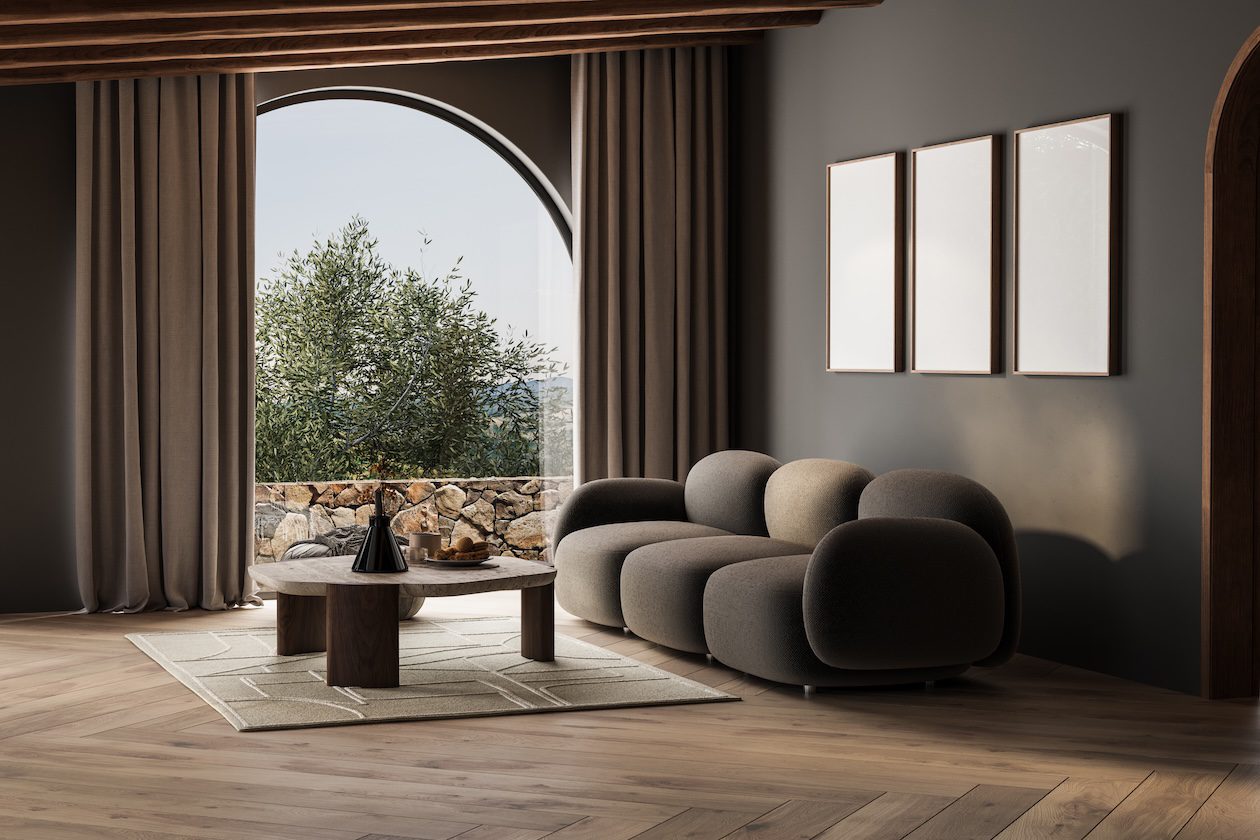
Hard architectural surfaces dominate many modern coastal homes. Large windows, stone countertops, tile flooring, and painted walls create a clean, sophisticated appearance but can also make a room feel less inviting on their own.
Soft materials provide the balance.
Custom upholstery, layered rugs, decorative pillows, drapery, and woven accents add visual warmth while making the space feel more comfortable. These textiles also help define seating areas within open-concept floor plans, giving each space its own identity without interrupting the home’s overall flow.
Texture isn’t simply decorative. It creates the depth that allows minimalist interiors to feel complete.
Without it, even beautifully designed homes can feel unfinished.
Natural Materials Create Instant Warmth
Organic Materials Feel Timeless And Approachable
California casual design is rooted in nature. Rather than depending on bold colors or trendy finishes, it draws warmth from authentic materials that bring character and depth to a home.
White oak remains a popular choice for flooring, cabinetry, and furniture because its subtle grain and warm undertones create a light yet welcoming foundation. Walnut introduces richer contrast in accent furniture or shelving, while natural stone adds movement and texture that manufactured surfaces often lack.
Textiles contribute just as much to the overall atmosphere. Linen upholstery offers a relaxed elegance that softens over time, while woven fibers like jute, cane, and rattan introduce craftsmanship and texture without feeling overly decorative. Handcrafted ceramics, natural wood accessories, and woven baskets reinforce the connection to nature while adding personality throughout the home.
These materials work well together because they offer authentic texture and natural variation. Their subtle imperfections and variations create visual interest that can’t be replicated by perfectly uniform finishes.
Rather than following short-lived design trends, homes built around natural materials tend to remain timeless, evolving gracefully as furnishings and décor change over the years.
Contrast Makes Natural Materials Stand Out
Natural materials become even more impactful when they’re paired thoughtfully.
A smooth quartz countertop feels warmer beside textured white oak cabinetry. Soft linen upholstery becomes more inviting alongside a woven coffee table or leather accent chair. Matte ceramics stand out against polished stone, while woven pendants add character above streamlined kitchen islands.
These combinations create contrast without relying on bold colors.
The goal isn’t to make every finish different, but to balance smooth and textured surfaces so each material has room to stand out. Even subtle shifts in sheen, grain, or weave add enough variation to keep neutral interiors from feeling flat.
This layered approach gives coastal homes their signature sense of warmth while preserving the clean, uncluttered aesthetic homeowners love.
Why Coastal Homes Need More Contrast Than Most Homeowners Think
A Room Without Contrast Can Feel One-Dimensional
Many homeowners worry that introducing darker finishes will make a coastal home feel smaller or less airy. In reality, thoughtful contrast often has the opposite effect.
When every surface is nearly the same shade, architectural details begin to disappear. Cabinetry blends into surrounding walls, furniture fades into the flooring, and the room loses definition. Adding contrast creates focal points that help each design element stand on its own.
Wood tones are one of the easiest ways to achieve this balance. A walnut console, darker dining chairs, or warm wood ceiling beams can ground an otherwise light room without overwhelming it. Black metal lighting, aged brass hardware, or darker picture frames introduce subtle visual anchors that make brighter finishes appear even lighter.
Contrast doesn’t need to be dramatic to be effective. Small changes in tone and material create rhythm throughout the space while maintaining the calm, relaxed feeling that defines California casual design.
Warm Neutrals Create A Softer Coastal Look
Not all neutral palettes feel the same.
Cool whites and gray undertones can create a crisp, contemporary appearance, but they may also make a room feel sterile when overused. Designers often lean toward warmer neutrals that complement natural materials and create a more welcoming atmosphere.
Warm whites, soft ivories, oatmeal, sand, taupe, driftwood, and muted earth tones reflect the Southern California landscape while adding subtle depth to an otherwise neutral palette. These colors blend seamlessly with white oak, linen, woven fibers, and natural stone, creating interiors that feel relaxed instead of stark.
Rather than introducing high-contrast colors, designers layer these soft neutrals throughout the home. The effect is understated but impactful, allowing each room to feel cohesive while avoiding the flat appearance that can result from using a single shade of white.
 Lighting Has More Influence Than People Realize
 Lighting Has More Influence Than People Realize
Lighting Changes How Every Material Is Perceived
Lighting is one of the most overlooked elements of coastal design, yet it influences how every finish appears throughout the day.
Morning sunlight creates a crisp, bright atmosphere that emphasizes architectural details. As the sun shifts, warmer afternoon light reveals the grain in natural wood, the weave of linen upholstery, and the subtle movement within stone surfaces. By evening, those same materials take on an entirely different character.
This is why designers evaluate samples inside the home whenever possible. A paint color, countertop, or fabric that looks perfect under showroom lighting may appear completely different once exposed to the home’s natural light.
Understanding how materials respond to changing light helps create interiors that remain beautiful from sunrise to sunset instead of looking their best for only a few hours each day.
Layered Lighting Creates Warmth After Sunset
Natural light may define coastal homes during the day, but thoughtful artificial lighting is what makes them feel inviting after dark.
A single row of recessed ceiling lights rarely creates the warmth homeowners are looking for. Instead, designers layer multiple light sources throughout the room to create depth and flexibility.
Ambient lighting provides overall illumination, while table lamps and floor lamps introduce softer pools of light that make seating areas feel intimate. Decorative sconces highlight architectural details, and accent lighting draws attention to artwork, shelving, or textured materials that might otherwise disappear at night.
Layering these light sources allows homeowners to adjust the atmosphere for different occasions, whether entertaining guests or enjoying a quiet evening at home.
Just as importantly, layered lighting enhances the textures that define California casual interiors. Linen, wood, stone, and woven materials all appear richer and more dimensional when illuminated thoughtfully, creating the warm, welcoming environment that makes coastal homes feel effortlessly comfortable.
Custom Upholstery Helps Spaces Feel More Personal
Upholstery Adds Softness And Lasting Comfort
Furniture does more than provide a place to sit; it shapes how a room feels. In most living spaces, upholstered pieces are among the largest visual elements, making them one of the biggest contributors to warmth and comfort.
While ready-made furniture can work well, custom upholstery allows every piece to complement the home’s scale, architecture, and lifestyle. Designers consider proportions, cushion construction, seat depth, and fabric selection to create furniture that feels intentional rather than simply filling available space.
This tailored approach also creates a stronger sense of permanence. Instead of looking like furniture that was purchased individually over time, custom-upholstered pieces feel integrated into the home’s overall design.
For California casual interiors, that subtle cohesion makes a significant difference. The room feels relaxed and refined without appearing overly formal.
Fabric Selection Shapes The Entire Room
Fabric is about much more than durability.
Its texture, weave, and finish influence how light moves through a space and how comfortable the room feels overall. Even within a neutral palette, combining different textiles creates depth that paint colors alone cannot achieve.
Designers often layer linen, cotton blends, bouclé, and performance fabrics because each brings a different visual quality. Linen offers relaxed texture, bouclé introduces softness, and woven performance fabrics provide everyday durability while maintaining a natural appearance.
These materials are especially valuable in homes designed for entertaining or family life. Today’s performance fabrics resist stains and wear while still delivering the soft, inviting look homeowners expect from luxury interiors.
When upholstery is selected as part of the overall design plan rather than as an isolated decision, it helps tie together flooring, wood finishes, lighting, and decorative accents into one cohesive environment.
Window Treatments Are Often The Missing Layer
Bare Windows Can Leave A Room Feeling Unfinished
Large windows are one of the greatest assets of a coastal home, filling interiors with natural light and strengthening the connection to the outdoors. Because of that, many homeowners assume leaving windows uncovered is the best design choice.
In reality, bare windows can make a room feel incomplete.
Without fabric, expansive glass often emphasizes the surrounding hard surfaces, making interiors feel less balanced. Drapery introduces softness while adding height, scale, and architectural presence. Even when panels remain open most of the day, they frame the windows and give the room a more finished appearance.
Custom window treatments also allow homeowners to control privacy and sunlight without sacrificing the bright, open feeling that defines California casual living.
Fabric Helps Balance Hard Surfaces
Modern coastal homes often combine stone, tile, quartz, glass, and painted walls. These materials create a clean, sophisticated aesthetic, but they also increase the number of hard surfaces within a room.
Textiles provide the balance.
Drapery softens large walls of glass, woven shades introduce natural texture, and Roman shades add visual interest without overwhelming minimalist interiors. These treatments also improve acoustics by absorbing sound, making open spaces feel quieter and more comfortable.
Like rugs and upholstery, window treatments aren’t simply decorative. They’re another layer that helps transform a beautiful room into one that feels welcoming and complete.
California Casual Design Balances Minimalism With Comfort
Relaxed Luxury Feels Collected, Not Sparse
California casual design has remained popular because it embraces simplicity without sacrificing comfort.
Instead of filling rooms with decorative accessories, designers carefully select furnishings and materials that serve both functional and aesthetic purposes. Every piece contributes to the overall atmosphere, creating interiors that feel polished without becoming overly formal.
This approach produces what many homeowners describe as relaxed luxury.
The home feels thoughtfully designed, yet comfortable enough for everyday living. Family gatherings, quiet evenings, and entertaining guests all feel equally natural because the design prioritizes livability as much as appearance.
Rather than chasing trends, California casual interiors focus on timeless materials, quality craftsmanship, and balanced proportions that continue looking beautiful for years.
Designers Edit Thoughtfully, Not Excessively
Professional designers don’t create warmth by adding more; they create it by choosing better.
Every material, finish, and furnishing is selected to support the overall vision of the home. Instead of introducing new colors or styles in every room, they repeat complementary wood tones, textiles, lighting, and natural materials throughout the interior.
This consistency creates a sense of flow that homeowners notice immediately, even if they can’t identify exactly why the home feels so cohesive.
The result is a coastal interior that feels bright without being stark, minimalist without feeling empty, and sophisticated without losing the warmth that makes people want to spend time there.
Warm Coastal Design Is About Balance
The most successful coastal homes aren’t defined by white walls or minimalist décor alone. They succeed because every element works together to create a home that feels bright, comfortable, and effortlessly welcoming.
Texture adds depth to neutral palettes. Natural materials often develop character over time, helping interiors feel more authentic. Thoughtful contrast prevents rooms from feeling flat, while layered lighting allows every finish to look its best throughout the day. Upholstery, rugs, pillows, and window treatments complete the space by softening hard surfaces and creating visual harmony.
At WRF Design Center, every project begins with understanding how homeowners want their spaces to feel before selecting furniture, fabrics, or finishes. Whether you’re furnishing an entire home, selecting custom upholstery, designing custom pillows, choosing window treatments, or refreshing a single room, every recommendation is made within the context of the complete design. The result is a California casual interior that feels timeless, comfortable, and uniquely yours.
Explore WRF Design Center’s interior design services, custom upholstery, custom pillows, window treatments, and curated furnishings to create a coastal home that’s every bit as warm and inviting as it is beautiful.
Frequently Asked Questions
 Frequently Asked Questions
How do you make a coastal home feel warmer?
Warmth comes from layering natural materials, textured fabrics, warm neutrals, wood tones, and multiple light sources rather than adding bold colors. Combining these elements creates depth while maintaining a bright, airy aesthetic.
What colors work best in California casual interiors?
Warm whites, ivory, oatmeal, sand, taupe, driftwood, and other earth-inspired neutrals create a softer, more inviting look than cool grays or stark white palettes. These colors pair naturally with wood, stone, and woven materials.
Why are window treatments important in coastal homes?
Window treatments soften large expanses of glass, improve privacy, help control natural light, and balance hard architectural surfaces. They also add texture that makes minimalist interiors feel more complete.
How does custom upholstery improve interior design?
Custom upholstery allows furniture to be tailored to the home’s proportions, lifestyle, and overall design plan. Carefully selected fabrics also introduce texture, comfort, and durability while creating a more cohesive interior.
What’s the difference between coastal design and California casual design?
Traditional coastal design often incorporates beach-inspired colors and decorative elements, while California casual focuses on timeless materials, clean lines, layered textures, and relaxed luxury. The result is a home that feels sophisticated, comfortable, and connected to its natural surroundings.

 Pursu Agency