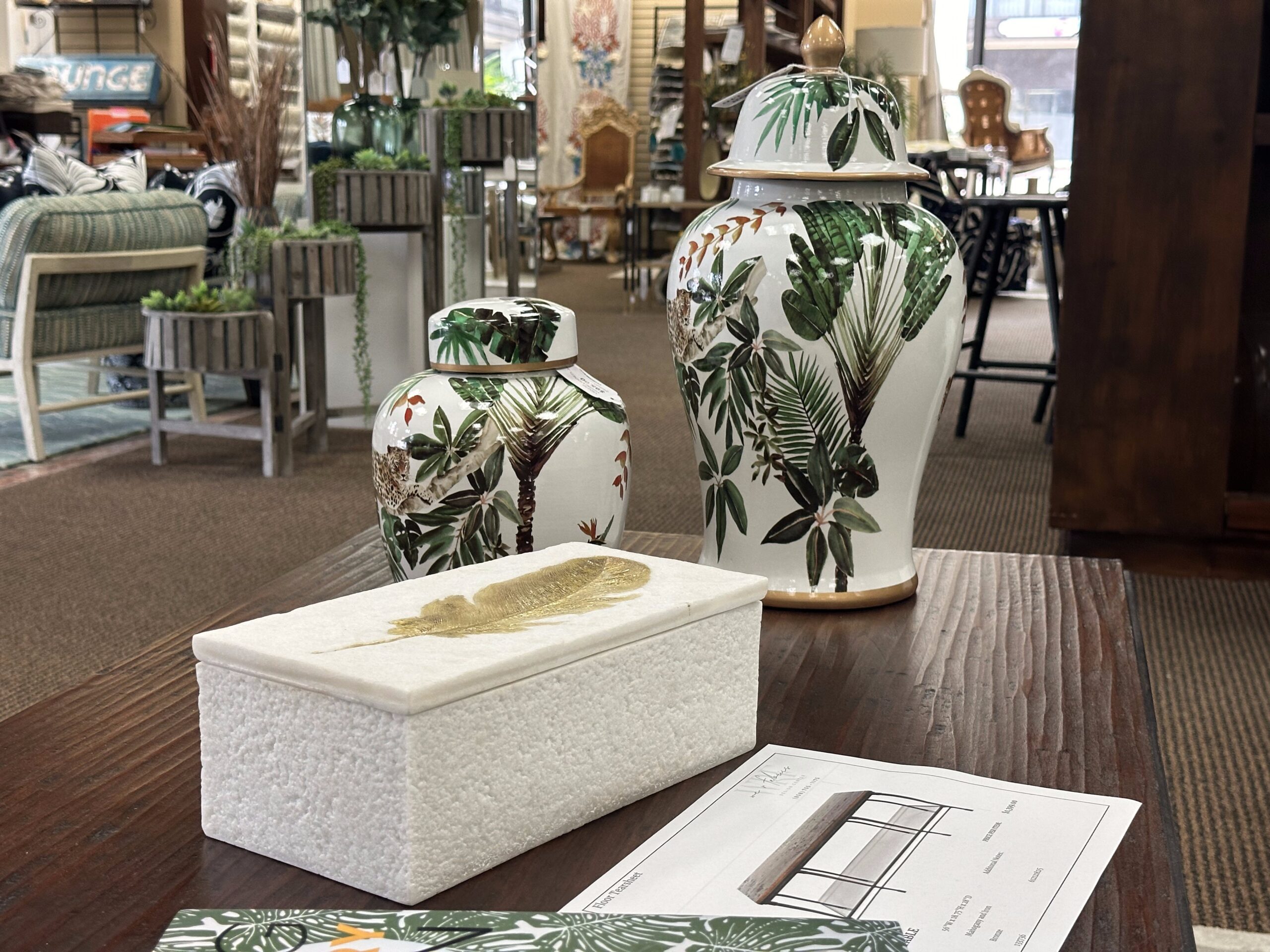
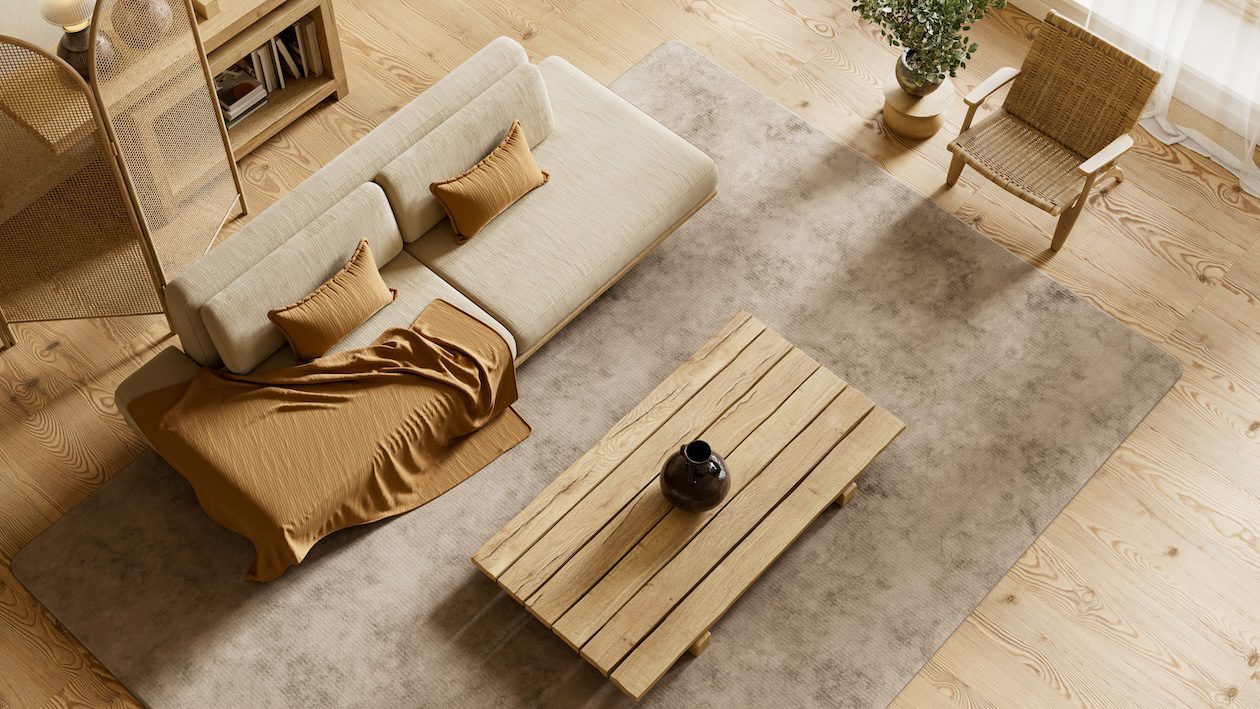
Neutral interiors dominate Southern California homes.
But while the palette is simple, the execution is not.
Some spaces feel warm, layered, and elevated. Others feel flat, unfinished, or overly minimal.
The difference is not color. It is texture.
In high-end coastal interiors, designers rely on material variation to create depth, contrast, and visual interest without disrupting a calm, neutral palette.
Why Neutral Rooms Can Fall Flat
Neutral spaces often miss the mark for one simple reason: everything feels too similar.
When surfaces are all smooth, tones are too closely matched, or materials lack variation, the room loses dimension.
Common issues include:
- Too many flat or uniform finishes
- Overuse of a single material, such as all linen or all wood
- Lack of contrast between soft and structured elements
Without contrast, even well-designed spaces can feel incomplete. For a deeper look at the finishing layers that make a space feel complete, see our guide to why your home doesn’t feel finished.
The Core Principle: Contrast Through Texture
Texture is what gives a neutral room life.
Instead of relying on color differences, designers build contrast through material variation.
This often comes down to simple pairings:
- Rough and smooth
- Matte and subtle sheen
- Structured and relaxed
These combinations create visual depth without adding visual noise.
The result is a space that feels calm, but never flat.
The Key Texture Categories Designers Use
Soft Textiles
Soft materials are where most layering begins.
Linen, boucle, cotton blends, and performance fabrics introduce softness and variation while maintaining a neutral look.
These are most commonly used in:
- Upholstery
- Pillows
- Cushions
For example, this guide on Patio-Proof Upholstery Fabrics That Laugh at Sun, Sand & Salt breaks down which materials actually perform well in coastal environments. Subtle differences in weave, thickness, and finish create depth without requiring color changes.
Natural Hard Materials
Hard materials ground the space and add contrast to softer elements.
White oak, walnut, stone, and ceramics bring structure and visual weight.
These materials prevent a room from feeling overly soft or undefined.
Woven and Organic Elements
Woven textures are essential in coastal interiors.
Baskets, cane, and jute rugs introduce a casual, organic layer that softens more structured materials.
They also reinforce the relaxed, indoor-outdoor lifestyle that defines Southern California design.
Subtle Contrast Pieces
A small amount of contrast goes a long way.
Leather accents, darker wood tones, and minimal metal finishes help break up a neutral palette without overwhelming it.
Used sparingly, these elements create just enough tension to keep the space visually interesting.
How to Layer Textures in Real Spaces
Living Room
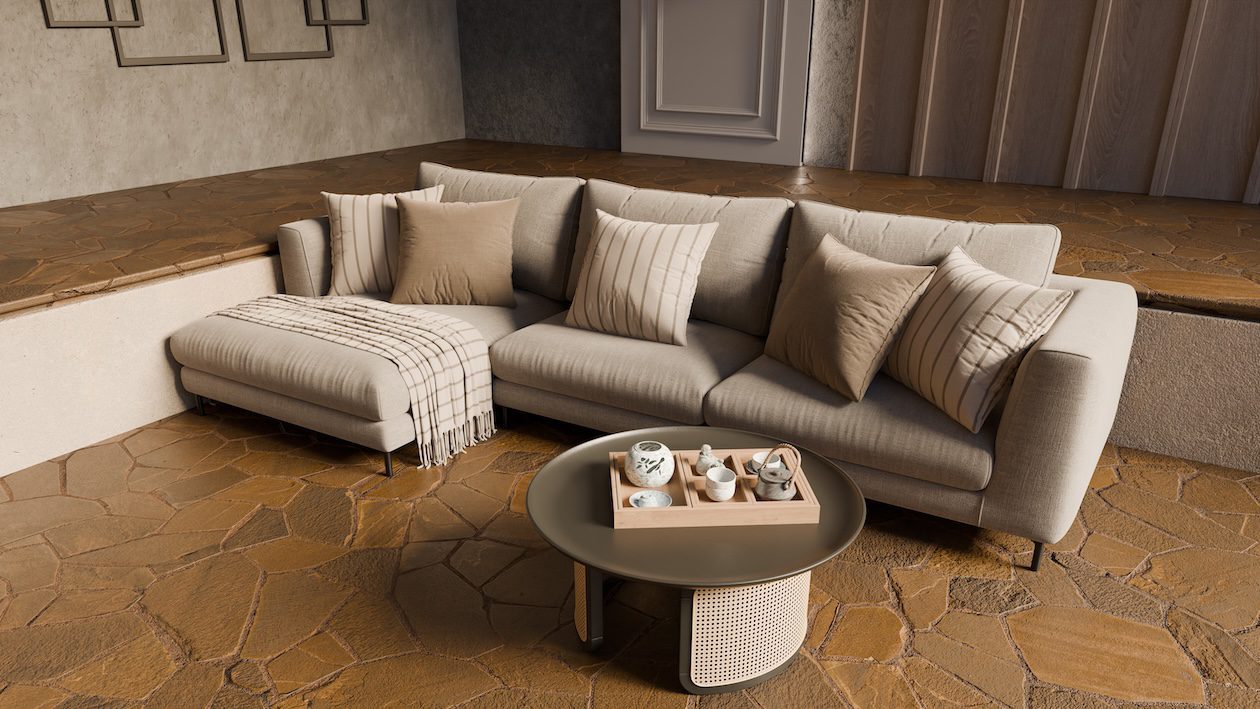
Start with a foundational piece, such as a linen or performance fabric sofa.
From there, layer in:
- Pillows in varying textures within the same color family. If you’re unsure how to size and layer them properly, this Ultimate Pillow Size Chart for Queen Beds, Sectionals & Window Seats can help you get the proportions right.
- A woven or natural fiber rug
- A mix of soft and structured materials throughout the space
The goal is cohesion with variation, not contrast through color.
Bedroom
Bedrooms rely heavily on textile layering.
An upholstered headboard, combined with layered bedding and varied fabrics, creates depth and comfort.
Mixing smooth cottons with heavier textures like boucle or quilted fabrics helps avoid a flat look.
Indoor-Outdoor Spaces
These areas require both texture and durability. Indoor-outdoor living continues to be a defining feature of residential design, especially in warm, coastal climates.
Performance fabrics, natural materials, and woven elements create continuity between interior and exterior spaces.
The layering approach remains the same, but materials must also withstand sun exposure and moisture.
Why Fabric Selection Is Everything
Fabric is one of the most effective tools for adding texture.
It is also one of the most overlooked.
The right fabric can elevate a space instantly. The wrong one can make even high-quality furniture feel flat.
Modern performance fabrics are especially valuable in coastal homes. Many are designed to mimic the look and feel of natural fibers while offering increased resistance to sun exposure, moisture, and everyday use.
Because textiles appear across multiple elements in a room, from upholstery to pillows to drapery, they play a central role in how the space ultimately feels.
Common Mistakes to Avoid
Even with the right palette, a few missteps can undermine the entire look.
- Matching everything too closely
- Relying on a single texture type
- Adding color instead of fixing texture issues
- Ignoring scale by using only small or subtle textures
A successful neutral space depends on variation, not uniformity.
How to Get the Look Right
Creating a layered neutral space does not require complexity, but it does require intention.
Start with a simple foundation and build from there:
- Choose a neutral base palette
- Layer three to four distinct textures
- Keep tones consistent while varying materials
- Focus on how the space feels, not just how it looks
Small changes in material selection can have a significant impact.
Where WRF Design Center Fits In
Achieving the right balance of textures often comes down to access and expertise.
WRF Design Center offers a curated selection of fabrics designed specifically for coastal living, along with custom upholstery solutions that allow for precise control over material combinations.
From layered pillows and cushions to tailored upholstery and drapery, the focus is on helping homeowners create spaces that feel cohesive, elevated, and built for everyday use.
Creating a Layered Neutral Home That Actually Feels Finished
The most successful Southern California interiors do not rely on bold colors.
They rely on texture, material variation, and thoughtful layering to bring depth and warmth into the space.
But getting that balance right is where most spaces fall short. It is not just about adding more pillows or mixing a few materials. It is about selecting the right fabrics, combining textures intentionally, and making sure everything works together as a cohesive whole.
WRF Design Center helps simplify that process. With a curated fabric library, custom upholstery capabilities, and guidance on layering textiles across a space, WRF makes it possible to create neutral interiors that feel complete, not flat.
From sofas and cushions to drapery and finishing details, every material choice contributes to the overall feel of the room. When those choices are made with intention, the result is a space that feels elevated, comfortable, and designed to last.
Frequently Asked Questions
How do you add depth to a neutral interior design without using color?
Depth in neutral interior design comes from layering different textures rather than adding more colors. By combining materials like linen, wood, boucle, and woven textiles, you can create contrast and visual interest while maintaining a cohesive color palette.
What are the best textures for creating a California casual interior design?
California casual interior design relies on a mix of soft textiles, natural materials, and organic elements. Linen upholstery, textured pillows, wood finishes, and woven rugs all work together to create a relaxed, layered look that feels warm and inviting.
Why do neutral rooms sometimes feel flat or unfinished?
Neutral rooms often feel flat when they lack contrast in materials. Using too many similar surfaces, textures, or finishes can remove visual depth. Incorporating a variety of textures, subtle patterns, and different material scales helps create a more balanced and complete interior.

 Pursu Agency