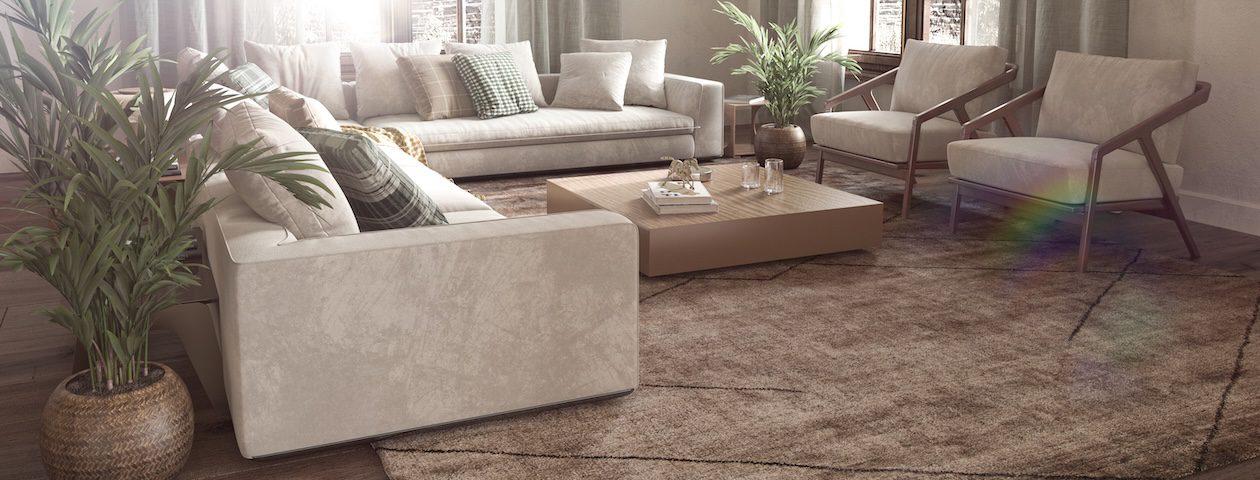
Sunny coastal homes are one of the defining features of life in Southern California. Large windows, open-concept layouts, disappearing sliders, and bright indoor-outdoor spaces create homes that feel relaxed, airy, and connected to the environment. But all that natural light changes how upholstery fabric performs over time.
In many homes throughout WRF Design Center’s service area, fabric selection is not simply about choosing a color or pattern that looks good in the showroom. The best upholstery fabric for coastal homes must balance sunlight exposure, texture, durability, comfort, and long-term performance while still supporting the refined look of California casual interiors.
For homeowners searching for upholstery fabric in San Diego or a trusted custom fabric store, understanding how fabrics behave in bright coastal rooms can help prevent fading, premature wear, and design decisions that feel dated too quickly.
Why Sunny Coastal Rooms Need a Different Fabric Strategy
Southern California homes receive intense natural light year-round. Rooms with oversized windows, ocean-facing exposure, skylights, or retractable glass walls often experience higher levels of UV exposure than many interiors in less sun-intensive climates.
That sunlight affects upholstery fabric in several ways:
- Color fading
- Fiber weakening
- Uneven discoloration
- Texture breakdown
- Dryness and brittleness over time
A fabric that looks beautiful initially may begin fading within a few years if it was not designed for bright environments. Coastal homes may also experience additional environmental stressors beyond sunlight, including:
- Salt air and coastal moisture
- Moisture and humidity
- Sand
- Sunscreen and oils
- Wet swimwear
- Indoor-outdoor entertaining
- Pets and children moving between patio and living spaces
This is why experienced coastal designers evaluate much more than appearance when selecting interior design fabrics.
Start With How the Room Is Actually Used
One of the biggest mistakes homeowners make is choosing upholstery fabric based only on aesthetics. A formal sitting room used a few times per year has completely different performance requirements than a daily-use great room where kids, pets, guests, and outdoor traffic move through constantly.
Designers typically begin with practical questions:
- Who uses the space every day?
- Does the room connect directly to a patio or pool?
- Is the furniture exposed to afternoon sun?
- Are pets regularly on the furniture?
- Does the homeowner entertain frequently?
- Will the room be used seasonally or daily?
In coastal Southern California homes, indoor-outdoor living changes the durability conversation significantly. Open sliders, patio traffic, damp towels, sunscreen residue, food, and drinks all increase upholstery wear. This is why many designers now recommend performance upholstery fabric even in high-end custom interiors.
Look for UV Resistance and Fade Resistance
Not all fabrics are built to handle bright coastal rooms. Some natural fibers and lower-grade textiles can fade quickly when exposed to direct sunlight near large windows or bright great rooms. Even expensive fabrics may discolor unevenly if UV resistance was not part of the selection process.
For homes throughout San Diego County, fade resistance is often an important factor in long-term upholstery performance. Many homeowners exploring coastal upholstery fabric options are surprised to learn how dramatically UV exposure can affect textile longevity over time. Brands specializing in solution-dyed and performance materials, such as Sunbrella Performance Fabrics, have helped push fade-resistant fabric technology far beyond traditional outdoor-only applications.
Solution-Dyed and Performance Fabrics Often Perform Better
Many modern performance upholstery fabrics are specifically engineered for higher UV resistance and durability. Solution-dyed fabrics, for example, are colored before the fibers are woven into fabric, which often improves fade resistance. This process often improves fade resistance because the color penetrates the material more completely.
Performance fabrics may also offer benefits such as:
- Improved stain resistance
- Easier cleaning
- Better moisture resistance
- Increased durability
- Stronger resistance to everyday wear
The biggest misconception is that performance fabric feels overly synthetic or commercial. Modern coastal upholstery fabric options are often soft, textured, woven, and visually refined. Many mimic the appearance of linen, cotton, boucle, or other natural textiles while offering significantly better long-term performance.
For homeowners exploring Patio-Proof Upholstery Fabrics, many of the same durability principles also apply to sunny indoor spaces.
Balance Durability With Texture and Comfort
One reason California casual interiors feel warm and elevated is the heavy use of texture. In many coastal minimalist homes, the color palette itself remains intentionally restrained. Instead of relying on bold contrast, designers create depth through layered materials and tactile variation. This is where upholstery fabric becomes one of the most important design tools in the room.
Texture Helps Neutral Rooms Feel Layered
Warm whites, oatmeals, sand tones, taupes, muted grays, and soft earth tones are common throughout coastal Southern California interiors. Without texture, these palettes can feel flat.
Designers often use:
- Woven fabrics
- Slub textures
- Boucle-inspired surfaces
- Linen-look textiles
- Tonal patterns
- Mixed material layering
These subtle variations help spaces feel more relaxed, organic, and visually complete. This approach aligns closely with the principles behind California Casual interiors, where comfort and refinement work together rather than competing.
Think About Color, Pattern, and Scale in Bright Rooms
Natural light changes how fabric colors appear throughout the day. A fabric that feels warm and soft in a showroom may appear much brighter or cooler once installed in a sun-filled coastal room. This is why designers often evaluate upholstery samples directly in the home before making final selections.
Light Neutrals Need the Right Material
Light upholstery remains extremely popular in coastal interiors, but the material itself matters just as much as the color.
For example:
- Stark whites may feel harsh in extremely bright rooms
- Flat solid fabrics can sometimes show wear or discoloration more visibly over time
- Highly delicate weaves may show discoloration unevenly
Instead, designers often lean toward:
- Warm ivory
- Oatmeal
- Sand
- Mushroom
- Greige
- Textured neutrals with tonal variation
These fabrics tend to age more gracefully in bright environments.
Pattern Should Support the Room, Not Overpower It
In California casual and coastal minimalist homes, restraint is usually intentional.
Rather than large bold prints, many designers prefer:
- Subtle stripes
- Small-scale woven patterns
- Tonal texture
- Organic visual movement
- Soft geometric repetition
These choices help upholstery coordinate naturally with rugs, stone, wood tones, window treatments, and outdoor views without visually overwhelming the room.
Match the Fabric to the Furniture Piece
Different furniture pieces experience different levels of wear. A primary family-room sofa usually requires far more durability than decorative pillows or accent chairs.
Designers often approach upholstery strategically:
| Furniture Piece | Typical Fabric Priorities |
|---|---|
| Main sofa | Durability, fade resistance, cleanability |
| Dining chairs | Stain resistance, texture, easy maintenance |
| Accent chairs | Comfort, texture, visual interest |
| Pillows | Layering, softness, pattern, detail |
| Bench cushions | Moisture resistance, durability |
| Sectionals | Performance, comfort, longevity |
This is one reason custom upholstery fabric offers more long-term flexibility than buying mass-produced furniture. Custom upholstery allows designers to tailor fabric selections specifically to how the room functions and how the furniture will actually be used.
Homeowners interested in deeper material specifications can also review Rub Count, Fade Grade, and Other Specs That Matter to better understand performance ratings.
Ask Better Questions Before Choosing Fabric
The best fabric decisions usually come from asking better questions before ordering furniture or upholstery.
Where Does the Sun Hit the Room?
Morning and afternoon sunlight affect fabrics differently.
Designers often evaluate:
- Window direction
- Seasonal sun exposure
- Reflection from water or light flooring
- Direct UV intensity during peak hours
A room that feels manageable in winter may receive extremely strong afternoon light during summer months.
Who Uses the Space Every Day?
Lifestyle matters just as much as design style.
A home with:
- Children
- Pets
- Frequent guests
- Vacation renters
- Pool traffic
- Regular entertaining
will typically benefit from different fabric selections than a lower-traffic formal interior.
Does the Fabric Connect to the Overall Design Plan?
Upholstery should not feel isolated from the rest of the home.
Experienced designers coordinate upholstery fabric with:
- Rugs
- Window treatments
- Cabinet finishes
- Flooring
- Wood tones
- Stone materials
- Outdoor furnishings
- Lighting
- Paint colors
This layered approach creates the cohesive, effortless feeling many homeowners want from coastal interiors. For homeowners exploring custom upholstery fabric in San Diego County, working with an experienced custom fabric store can make the selection process significantly more intentional and tailored to the architecture of the home.
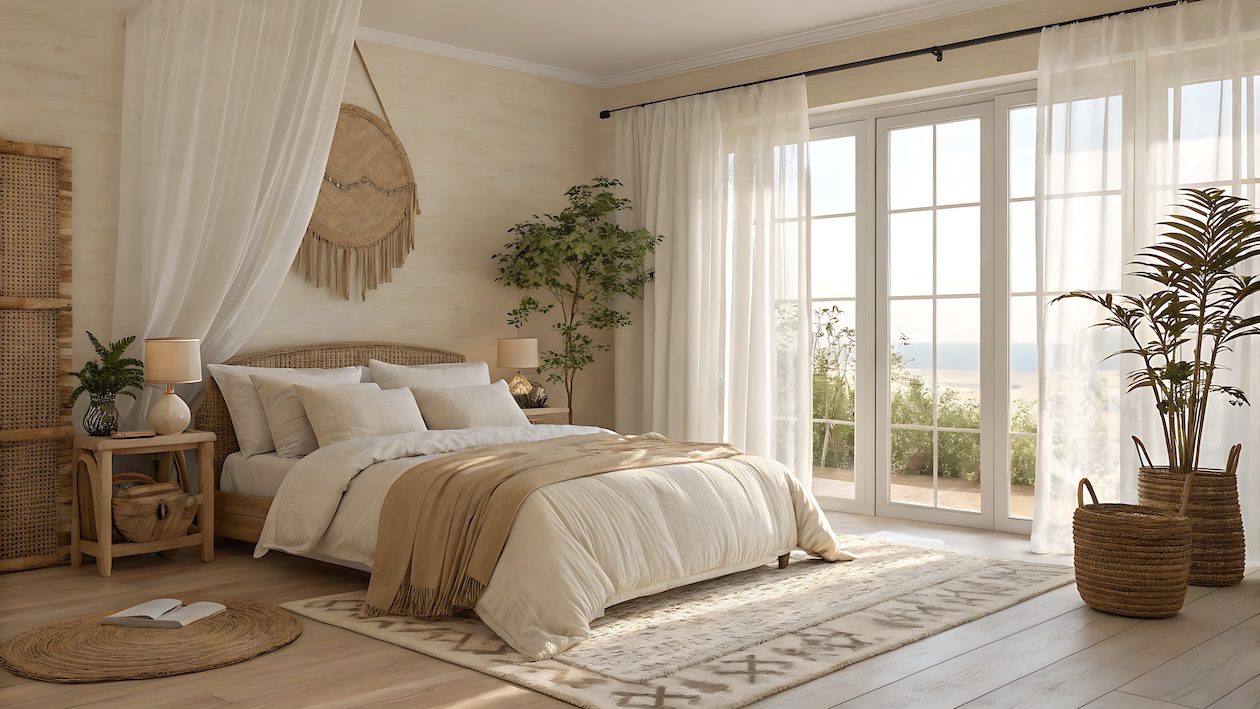
The Right Fabric Makes Sunny Coastal Rooms Feel Effortless
The best coastal interiors balance durability, comfort, texture, and long-term performance without sacrificing softness or style.
At WRF Design Center, upholstery fabric selection is approached as part of a complete coastal design strategy. Through custom upholstery, curated performance fabrics, and Southern California design expertise, WRF helps homeowners create spaces that feel refined, livable, and built for everyday coastal living.
Frequently Asked Questions
What is the best upholstery fabric for sunny rooms?
The best fabric for sunny rooms is typically a fade-resistant performance fabric designed to handle UV exposure, daily wear, and long-term use. In coastal Southern California homes, solution-dyed and performance upholstery fabrics often perform better than delicate untreated textiles.
Does sunlight damage upholstery fabric over time?
Yes. Direct sunlight can cause fading, fiber breakdown, uneven discoloration, and premature wear. Homes with large windows, sliding glass doors, and ocean-facing exposure often require more durable upholstery fabric selections.
Can performance upholstery fabric still feel soft and luxurious?
Absolutely. Modern performance upholstery fabric is available in soft woven textures, linen-look finishes, boucle-inspired styles, and elevated designer textiles that fit California casual and coastal interiors.

 Pursu Agency