Coastal living rooms are designed to feel relaxed, airy, and effortless, but achieving that balance is often more technical than homeowners expect. A room can feature beautiful furniture, expensive materials, and natural light yet still feel visually uncomfortable if the proportions are not working together.
In many Southern California homes, especially open-concept layouts and great rooms, scale plays a major role in how calm and cohesive the space feels. Furniture that is too small, rugs that do not properly anchor the seating area, or pillows that feel disproportionate to the seating can make even high-end interiors feel disconnected and unfinished.
Design publications like Architectural Digest frequently emphasize that proportion and visual balance are some of the most important factors in creating comfortable, elevated interiors.
This is one reason professional designers focus so heavily on proportion. In successful coastal living room design, every element relates to the architecture around it, including ceiling height, window size, traffic flow, and the connection between indoor and outdoor spaces.
The relaxed feeling associated with California casual interiors is rarely accidental. It comes from carefully balancing visual weight, spacing, texture, and comfort so the room feels layered without becoming cluttered.
Why Scale Matters More Than Most Homeowners Realize
A coastal living room can have beautiful furniture, layered textures, and high-end finishes yet still feel visually uncomfortable. In many cases, the problem is not the style itself. It is the scale.
In coastal homes throughout Southern California, especially in open-concept layouts and great rooms, proportion has an enormous impact on how the space feels. When furniture, rugs, pillows, or window treatments are undersized or disconnected from the architecture, the room can feel unfinished, awkward, or visually noisy even when every individual piece is attractive.
Strong coastal living room design depends on balance. Designers evaluate how furniture relates to ceiling height, natural light, circulation paths, windows, and adjacent outdoor spaces before selecting fabrics or finishes. This is especially important in a relaxed California casual living room, where restraint and proportion matter more than excessive decoration.
In many interior design San Diego projects, the most successful rooms are not necessarily filled with more furniture. They simply use the right scale more intentionally.
Designers Read the Room Before Choosing the Pieces
Professional designers rarely start with furniture styles alone. They first evaluate the structure and visual weight of the room itself.
That includes:
- Ceiling height
- Window placement
- Amount of natural light
- Room width and depth
- Architectural symmetry
- Traffic flow
- Indoor-outdoor sightlines
- Relationship to patios, sliders, and exterior living spaces
This is one reason many homeowners struggle to recreate elevated coastal interiors using only standard showroom furniture. Pieces may technically fit the room but still feel visually too small, too bulky, or disconnected from the architecture.
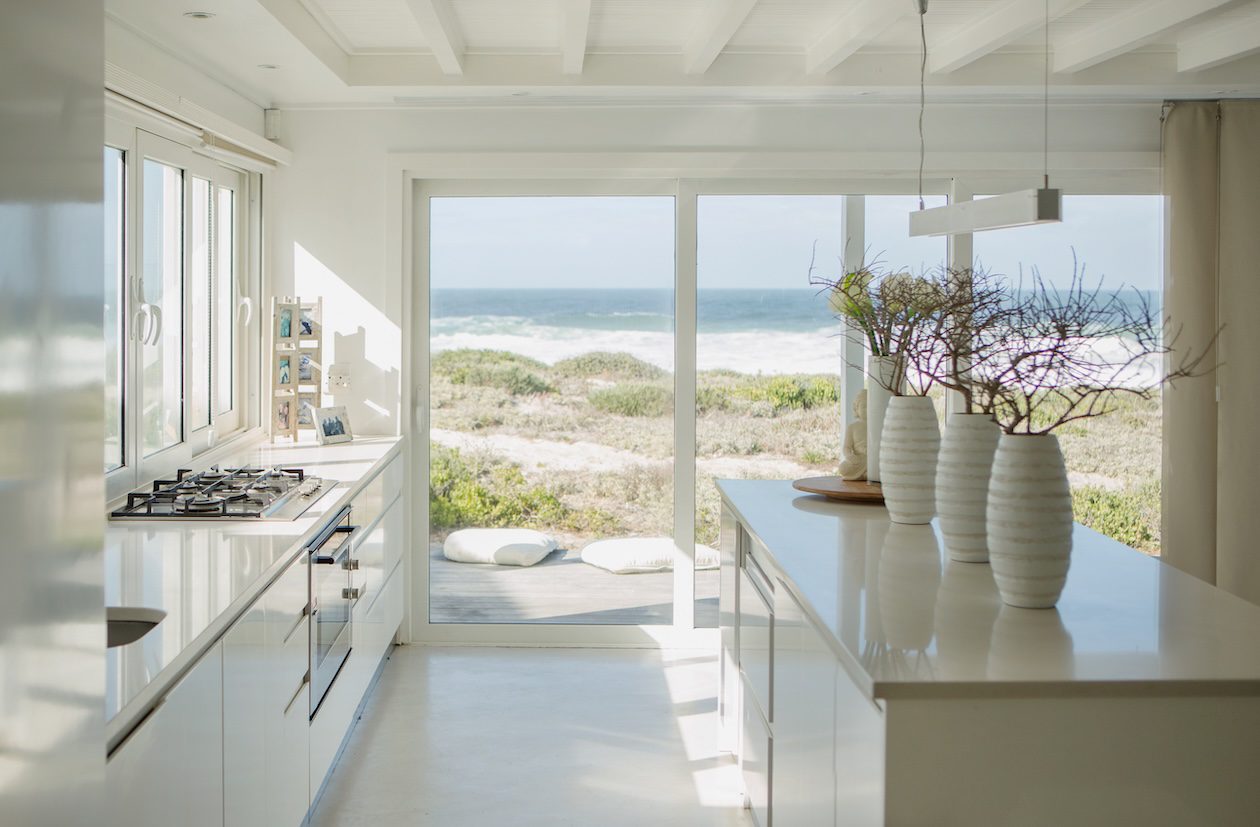
In areas like interior design Solana Beach projects, where homes often feature large windows, expansive openings, and indoor-outdoor living, scale becomes even more important because the room must visually compete with natural light and exterior views.
Mistake 1: Choosing a Sofa That Is Too Small for the Room
Large Coastal Rooms Need Visual Weight
One of the most common scale problems in coastal interiors is using a sofa that lacks enough visual presence for the room.
Open floor plans and great rooms frequently require deeper seating, longer silhouettes, or larger sectional configurations to properly anchor the space. Smaller sofas can feel disconnected when paired against tall ceilings, oversized sliders, or wide living areas.
This often happens because homeowners focus primarily on keeping the room airy and minimal. But California casual interiors still require enough scale to feel grounded and intentional.
Custom Upholstery Can Solve Awkward Sizing Problems
This is where custom upholstery becomes especially valuable.
Custom dimensions allow seating to feel proportionate to the room rather than forcing the room to adapt to standard furniture sizing. Details like cushion depth, arm width, seat height, and upholstery silhouette all influence whether the room feels balanced.
Fabric selection matters as well. Larger rooms often benefit from upholstery fabrics with texture and subtle visual weight, since overly flat or lightweight materials can sometimes feel visually lost within expansive spaces. In sunny Southern California homes, durable, fade-resistant upholstery fabric San Diego selections also help maintain consistency over time.
Mistake 2: Using a Rug That Does Not Anchor the Seating Area
Small Rugs Make Furniture Feel Disconnected
Few design mistakes make a room feel smaller or more unfinished than an undersized rug.
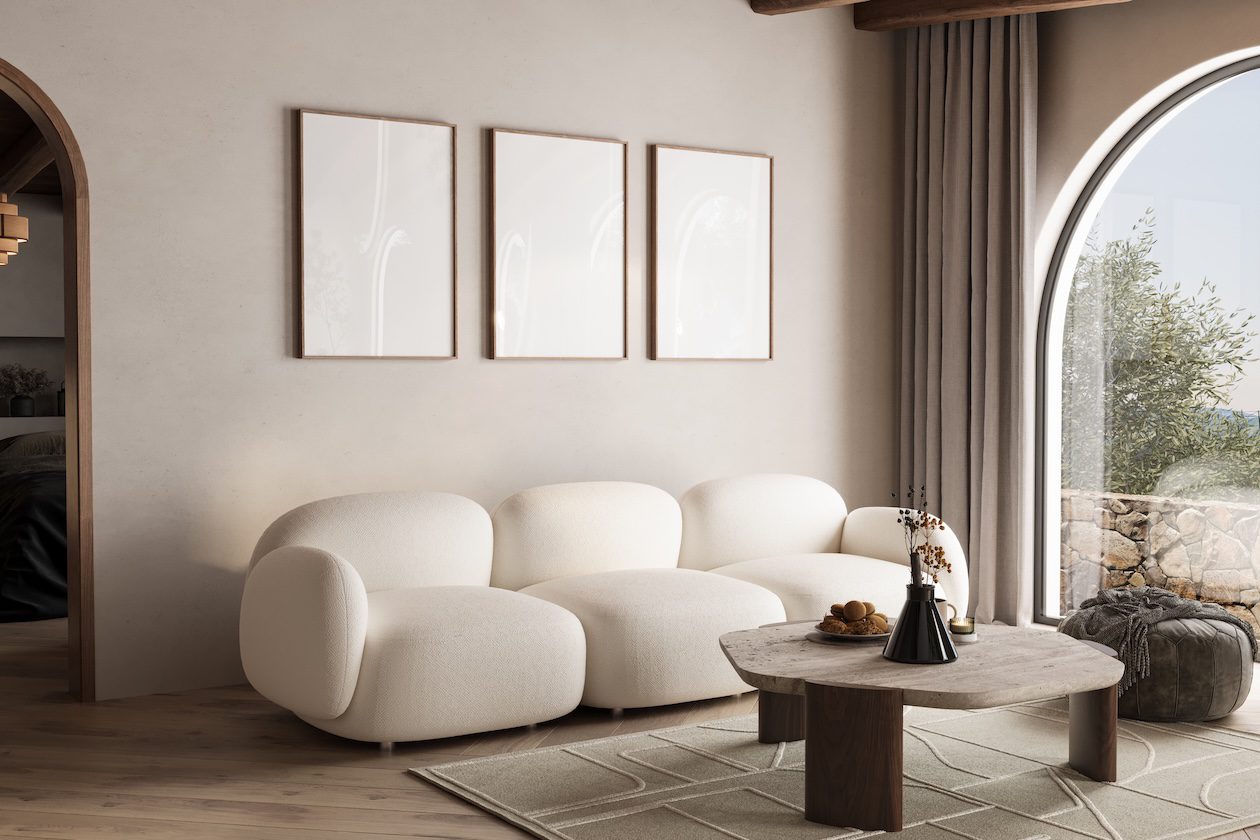
In many coastal living rooms, rugs should visually connect the entire conversation area rather than float beneath only the coffee table. When rugs are too small, furniture appears disconnected and the room loses cohesion.
In many living rooms, front furniture legs should typically rest on the rug. Larger rooms may benefit from fully anchored seating arrangements.
Rug Scale Affects How Finished the Room Feels
Rug sizing has a major impact on whether a room feels intentional or fragmented. In coastal interiors, rugs often help soften large expanses of flooring while adding warmth and texture to neutral palettes.
For homeowners unsure about sizing, WRF’s Choosing the Right Rug Size guide can help clarify how rugs should relate to furniture layouts and room dimensions.
Natural materials, tonal variation, and subtle texture layering also support the relaxed sophistication that defines coastal interior design.
Mistake 3: Picking Pillows That Are Too Small or Too Similar
Pillow Size Should Match the Furniture Scale
Small pillows on oversized seating can make even expensive furniture feel underdesigned.
Larger sofas generally require larger pillow inserts to maintain proportion. Undersized pillows visually disappear against deep seating and can unintentionally make the furniture itself feel oversized and awkward.
Layered Pillows Should Vary in Size, Texture, and Shape
Well-designed coastal interiors typically layer pillows with intentional variation.
That may include:
- Different scales
- Mixed textures
- Contrasting fabrics
- Lumbar shapes
- Subtle tonal differences
This layered approach helps create depth without visual clutter.
In many custom pillows San Diego projects, custom sizing allows designers to better match the scale of sectionals, benches, and accent seating while maintaining the softer, relaxed feel associated with California casual design.
Texture also matters. Linen blends, boucle, woven fabrics, and performance textiles can all help add dimension without overwhelming the room.
Mistake 4: Ignoring Coffee Table and Accent Table Proportions
Tables Should Relate to the Seating Layout
Coffee tables and accent tables should feel connected to the furniture surrounding them.
A table that is too small can feel visually lost, while a table that is too large for the seating layout can interrupt circulation and make the room feel crowded.
Designers typically evaluate:
- Sofa length
- Seating depth
- Walking clearance
- Table height
- Visual weight
- Material finish
The goal is to maintain both comfort and proportion throughout the room.
Too Many Small Pieces Can Create Visual Clutter
One common issue in coastal homes is relying on too many small accent pieces instead of fewer pieces with stronger presence.
California casual interiors generally feel calmer when materials and scale are simplified. Larger coffee tables, substantial ottomans, or more architectural side tables often create a cleaner visual rhythm than multiple smaller accessories competing for attention.
This is especially important in rooms already filled with natural light, layered textures, and outdoor views.
Mistake 5: Treating Window Treatments as an Afterthought
Window Treatments Change the Perceived Height and Softness of a Room
Window treatments have a major influence on how large, soft, and finished a living room feels.
In coastal interiors, drapery placement can visually increase ceiling height, soften architecture, and balance large expanses of glass.
Important details include:
- Mounting height
- Panel width
- Fullness
- Fabric weight
- Length
- Hardware scale
Undersized drapery panels can make large windows feel visually disconnected from the room.
Large Windows Need Treatments That Feel Intentional
In sunny San Diego homes, oversized sliders and expansive windows often dominate the architecture. Window treatments should support the scale of those openings while still maintaining the relaxed simplicity associated with coastal interiors.
Lighter fabrics can help preserve natural light, while textured materials add softness and dimension without feeling heavy.
The goal is not excessive formality. It is visual balance.
Mistake 6: Forgetting the Relationship Between Indoor and Outdoor Spaces
Coastal Rooms Often Borrow Scale From the Patio or View
Many Southern California homes blur the line between interior and exterior living. Because of this, living rooms are often visually connected to patios, pools, decks, or outdoor lounges.
If the interior furniture feels significantly smaller or visually lighter than the adjacent outdoor environment, the room can feel imbalanced.
Designers often account for:
- Outdoor furniture scale
- Architectural openings
- Patio materials
- View corridors
- Ceiling continuity
- Flooring transitions
Indoor-Outdoor Flow Requires Consistent Proportion
Strong coastal interiors typically maintain consistency between indoor and outdoor visual weight.
That does not mean matching furniture exactly. It means creating continuity through:
- Similar proportions
- Related textures
- Coordinated upholstery fabrics
- Complementary pillows
- Balanced color palettes
This layered continuity helps coastal homes feel calm, cohesive, and naturally connected to their surroundings.
How To Fix Scale Problems Without Starting Over
Keep the Best Pieces and Adjust the Supporting Layers
Many scale problems can be corrected without replacing an entire room.
Often, strategic updates make the biggest difference:
- Larger pillows
- Better rug sizing
- Adjusted furniture layouts
- New window treatments
- More substantial coffee tables
- Updated upholstery fabrics
- Revised cushion proportions
These smaller adjustments can dramatically improve visual balance.
Use Custom Pieces Where Standard Sizes Fall Short
Custom solutions become especially valuable when architecture creates unusual proportions.
Custom furniture design allows homeowners to tailor dimensions, seating depth, fabric scale, and silhouettes specifically to the room rather than compromising around standard retail sizing.
Similarly, custom upholstery and tailored pillows help solve proportion issues that mass-produced furnishings often cannot address effectively.
 Good Scale Is What Makes Coastal Design Feel Effortless
 Good Scale Is What Makes Coastal Design Feel Effortless
The best coastal interiors rarely feel accidental.
What makes a room feel calm, elevated, and comfortable is usually not a single material or furniture piece. It is the relationship between scale, proportion, texture, light, and restraint.
That balance is what gives a coastal interior design project its effortless feeling.
At WRF Design Center, custom upholstery, tailored furniture solutions, curated fabric selections, and thoughtful interior design guidance are approached as part of a larger design experience. By carefully balancing comfort, proportion, texture, and indoor-outdoor flow, coastal living rooms can feel more cohesive, refined, and naturally connected to the way Southern California homes are meant to live.
Frequently Asked Questions About Coastal Living Room Design
Why do some coastal living rooms feel visually “off” even with expensive furniture?
In many cases, the issue is scale rather than style. A room may have beautiful finishes and quality furniture, but if the sofa is too small, the rug does not properly anchor the seating area, or the furniture proportions do not match the architecture, the space can feel disconnected and unfinished.
What size rug works best in a coastal living room?
Most coastal living rooms benefit from rugs that connect the entire seating arrangement rather than sitting only beneath the coffee table. At minimum, the front legs of the sofa and chairs should typically sit on the rug to help visually anchor the space.
How do custom pillows improve a California casual living room?
Custom pillows allow designers to adjust scale, shape, texture, and layering specifically for the furniture they are paired with. Larger sofas and sectionals often require larger pillows and more varied layering to maintain balance and create the relaxed look associated with California casual interiors.
Why is custom upholstery helpful in open-concept homes?
Open floor plans often require furniture dimensions that standard retail pieces cannot provide. Custom upholstery allows homeowners to tailor sofa depth, length, cushion scale, and fabric selection so furniture feels proportionate to the room and better connected to the overall coastal interior design.
How do window treatments affect room scale?
Window treatments influence how tall, soft, and balanced a room feels. Mounting drapery higher, using fuller panels, and selecting fabrics with the right weight can make ceilings appear taller while helping large windows feel more integrated into the living room design.
What defines a successful California casual living room?
A successful California casual living room balances comfort, restraint, texture, and proportion. Rather than relying on excessive decor, the style focuses on thoughtful furniture scale, layered natural materials, indoor-outdoor flow, and a calm, cohesive layout that feels both elevated and livable.

 Pursu Agency