Performance fabrics have become one of the most popular upholstery choices for today’s homes. Homeowners love their ability to resist stains, withstand everyday wear, and maintain their appearance even in busy households with children, pets, and frequent entertaining.
However, one of the biggest misconceptions about performance fabrics is that they all look and feel the same.
In reality, two fabrics can have nearly identical durability ratings, stain resistance, and cleaning performance while creating completely different impressions once installed on furniture. One may feel soft, layered, and sophisticated. The other may feel stiff, synthetic, or overly commercial.
Professional designers understand that selecting a performance upholstery fabric involves much more than reviewing technical specifications. Texture, weave, color depth, fiber appearance, and light interaction often determine whether a fabric feels luxurious or inexpensive.
Understanding these details can help homeowners make more informed decisions when selecting custom upholstery fabric for their homes.
Why Performance Upholstery Fabric Is About More Than Durability
Many homeowners begin shopping for performance fabrics by comparing durability metrics. While factors such as stain resistance, rub count, and fade resistance are important, industry durability testing standards help evaluate how fabrics perform over time.
A fabric may perform exceptionally well from a technical standpoint but still fail to create the warmth, comfort, and visual richness homeowners want.
Designers evaluate fabrics through both a functional and aesthetic lens. The goal is not simply finding a fabric that survives daily life. The goal is finding a fabric that enhances the overall design of the home while providing long-term performance.
The most successful performance upholstery fabric balances beauty and practicality equally.
The Importance Of Hand Feel And Comfort
One of the first things designers notice is hand feel.
Hand feel refers to the way a fabric feels when touched. Some performance fabrics feel remarkably soft and natural. Others feel rigid, slick, rough, or overly synthetic.
Higher-quality performance fabrics often mimic the comfort of linen, cotton, wool, or other natural materials while still delivering modern performance benefits.
This becomes especially important for upholstered furniture that people interact with every day. Sofas, sectionals, accent chairs, dining chairs, and custom cushions should feel inviting rather than overly commercial.
A fabric can have outstanding stain protection, but if it feels uncomfortable, homeowners may never truly love the finished piece.
How Texture Creates A More Luxurious Appearance
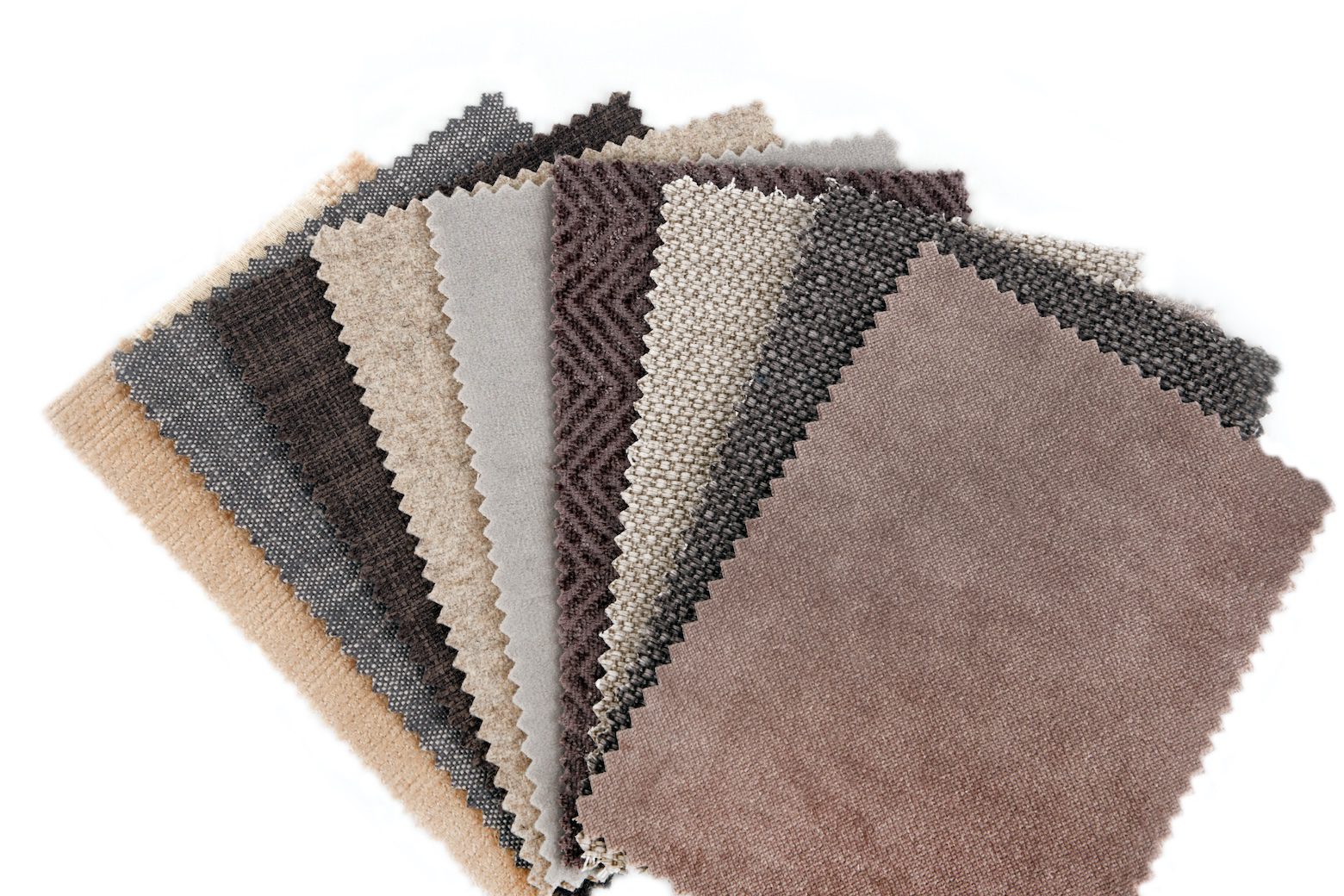
Texture is often what separates premium performance fabrics from less sophisticated options.
Flat fabrics can sometimes appear one-dimensional, especially when used on larger upholstered furniture pieces. Textured fabrics create visual movement and depth that help furniture feel more custom and refined.
Designers often look for subtle woven variations, layered yarns, boucle effects, slubs, or dimensional patterns that add character without overwhelming the room.
These details help create the relaxed sophistication often associated with California casual interiors.
Texture also influences how light moves across a fabric surface, creating additional depth that contributes to a richer overall appearance.
Why Colors Look Different Across Performance Fabrics
Not all colors appear the same from one fabric to another.
Two fabrics may technically share a similar color, yet one appears rich and dimensional while the other appears flat or lifeless.
The difference often comes from the weave structure, fiber composition, and dyeing process.
Premium performance fabrics frequently incorporate subtle variations within the weave that create depth and visual interest. As light changes throughout the day, these fabrics reveal layers of color that make furniture feel more dynamic and sophisticated.
Lower-quality fabrics often appear uniform and lack the complexity that designers seek when selecting upholstery.
How Light Influences Fabric Quality
Light plays a significant role in how fabric is perceived.
Designers rarely evaluate fabrics under a single lighting condition. Instead, they consider how the material will look during bright afternoons, evening hours, and changing seasonal light.
Many high-quality performance upholstery fabrics reflect light in a way that feels softer and more natural. Depending on the design intent, the surface may appear matte, textured, or subtly lustrous rather than overly shiny.
This is particularly important in Southern California homes where large windows, open floor plans, and indoor-outdoor living expose furniture to significant amounts of natural light.
A fabric that looks beautiful in a showroom may perform very differently once placed inside a sun-filled home.
Indoor Performance Fabric Versus Outdoor Fabric
Many homeowners are surprised to learn that indoor performance fabric and outdoor fabric are not always interchangeable.
Outdoor fabric is engineered to better withstand prolonged sun exposure, moisture, and environmental conditions than most indoor fabrics. Indoor performance fabric is designed to prioritize comfort, texture, and residential aesthetics while still offering exceptional durability.
Some outdoor performance fabrics successfully mimic indoor textiles, but designers carefully evaluate whether a specific application calls for indoor performance fabric, outdoor fabric, or outdoor performance fabrics designed for transitional living spaces.
Selecting the right material depends on how the furniture will be used and where it will be located within the home.
The Fiber Appearance Designers Notice Immediately
One detail that professionals immediately recognize is fiber appearance.
Higher-quality performance fabrics often use fibers and weaving techniques that more closely resemble the appearance and texture of natural materials. They may feel softer and display greater visual depth than lower-quality alternatives.
Lower-quality fabrics can sometimes appear overly shiny, plastic-like, or manufactured.
This distinction becomes more noticeable as furniture size increases. Large sofas and sectionals expose more fabric surface area, making any artificial appearance easier to spot.
When selecting custom upholstery fabric, designers pay close attention to how fibers contribute to the overall character of the piece.
Why Upholstered Furniture Deserves Better Fabric Selection
Custom upholstered furniture represents a significant investment.
Whether homeowners are reupholstering a cherished family piece or designing entirely new upholstered furniture, the fabric selection will have a major impact on the finished result.
The right performance fabric enhances comfort, appearance, durability, and long-term satisfaction. The wrong fabric can make even well-built furniture feel disappointing.
This is why professional fabric selection focuses on far more than stain protection alone.
Choosing Performance Fabrics For Your Home
The best performance fabrics support the way a family lives while contributing to the overall design vision of the home.
Factors such as room function, lighting conditions, furniture style, texture preferences, color palette, and maintenance expectations all influence the ideal selection.
Rather than viewing performance fabrics as a purely practical choice, designers see them as one of the most important design elements within a space.
When chosen thoughtfully, performance fabrics can deliver both exceptional durability and elevated design.
Explore Designer-Selected Fabrics At WRF Design Center
At WRF Design Center, fabric selection goes far beyond comparing durability specifications. Our team helps homeowners evaluate performance fabrics based on texture, comfort, appearance, lifestyle needs, lighting conditions, and overall design goals.
Whether you’re selecting custom upholstery fabric for a single chair, furnishing an entire room, or designing a whole-home interior, our experienced designers guide you through thousands of carefully curated options. From performance upholstery fabric and outdoor upholstery solutions to custom furniture, custom cushions, and complete interior design services, every recommendation is tailored to your home and the way you live.
If you’re searching for upholstery fabric San Diego homeowners trust, visit WRF Design Center to explore designer-selected collections, discover premium performance fabrics, and create a home that feels as beautiful as it functions.
Frequently Asked Questions About Performance Fabrics
Do performance fabrics always feel synthetic?
No. Many premium performance fabrics are designed to replicate the softness and texture of natural fibers. Many higher-quality options can feel very similar to traditional upholstery fabrics while still providing stain resistance and durability.
What is the difference between indoor performance fabric and outdoor fabric?
Indoor performance fabric prioritizes comfort, texture, and residential aesthetics while offering enhanced durability. Outdoor fabric is engineered to withstand direct sunlight, moisture, and environmental exposure. The best choice depends on where the furniture will be used.
Does WRF Design Center offer fabric selection services and a fabric shop?
Yes. WRF Design Center offers professional design guidance, access to extensive fabric collections, custom upholstery services, custom furniture solutions, and a showroom experience that helps homeowners confidently select fabrics for every room in the home.

 Pursu Agency