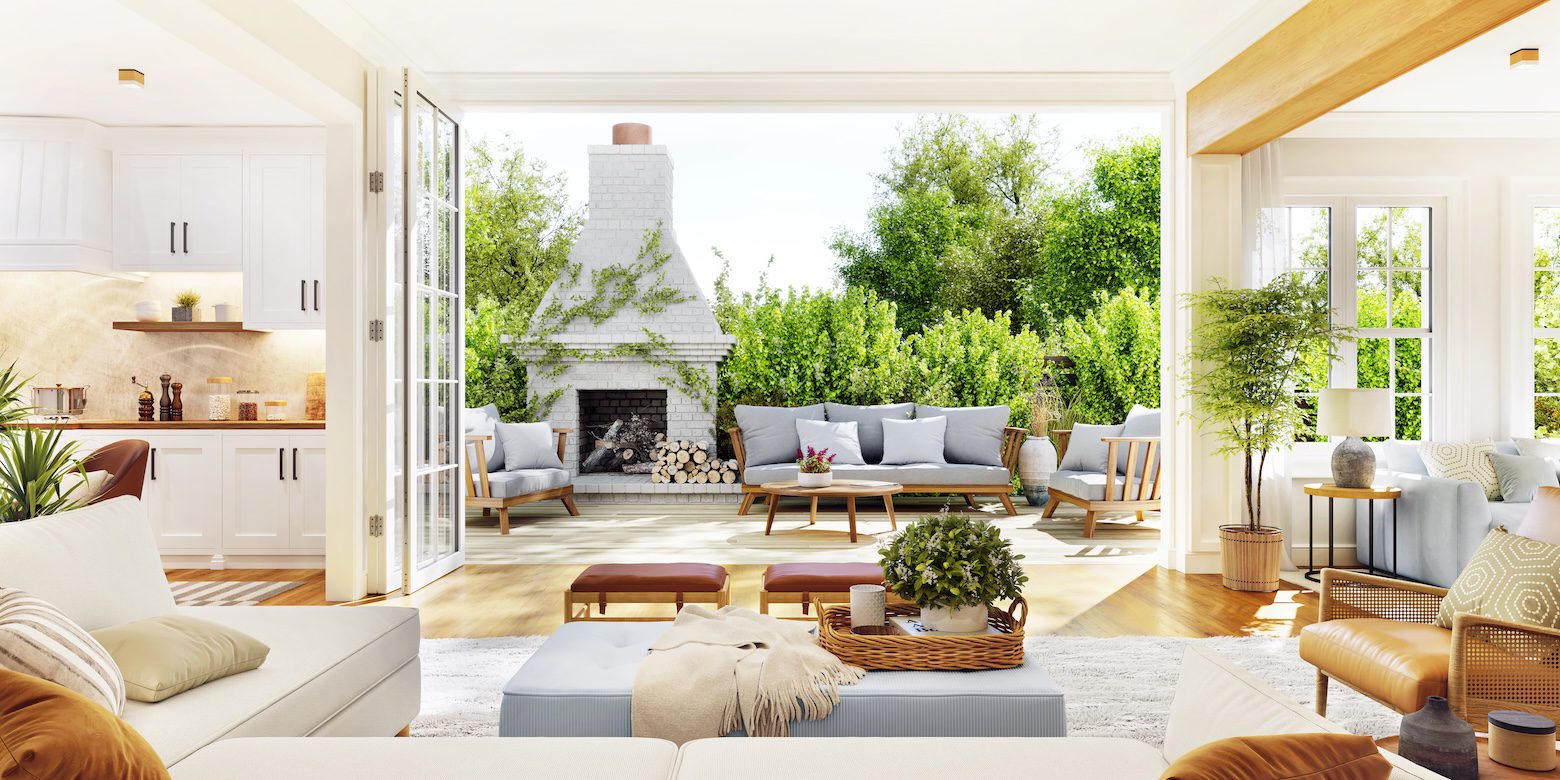
Open floor plans have become one of the most common features of contemporary Southern California homes. Large living spaces that combine kitchens, dining areas, family rooms, and outdoor entertaining zones create an airy atmosphere while maximizing natural light and flexibility. They also support the indoor-outdoor lifestyle that many homeowners want when designing a California home.
Yet despite their popularity, open floor plan design is often much harder than homeowners expect.
Many people assume that fewer walls automatically make decorating easier. In reality, open-concept spaces are among the most challenging rooms to design well. Without careful planning, even beautiful furniture, expensive finishes, and high-end renovations can leave a space feeling disconnected, cluttered, or awkward.
The challenge usually isn’t the furniture itself. It’s how every element works together within one large visual environment.
Why Open Floor Plan Design Creates Unique Challenges
Traditional homes naturally separate activities into individual rooms. The dining room serves one purpose, the living room serves another, and the kitchen functions independently.
In an open floor plan, those spaces must coexist within a single environment. The kitchen, dining room, family room, and sometimes even outdoor living areas all become part of one larger composition. Each space needs its own identity while still contributing to a cohesive overall design.
This balancing act is why many homeowners feel like their open concept living room never quite comes together. If every area looks identical, the home can feel flat and uninspired. If every space feels different, the home can appear fragmented. Successful open floor plan design creates distinction without separation.
Open Concept Living Room Layout Mistakes Homeowners Commonly Make
Furniture placement becomes significantly more important when walls are removed. One of the most common mistakes is pushing all furniture against the perimeter of the room. While homeowners often believe this makes the space feel larger, it usually creates oversized empty areas in the center while making seating groups feel disconnected.
A successful living room layout uses furniture to define spaces. Sofas can separate the living room from the dining area. Accent chairs can establish conversation zones. Console tables, rugs, and lighting help create visual boundaries without interrupting openness. Every furniture piece must serve both a functional and visual purpose within the overall floor plan.
Sightlines Matter in Every Open Concept Living Room
One of the defining characteristics of an open concept living room is visibility. From almost any location, multiple spaces can be seen simultaneously. Someone standing at the kitchen island may see the dining room, living room, entryway, outdoor patio, and even the staircase.
Because of this, every design decision affects several viewpoints at once. A chair that looks beautiful from one angle may block an important sightline from another. An oversized light fixture might work over a dining table but dominate the view from the family room.
Professional designers carefully evaluate how a room looks from every major vantage point. When sightlines are thoughtfully considered, the entire home feels organized and intentional.
Scale Problems Are More Noticeable in an Open Plan
Scale is one of the most overlooked aspects of open plan design.
Many homeowners select furniture based on how it looks individually rather than how it will function within a large room. A sofa that seems appropriately sized in a showroom may feel undersized when placed beneath vaulted ceilings and surrounded by expansive windows.
Oversized furniture can create problems as well. Pieces that are too large can overwhelm circulation paths and make the room feel crowded despite its size. The larger the space, the more important proportion becomes. Sofas, chairs, coffee tables, rugs, artwork, and lighting all need to relate properly to one another and to the architecture of the home.
Living Room Layout Ideas That Create Better Flow
The best living room layout ideas focus on movement as much as furniture placement.
People should be able to move naturally between the kitchen, dining room, seating areas, and outdoor spaces without navigating obstacles. Clear pathways help a room feel comfortable and functional while supporting everyday living and entertaining.
This is particularly important in Southern California homes where outdoor living areas are frequently used as extensions of the interior. Large sliding doors, folding wall systems, and expansive patios require furniture layouts that support seamless movement between spaces.
The most successful layouts feel intuitive rather than forced.
Material Consistency Creates Cohesion
Open-concept homes require a higher level of visual coordination than traditional layouts. That doesn’t mean everything should match. In fact, overly coordinated spaces often feel dated and lack personality.
Instead, successful interiors use repetition thoughtfully. Similar wood tones, metal finishes, fabrics, and natural materials help connect spaces visually. These recurring elements create continuity while still allowing each area to maintain its own character.
This approach is especially common in California casual interiors, where warmth, comfort, and natural materials play a central role.
Why California Casual Interiors Work So Well in Open Spaces
California casual interiors are a popular design approach for Southern California homes because they naturally complement open floor plans.
The style emphasizes comfort, natural textures, clean lines, and a relaxed atmosphere. Rather than relying on heavy ornamentation, California casual interiors create interest through layering materials, texture, and subtle variations in color.
Wood, linen, woven fibers, stone, and soft upholstery work together to create spaces that feel approachable and sophisticated. Because the palette is often restrained, the home feels cohesive even when multiple spaces are visible at the same time.
The result is a home that feels collected and comfortable rather than overly formal.
Coastal Interior Design Requires Careful Balance
Many homeowners are drawn to coastal interior design because of its light, airy appearance. However, successful coastal interiors are far more sophisticated than simply using blue accents and beach-inspired accessories.
The best coastal interior design incorporates natural materials, layered textures, comfortable furnishings, and a refined color palette inspired by the surrounding environment. In open floor plans, this approach helps create continuity while maintaining visual interest.
Scale, proportion, and texture become especially important because there are fewer architectural divisions to help define spaces. When executed well, coastal design feels relaxed, timeless, and particularly well suited to many Southern California homes.
Open Concept Room Ideas That Feel Intentional
The most successful open concept room ideas start with the understanding that every design decision affects the entire home. Furniture placement, lighting, materials, scale, circulation, and sightlines all contribute to the overall experience. Rather than designing individual spaces independently, designers evaluate how each area relates to the larger environment.
The most successful open concept room ideas start with the understanding that every design decision affects the entire home. Furniture placement, lighting, materials, scale, circulation, and sightlines all contribute to the overall experience. Rather than designing individual spaces independently, designers evaluate how each area relates to the larger environment. If those decisions are starting to feel difficult to coordinate, it may be time to consider when hiring an interior designer is worth it.
This holistic approach is often what separates a room that simply looks nice from a room that truly functions well.
Bringing Your Open Floor Plan Together
Open-concept rooms may appear simple, but they are among the most complex spaces to design successfully. Their success depends on much more than selecting attractive furniture. It requires thoughtful planning, balanced proportions, strong sightlines, cohesive materials, and a clear understanding of how people move through the home.
At WRF Design Center, we help homeowners create open-concept spaces that feel connected, comfortable, and tailored to their lifestyle and home. Our team offers professional interior design services, custom upholstery, custom cushions, window treatments, furniture selection, outdoor furnishings, and whole-home design planning. Whether you’re furnishing a new build, remodeling an existing home, or trying to solve a living room layout that never quite feels right, we help bring every piece together into a cohesive design.
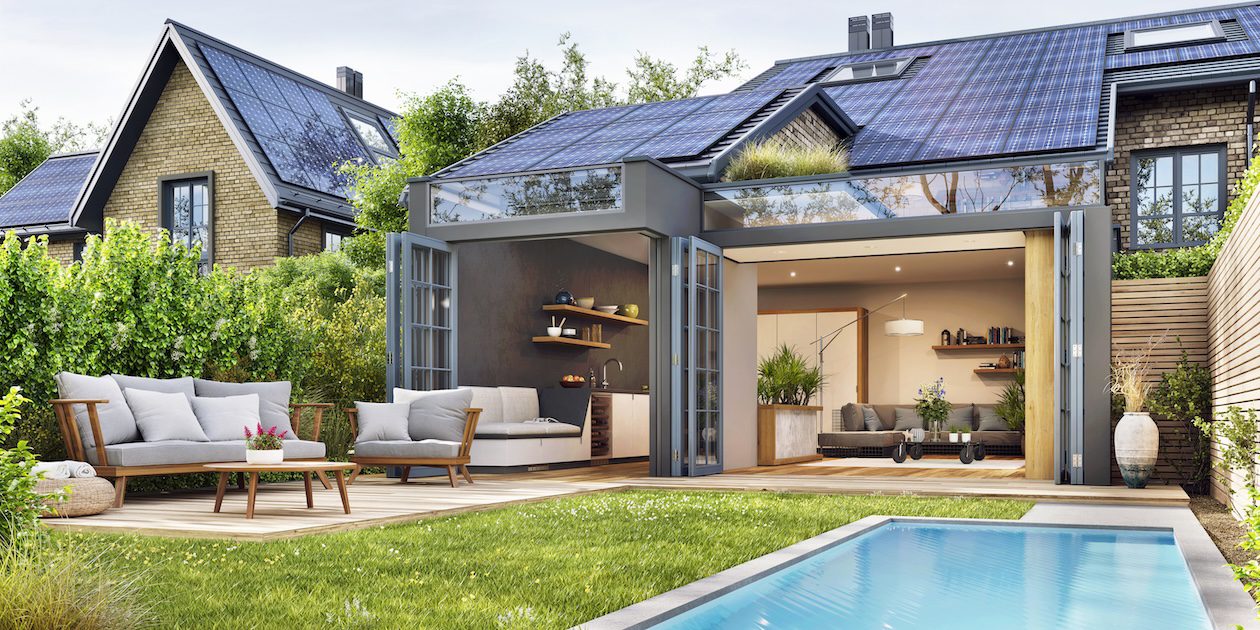
From California casual interiors and coastal interior design to indoor-outdoor living spaces with slide-away walls, WRF provides the expertise, furnishings, and personalized guidance needed to create a home that feels beautifully connected from every angle.
Frequently Asked Questions
What is the biggest challenge in open concept living room design?
The biggest challenge is creating distinct functional areas while maintaining a cohesive overall appearance. Furniture placement, scale, and sightlines all play an important role in making the space feel organized rather than disconnected.
How do you create a better living room layout in an open floor plan?
A successful living room layout uses furniture, rugs, lighting, and accessories to define spaces without creating physical barriers. The goal is to establish clear zones while maintaining flow throughout the room.
Why do California casual interiors work well in open-concept homes?
California casual interiors rely on natural materials, layered textures, comfortable furnishings, and cohesive color palettes. These elements help unify multiple spaces while maintaining the relaxed, indoor-outdoor lifestyle that defines many Southern California homes.

 Pursu Agency