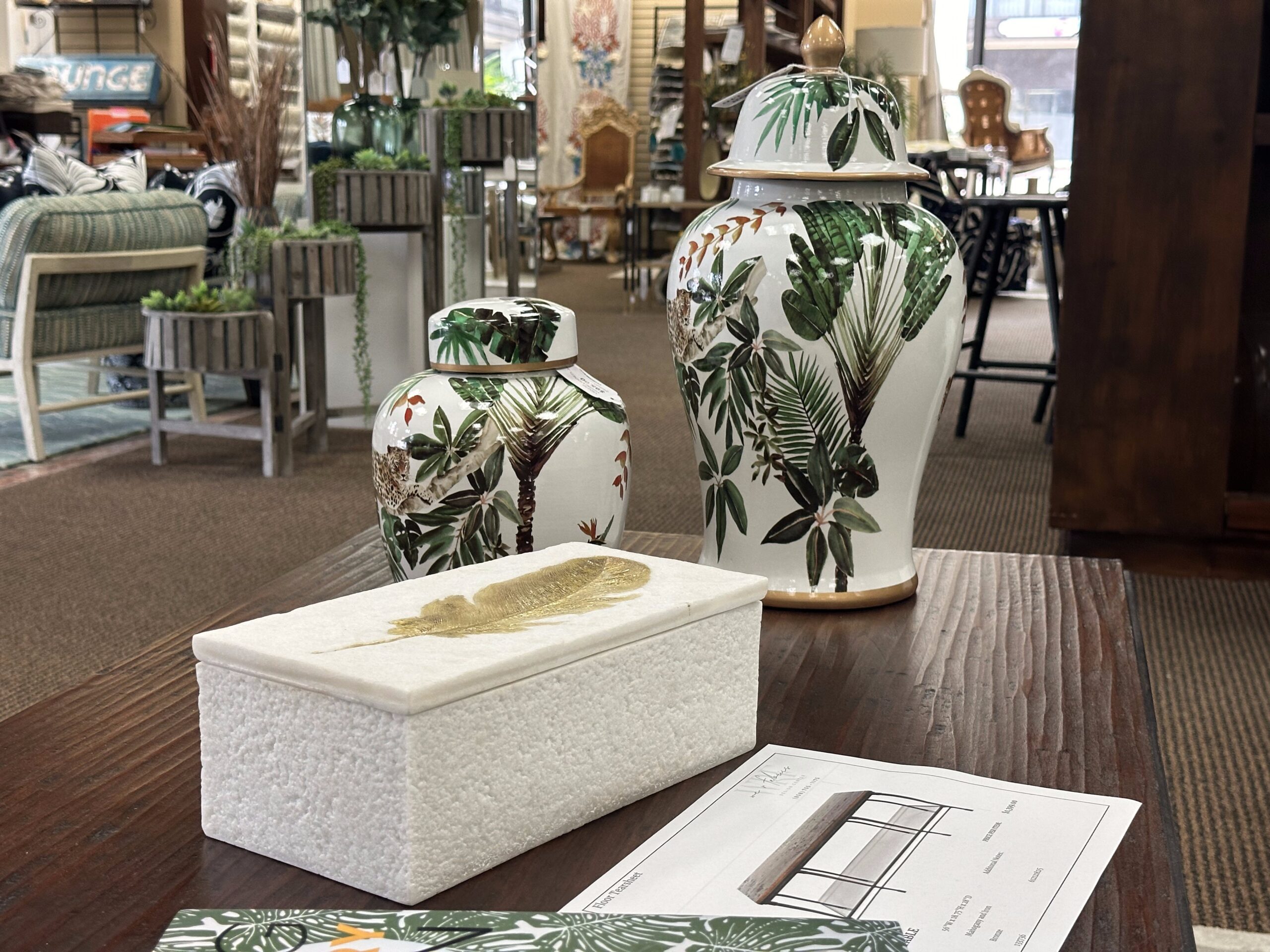
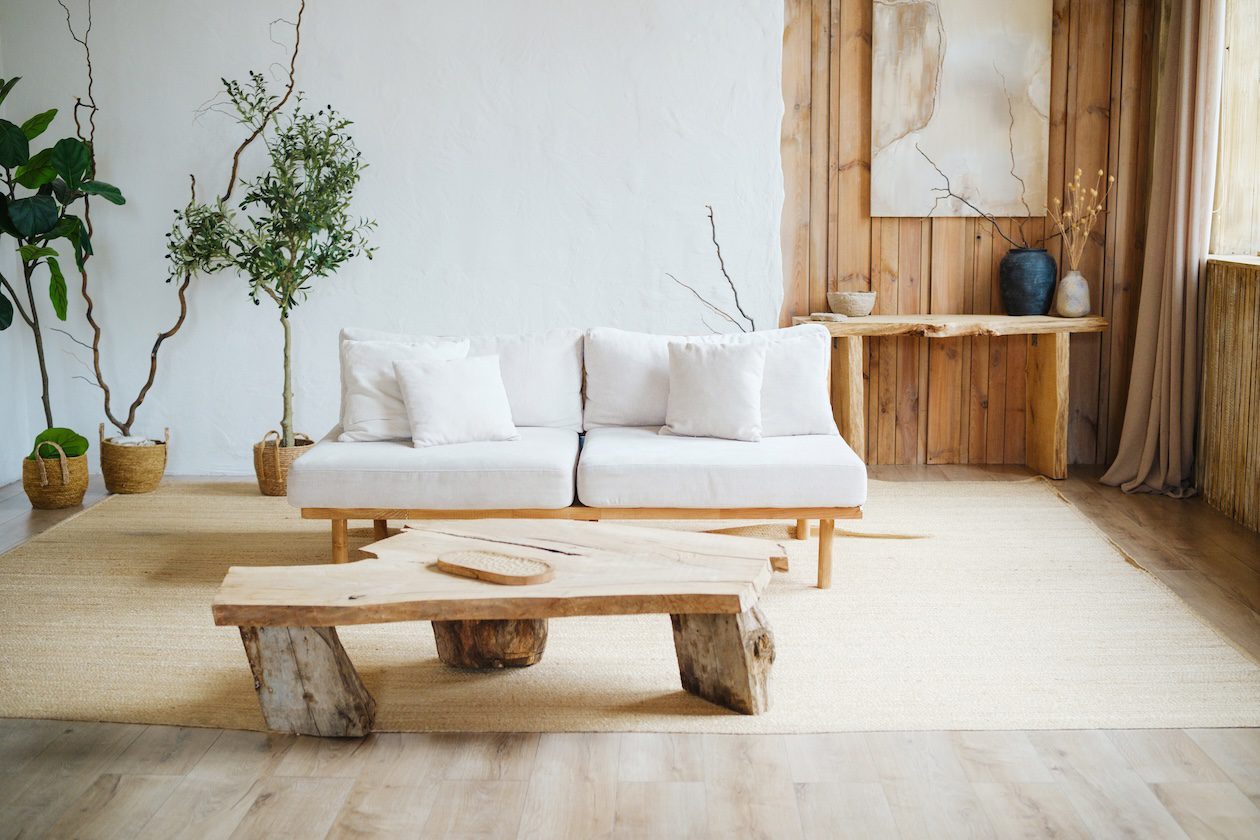
Everything in the room is “nice.”
The sofa is new. The rug is in place. The coffee table looks right.
But something still feels off.
The space doesn’t feel complete.
This is one of the most common frustrations homeowners face, especially in Southern California homes where clean lines and neutral palettes dominate.
The issue is rarely the big pieces. It is the missing layer that designers rely on to bring a space together.
That final 20 percent is what turns a room from functional into finished.
The Biggest Misconception: Furniture Equals Finished
Most homeowners stop once the major pieces are in place.
A typical setup includes:
- Sofa
- Rug
- Coffee table
At that point, the room looks put together, but it does not feel designed. This reflects a broader shift in how homeowners are prioritizing comfort and livability over purely visual design.
Designers approach this differently.
They treat those elements as the foundation, not the final result.
What comes next is what creates depth, comfort, and cohesion.
The Missing Layer: Softness and Material Balance
Most rooms are built around hard surfaces.
Floors, walls, tables, and architectural elements dominate the space.
Without balance, the room can feel rigid or unfinished.
What is missing is softness and variation.
That includes:
- Textiles
- Layered materials
- Subtle contrast
This is where a space begins to feel lived in rather than staged.
Where Most Homes Fall Short
Even well-designed rooms can feel incomplete when key elements are missing.
Not Enough Textiles
Bare seating areas are one of the biggest issues. The right fabric choices make a significant difference, especially in coastal environments where durability and texture both matter.
Without pillows, cushions, or layered fabrics, furniture can feel flat and under-scaled.
Flat Material Palette
Using too many similar finishes removes contrast.
When everything blends together, the room loses depth.
Scale Issues
Accessories are often too small for the furniture they are paired with.
Undersized pillows, minimal layering, and small decor pieces make the space feel disconnected. For a deeper look at how proportion affects coastal living rooms, see our guide to the scale mistakes that make coastal living rooms feel off.
Ignoring Windows
Windows are one of the most underutilized design elements.
Without drapery or soft treatments, the room can feel exposed and incomplete.
The Elements That Make a Room Feel Finished
The difference between “almost done” and complete comes down to a few key layers.
Pillows and Cushions
Pillows are one of the simplest ways to introduce texture and depth.
They also help balance the scale of larger furniture pieces, especially in neutral spaces.
Upholstery Choices
Fabric selection has a major impact on how a room feels.
Texture, weave, and material all influence whether a space feels soft and inviting or flat and unfinished.
Window Treatments
Drapery softens architectural lines and frames the room.
It also adds vertical texture, which is often missing in minimal spaces.
Rugs and Layering
Rugs anchor furniture and define the space. Choosing the right size and layering approach can completely change how finished a room feels.
Layering rugs or choosing textured materials adds another level of depth that ties everything together.
 Why This Matters More in San Diego Homes
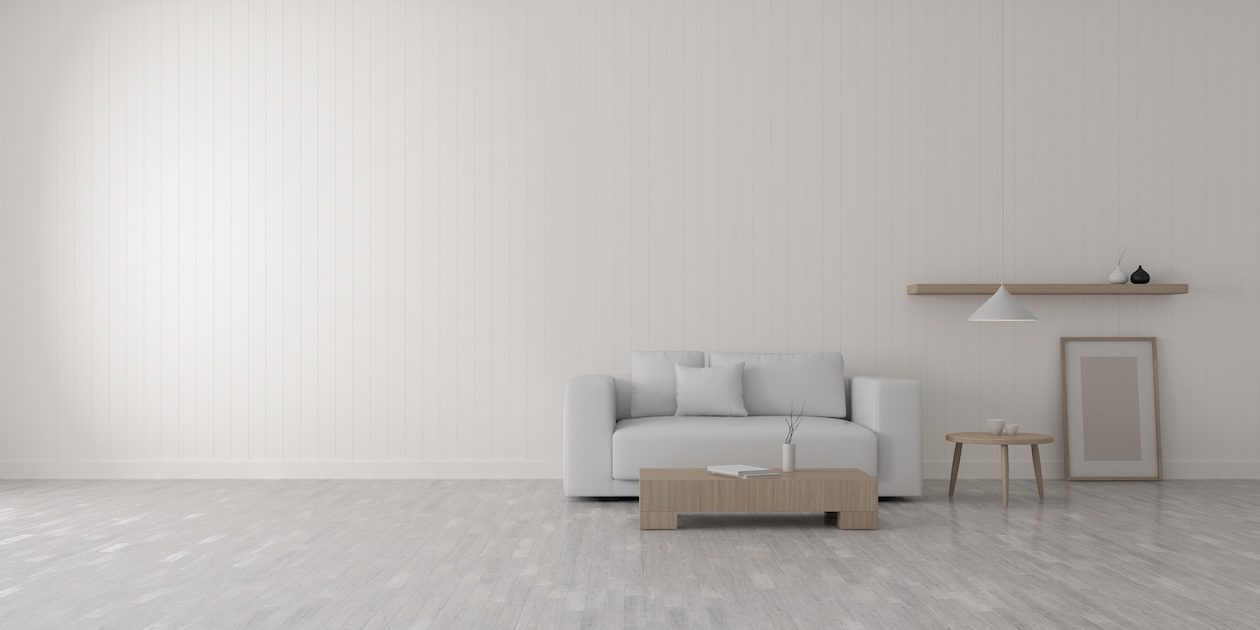 Why This Matters More in San Diego Homes
Southern California homes naturally highlight what is missing.
Abundant natural light makes every surface more visible, which means flat or under-layered spaces stand out quickly.
Indoor-outdoor layouts require continuity between materials, so unfinished interiors feel more disconnected.
And because many homes rely on neutral palettes, they depend heavily on layering to create warmth and dimension.
The Layer Most Homeowners Are Missing
This is where most spaces fall short.
It is not about adding more items. It is about adding the right materials in the right places.
That includes:
- Properly scaled pillows and cushions
- Fabric selections that introduce texture and variation
- Upholstery that elevates the overall look
- Window treatments that complete the space
These are the elements that take a room from basic to intentional.
How to Fix an Unfinished Room
You do not need to start over to make a space feel complete.
Small, targeted changes can make a significant difference:
- Add two to three pillows per seating area
- Introduce at least two distinct textures
- Upgrade one key fabric element such as a sofa, cushions, or drapery
- Reevaluate scale and proportion across the room
These adjustments create immediate visual and functional impact.
Bringing the Final Layer Into Focus
The difference between a room that looks fine and one that feels finished comes down to layering.
But achieving that balance requires more than adding accessories. It requires selecting the right materials, understanding scale, and creating cohesion across the entire space.
WRF Design Center specializes in that final layer. Through custom upholstery, tailored pillows and cushions, curated fabric selections, and window treatments designed for coastal homes, WRF helps bring spaces to completion.
When those elements are done right, the room no longer feels like a collection of pieces. It feels intentional, comfortable, and fully realized.
Frequently Asked Questions
Why does my home not feel finished even with furniture?
A home often feels unfinished when it lacks layering. While furniture creates the foundation, elements like textiles, window treatments, and material contrast are what add depth, warmth, and cohesion to the space.
What are the most important finishing touches in interior design?
The most important finishing touches include pillows, upholstery, rugs, window treatments, and lighting. These elements introduce texture, balance, and scale, helping a room feel complete rather than empty or flat.
How can I make my neutral home feel more complete?
To make a neutral home feel finished, focus on layering textures instead of adding color. Incorporate soft textiles, vary materials, adjust scale, and add thoughtful design elements like drapery and lighting to create depth and visual interest.
How does lighting affect whether a home feels finished?
Lighting plays a critical role in how complete a space feels. Without proper lighting, textures and materials can fall flat, even in a well-designed room. Layering natural light, ambient lighting, and elements like floor lamps or accent lighting helps highlight depth, soften walls, and create a more cohesive, finished look.

 Pursu Agency