Key Points
- High-end rooms rely on thoughtful material combinations, not simply expensive furniture and finishes.
- Contrasting textures, natural variation, and repeated materials create depth and cohesion.
- Quality upholstery, craftsmanship, and careful attention to natural light help create a polished result.
What makes a room look expensive? It’s a question many homeowners ask when trying to create a more sophisticated interior. The answer, however, rarely comes down to purchasing the most expensive furniture, choosing rare stone, or filling a home with luxury finishes.
Some rooms feature beautiful individual pieces yet still feel disconnected or unfinished. Others achieve an unmistakably high-end appearance through relatively simple materials that have been thoughtfully combined. The difference is often in the material selection.
Professional interior designers consider more than how a particular fabric, wood finish, or stone surface looks on its own. They evaluate how materials interact, how textures create contrast, how finishes respond to natural light, and how individual selections contribute to the overall atmosphere.
This approach is particularly relevant to Southern California homes, where California casual interior design emphasizes natural materials, comfortable furnishings, and relaxed sophistication.
Understanding these seven material decisions can help homeowners create interiors that feel elevated, cohesive, and intentionally designed.
How to Make a Room Look High-End Without a Huge Budget
A marble coffee table, walnut cabinetry, and premium upholstered furniture might all be beautiful investments. However, combining expensive pieces doesn’t guarantee a sophisticated result.
Every material contributes something different to a room. Wood introduces warmth, stone provides visual weight, and textiles soften hard surfaces. When these characteristics complement one another, the interior feels balanced.
A heavily veined marble surface paired with dramatically figured wood and bold fabric patterns, for example, may create too much visual activity. Designers often achieve a more refined result by establishing a cohesive material palette and allowing certain finishes to take the lead.
1. Choose Materials With Natural Variation
One characteristic that often distinguishes upscale home materials is their visual depth. Natural materials contain subtle differences in color, texture, grain, and movement that give surfaces character.
Natural variation introduces visual depth without requiring additional decoration. Genuine wood, for example, features subtle grain differences that can create a more nuanced appearance than surfaces with repetitive printed patterns.
Several materials are especially effective at introducing depth:
- White oak: Offers visible grain and a versatile appearance that works with contemporary and coastal interiors.
- Walnut: Introduces deeper brown tones and distinctive grain patterns.
- Limestone: Provides relatively subtle movement and a softer visual character than many highly polished stones.
- Travertine: Features natural variation, including characteristic pores and banding.
- Marble: Offers distinctive veining and color variation, with appearance depending on the particular stone.
- Linen and wool: Introduce textile texture and natural-looking irregularity.
These materials don’t all belong in the same room. Designers select combinations based on the architecture, desired atmosphere, and practical requirements. Natural materials also have different maintenance needs. For instance, many natural stones benefit from sealing and require appropriate cleaning products, while certain natural fabrics may need more consideration in high-use spaces.
The best luxury materials for interiors balance appearance with suitability for everyday living. For more guidance, explore WRF’s guide to luxury materials that work best in California casual homes to see how different finishes contribute to a sophisticated yet comfortable interior.
2. Layer Contrasting Textures
Texture is one of the most effective ways to make an interior feel sophisticated without introducing additional colors.
Contrasting textures give individual materials greater visual impact. A smooth stone coffee table feels striking beside a textured linen sofa, while a woven chair gains definition against polished wood flooring.
This approach is especially effective in neutral interiors. Combining nubby upholstery, natural wood grain, woven textiles, and smooth stone creates dimension without introducing additional colors. The result feels layered and sophisticated while maintaining the understated appearance associated with coastal design.
For a deeper look at creating dimension in neutral spaces, explore WRF’s guide to how to layer textures to make neutral rooms feel rich.
3. Mix Furniture Materials Instead of Matching Everything
Matching furniture collections can simplify purchasing decisions, but they don’t always create the most interesting interiors.
Matching furniture sets can make a room feel overly coordinated. Designers instead combine materials with complementary undertones, textures, and finishes to create a more collected appearance.
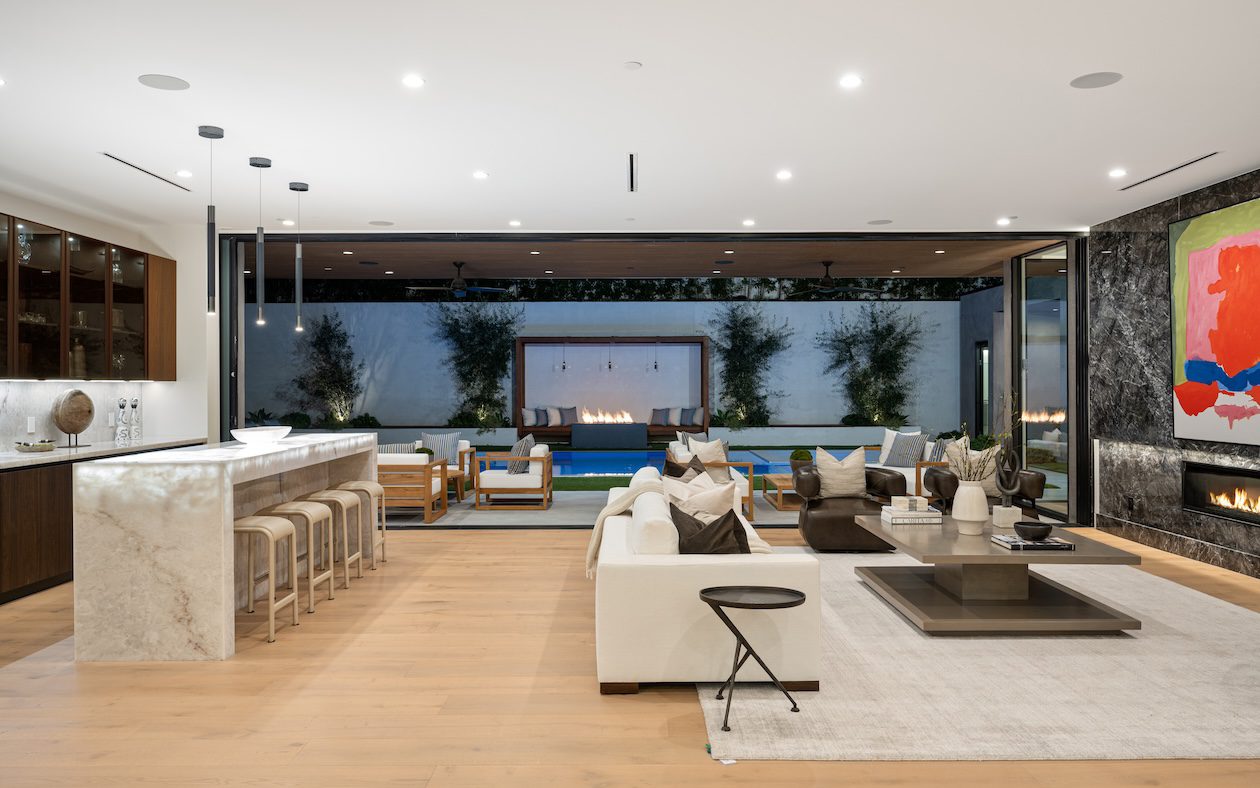
Consider a living room with medium-toned oak flooring, a walnut side table, a limestone coffee table, and neutral upholstered seating. The pieces differ in texture and finish but share a cohesive visual direction. Darker walnut also introduces contrast against lighter oak without making the room feel disconnected.
The key is establishing a relationship between finishes rather than expecting them to match perfectly. As illustrated in Architectural Digest’s guide to blending decorating styles, combining complementary textures, furnishings, and finishes can help create an interior that feels balanced rather than overly matched.
4. Use Fewer Materials for a More Luxurious Home Look
One of the most overlooked principles of high-end interior design is material restraint. More variety doesn’t automatically create a more luxurious interior.
Too many unrelated finishes can compete for attention. A room with five wood tones, three stones, and several metal finishes may feel visually overwhelming, even when each material is attractive.
Designers often establish a dominant wood family, primary stone, complementary metal finish, and coordinated textiles. This restraint allows details such as wood grain, woven texture, and natural stone movement to stand out.
It also helps homeowners invest strategically in materials that contribute most to the room’s appearance and function.
5. Pay Attention to Upholstery Quality
Upholstery plays an enormous role in how a room looks and feels. Sofas, lounge chairs, dining chairs, and upholstered benches frequently occupy substantial visual space. Their fabric, construction, and tailoring influence the entire interior.
Beautifully textured upholstery can elevate simple furniture, while poorly chosen fabric can undermine an otherwise sophisticated interior. Designers consider weave, texture, color variation, and how the fabric complements surrounding materials.
Quality also depends on craftsmanship. Seam placement, cushion proportions, fabric tension, and supportive inserts all influence a furniture piece’s appearance, comfort, and ability to maintain its intended shape.
Performance and Luxury Can Coexist
High-end furniture doesn’t need to be delicate or impractical. Modern performance fabrics include options engineered for stain resistance, UV resistance, or abrasion resistance, although these properties vary by product and should be verified through manufacturer specifications.
For homes with children, pets, or frequent entertaining, selecting an appropriate fabric can be just as important as choosing an attractive one. In sunny Southern California interiors, light exposure is another important consideration. WRF’s upholstery and fabric resources offer additional guidance on choosing textiles that balance comfort, durability, and design.
6. Repeat Materials to Create a Cohesive Home Look
One reason professionally designed rooms feel cohesive is that materials often appear more than once. This repetition creates visual connections between separate pieces.
Repeating materials creates visual connections between furnishings. A walnut console table might relate to a similarly toned chair frame, while bronze hardware can complement a lighting fixture or table base.
These finishes don’t need to match exactly. Shared undertones, textures, or color families create cohesion while allowing individual pieces to retain their character. This approach also makes it easier to introduce new furniture without disrupting the existing design.
7. Consider How Materials Look in Natural Light
Materials rarely look exactly the same under every lighting condition. A fabric that appears warm beige in a showroom may look gray in a north-facing room. Wood finishes can appear more golden under warm lighting, while polished surfaces may reflect strong sunlight.
Natural light influences how people perceive color, sheen, and texture. Directional sunlight highlights wood grain, upholstery weaves, and stone surfaces while revealing undertones that may not be obvious under artificial lighting.
This is particularly important in Southern California homes with large windows and indoor-outdoor connections. Morning and afternoon light can change how finishes appear, while strong sunlight may cause glare or contribute to fading.
Testing material samples in the intended room helps homeowners evaluate appearance and performance before making final selections.
How Quality Furniture and Craftsmanship Elevate a Room
Selecting beautiful materials is only part of creating a high-end room. How those materials are constructed and finished can be equally important.
Premium upholstery fabric won’t necessarily look luxurious if the seams are uneven or cushions fit poorly. Similarly, expensive wood veneer or natural stone can lose its appeal when edges, transitions, and adjoining surfaces are poorly executed.
Material price alone isn’t a reliable indicator of finished quality.
Small Details Affect the Finished Result
Designers pay attention to details that homeowners may not immediately notice individually:
- Consistent seams and carefully aligned fabric patterns
- Appropriate cushion proportions and supportive construction
- Clean furniture edges and well-executed joinery
- Hardware that complements the surrounding finishes
- Thoughtful transitions between adjoining materials
- Upholstery that follows the furniture’s intended shape
Craftsmanship becomes particularly noticeable in simpler interiors. When a room uses a restrained material palette, there are fewer competing elements to distract from the quality of each piece.
How California Casual Interiors Create Relaxed Luxury
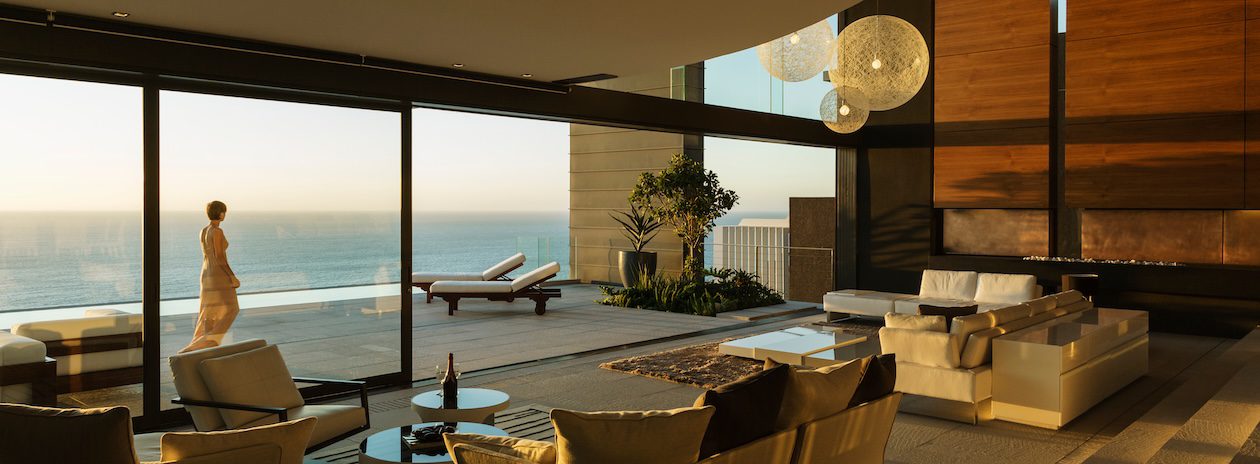
California casual interior design demonstrates how sophisticated materials can create a welcoming atmosphere without making a home feel formal.
Natural Materials Keep Sophisticated Rooms Approachable
Rather than relying on highly polished surfaces throughout, California casual interiors often incorporate visible wood grain, natural-looking textiles, stone, and woven details. These materials create an approachable character while still supporting an upscale aesthetic.
A substantial wood dining table, comfortable upholstered chairs, and subtle stone accents can feel luxurious without appearing overly elaborate. Darker finishes can also work beautifully within this style. WRF’s guide to Dark Wood Coastal Interiors explores how deeper wood tones can introduce warmth and contrast without sacrificing a relaxed coastal atmosphere.
Texture Creates Warmth Without Visual Clutter
California casual interiors often use relatively restrained color palettes. Their warmth comes from layering materials rather than relying on numerous decorative elements. Linen upholstery, woven accents, wood furniture, and natural stone can create enough contrast to make a neutral room feel complete. The result is sophisticated without feeling visually busy.
Informality and Quality Can Exist Together
Relaxed design doesn’t mean compromising on materials or craftsmanship. Comfortable seating can feature carefully tailored upholstery. A casual wood table can demonstrate beautiful joinery. Practical performance textiles can complement natural stone and custom furniture. This balance between comfort and quality is central to California casual design.
How Designers Build a Material Palette
Understanding individual materials is useful, but creating a cohesive interior requires evaluating them together. Professional designers typically develop material relationships before finalizing every furniture and finish selection.
Start With the Architecture and Permanent Finishes
Flooring, cabinetry, built-in features, and existing stone surfaces establish the foundation. These elements are generally more difficult and expensive to change than furniture or accessories, so they deserve early consideration.
Establish Dominant Materials
Next, identify the materials that will have the strongest visual presence. In a living room, that might include wood flooring, a large upholstered sofa, and a stone fireplace. These dominant surfaces help determine the direction of the remaining palette.
Add Contrast and Texture
Once the primary materials are established, introduce complementary finishes. A room dominated by smooth surfaces may benefit from woven upholstery or textured textiles. A space with substantial woodwork might need stone, metal, or fabric to create contrast. The objective is balance, not simply adding more materials.
Repeat Key Materials Throughout the Room
Look for opportunities to create connections between pieces. A wood undertone, textile texture, or metal finish can appear in several locations without being duplicated exactly. These repetitions make the material palette feel intentional.
Edit Before Adding Something New
Before introducing another finish, consider whether the existing palette already provides enough variety. Ask whether the new material contributes meaningful contrast, supports an established finish, or solves a functional need. If it does none of those things, it may be unnecessary. This editing process is one of the most valuable distinctions between simply choosing attractive products and developing a cohesive interior design.
Create a More Refined Interior With WRF Design Center
A high-end room isn’t defined by the number of expensive materials it contains. Its sophistication comes from how those materials work together. Natural variation creates character. Contrasting textures introduce depth. Repetition builds cohesion, while quality upholstery and thoughtful craftsmanship give the finished interior a more polished appearance.
For homeowners exploring luxury interior design in San Diego, Solana Beach, and surrounding Southern California communities, WRF Design Center offers resources and design solutions that help bring these elements together. From furniture and custom upholstery to cushions, pillows, fabrics, and other personalized interior details, WRF helps homeowners make material selections that support both the appearance and function of their spaces.
Whether you’re refining a California casual living room or developing a more comprehensive interior design plan, explore WRF Design Center’s products and services to discover ways to create a home that feels sophisticated, comfortable, and distinctly yours.
Frequently Asked Questions About High-End Interior Materials
What Materials Make a Room Look More Expensive?
Natural wood, stone, linen, wool, and high-quality upholstery can contribute to an upscale appearance. However, the most important factor is how those materials work together. A cohesive palette with complementary textures, undertones, and finishes often looks more sophisticated than an assortment of expensive materials selected independently.
Can You Make a Room Look High-End Without Using Expensive Materials?
Yes. Thoughtful material selection can make a significant difference without requiring luxury finishes everywhere. Focus on complementary textures, consistent undertones, appropriate proportions, and well-made furnishings. Repeating a limited selection of materials can also create a more cohesive appearance, even when individual products are relatively affordable.
What Is the Difference Between Luxury Interior Design and California Casual Design?
Luxury interior design emphasizes qualities such as craftsmanship, material quality, proportion, and thoughtful detailing. California casual design is an aesthetic that typically favors relaxed furnishings, natural materials, layered textures, and an approachable atmosphere. The two can work together beautifully, creating interiors that feel sophisticated without becoming overly formal.

 Pursu Agency